
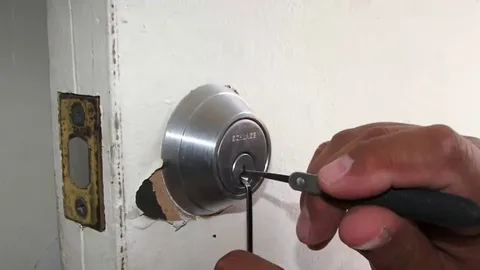
A door lock can develop problems long before it stops working completely. A key may become harder to turn, the lock may feel loose, or the door may need extra pressure before it closes properly. Knowing when to arrange door lock repair can help prevent a small problem from becoming an emergency.
Not every difficult lock needs to be replaced. In some cases, adjusting the door, repairing a component, or fixing the surrounding hardware may solve the issue.
1. The Key Is Difficult to Turn
A key should normally move through the lock without excessive force.
If you suddenly need to push, pull, or twist the key harder than usual, something may be wrong.
The problem could involve the lock mechanism, the key itself, or door alignment.
Do not keep forcing the key because it could bend or break inside the lock.
2. The Lock Feels Loose
A lock that moves when you operate it should be inspected.
Loose screws or mounting hardware can affect how the lock sits on the door.
Over time, continued movement may make the problem worse.
Check the visible hardware around the lock and handle. If the components remain loose after basic tightening, professional inspection may be appropriate.
3. The Door Needs Extra Pressure
Sometimes the lock is working correctly but the door is no longer aligned properly.
You may need to push or pull the door before the latch enters the strike plate.
This can happen because of changes in the hinges, frame, or door position.
Fixing the alignment may resolve the locking problem without replacing the entire mechanism.
4. The Key Gets Stuck
A key that repeatedly becomes difficult to remove should not be ignored.
The issue may be caused by wear inside the cylinder or by a damaged key.
Try using a known-good spare key if one is available.
If the same problem occurs with different keys, the lock itself may need attention.
5. The Lock Makes Unusual Sounds
Grinding, clicking, or scraping sounds can indicate that internal components are not moving normally.
One unusual sound does not automatically mean the lock has failed.
However, repeated noise should be investigated, particularly if the lock is becoming harder to operate at the same time.
Early attention may prevent complete failure.
6. The Lock Does Not Fully Engage
A lock should engage securely when the door is closed.
If the bolt only moves partially or does not extend correctly, the door may not be secured as intended.
Check whether the problem occurs only when the door is closed.
If the mechanism works normally while the door is open, alignment may be contributing to the issue.
7. The Lock Has Visible Damage
Physical damage is another reason to arrange an inspection.
Look for cracks, bent components, damaged cylinders, loose handles, or signs that the lock has been forced.
A damaged lock may continue working temporarily, but its condition can change quickly.
If the entrance has been damaged, avoid relying on a temporary fix to secure the property.
8. Your Door Has an Aluminium Frame
Aluminium doors can use specific locking hardware designed for their frame and door configuration.
If the existing lock needs replacement or repair, the replacement component should be compatible with the door.
A general-purpose lock may not fit correctly.
If you are considering an upgrade, you can review suitable aluminium door lock solutions based on the type of door and locking system.
Compatibility is important because the lock needs to work correctly with the surrounding hardware.
9. The Lock Keeps Failing
A lock that repeatedly develops the same problem deserves closer attention.
Replacing one small component may solve the immediate issue, but repeated failures can indicate wear elsewhere in the mechanism or a problem with the door itself.
Instead of repeatedly making temporary repairs, have the complete locking system checked.
Repair or Replace?
Not every faulty lock needs complete replacement.
Repair may be suitable when the main mechanism remains in good condition and the problem involves a replaceable or adjustable component.
Replacement may make more sense when the lock is badly worn, physically damaged, outdated, or repeatedly failing.
The condition of the door and frame should also be considered.
A new lock will not solve an underlying alignment or structural problem.
What Should You Check Before Calling a Locksmith?
Before requesting professional assistance, note what the lock is doing.
For example, tell the technician whether:
-
The key turns but the bolt does not move
-
The key will not turn
-
The door only locks when pushed
-
The lock feels loose
-
The handle is damaged
-
The problem occurs with every key
These details can make it easier to understand the likely source of the issue.
Avoid Forcing a Faulty Lock
When a lock becomes difficult to operate, forcing it can cause additional damage.
A key can break inside the cylinder, the handle can become damaged, or the door hardware can be affected.
If normal operation is no longer possible, stop applying excessive pressure and arrange appropriate assistance.
Regular Lock Maintenance
Regular checks can help identify problems before they become urgent.
Test important doors periodically and pay attention to changes in how the key, handle, latch, and deadbolt operate.
Also inspect the surrounding door hardware.
Small changes are easier to address before the lock stops working completely.
Final Thoughts
A difficult key, loose lock, unusual noise, poor alignment, or incomplete locking can all indicate that a door needs attention.
The right solution depends on the actual cause. Sometimes adjustment or repair is enough, while heavily worn or damaged hardware may need replacement.
If you are dealing with door lock repair, identify the symptoms first and avoid forcing the mechanism. For aluminium doors, make sure any replacement hardware is compatible with the existing system.
Early inspection can help keep everyday doors working properly and reduce the chance of an unexpected lock problem.

 Arabic
 French
 Spanish
 Portuguese
 Deutsch
 Turkish
 Dutch
Dutch
 Italiano
 Russian
 Romaian
 Portuguese (Brazil)