
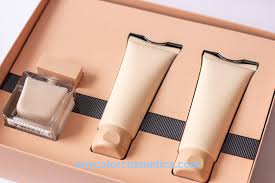
Launching a makeup product involves much more than choosing a color and placing a logo on a package. A brand needs to consider the formula, product format, shade selection, packaging, production process, quality requirements, and the intended market. This is one reason makeup OEM&ODM has become an important production approach for companies that want to build a distinctive cosmetic range without managing every manufacturing stage internally. For businesses exploring this model, Anycolorcosmetics provides a useful starting point for understanding how customized makeup production can be organized around different product ideas and brand requirements.
A new cosmetic concept usually begins with a product idea rather than a finished formula. A brand may have a particular foundation texture in mind, want a soft blush with a certain finish, or need a lip product that matches an existing visual identity. Turning that concept into a manufacturable item requires communication between the brand and the production team. Information about the target market, desired appearance, packaging direction, shade expectations, and application experience can all influence the development process.
This collaborative stage is especially important for private label businesses. Instead of treating every cosmetic product as an isolated item, a manufacturer can help connect different elements of a product range. Eyeshadow, blush, contour, highlighter, lip gloss, lipstick, mascara, eyeliner, concealer, and makeup kits can serve different roles within the same brand portfolio. Zhejiang NiFei Cosmetic Co., Ltd. states that it produces these categories for private labels and customized products.
Formula development is another area where product planning becomes specific. Texture can influence how a cosmetic spreads, settles, layers, and feels during application. A lightweight foundation, for example, may be selected for customers who prefer a comfortable complexion product, while a cream blush may require a different balance of softness, color visibility, and blendability. These details are not simply cosmetic descriptions. They affect how a finished product fits into the brand's intended use scenario.
Packaging also deserves attention during the development process. The container, applicator, closure, color treatment, label design, and outer box all contribute to the way a cosmetic product is presented. A product intended for everyday use may require a different packaging concept from one positioned around travel, professional makeup, or gift sets. When packaging discussions take place alongside formula and product development, brands can coordinate the physical presentation with the product concept rather than treating packaging as a final afterthought.
Production management is another practical consideration. According to the company information published by NiFei, its manufacturing process includes raw material inspection, mixing, color checking, filling, assembly, and final packing. The company also states that it operates according to GMPC and ISO22716 standards and has dedicated purification workshop facilities. For buyers, understanding these stages can make supplier communication easier because product quality is connected to a sequence of controlled manufacturing activities rather than a single inspection at the end.
Shade development can also require careful communication. Color expectations may vary according to lighting conditions, reference samples, skin tones, packaging materials, and the visual identity of the brand. A written description alone may not always communicate the intended result clearly. Samples, reference colors, and feedback during development can therefore become useful parts of the process. This approach gives both sides an opportunity to identify adjustments before larger production arrangements are finalized.
Market positioning can influence the product selection as well. Some brands may begin with a small group of complexion products, while others may focus on lip color or eye makeup. A manufacturer with a broad category range can provide different directions for expanding a collection. NiFei's published product categories include eyeshadow, contour, blusher, highlighter, makeup kits, lip products, eyebrow and eyeliner products, mascara, foundation, concealer, and hair filling powder.
For brands comparing manufacturers, communication should remain practical. Questions about available product categories, customization possibilities, packaging requirements, sample procedures, production arrangements, and quality controls can help establish whether a supplier matches the project's needs. Clear specifications at the beginning can also reduce misunderstandings later in development.
A finished product should reflect a coherent relationship between formula, shade, packaging, application experience, and brand identity. That relationship is difficult to create when each component is developed without considering the others. A coordinated manufacturing discussion allows the brand to explain its concept while the supplier evaluates how the concept can be translated into a production-ready cosmetic.
For example, complexion products can involve different priorities depending on the intended customer group. NiFei's Cosmetics Liquid Control HD Mattifying Foundation is described as having a lightweight formula and a mattifying finish, with ingredients including niacinamide, hyaluronic acid, and plant collagen. Such a product can also serve as a useful reference when discussing the relationship between texture, finish, ingredient direction, and intended application.
For a beauty business preparing a new collection, the manufacturing conversation can therefore begin with the product concept and gradually move toward formulation, packaging, sampling, production, and delivery requirements. Brands interested in exploring these possibilities can review the Cosmetics Liquid Control HD Mattifying Foundation at https://www.anycolorcosmetics.com/ while discussing how a makeup OEM&ODM project could fit their own product plans with Anycolorcosmetics.

 Arabic
 French
 Spanish
 Portuguese
 Deutsch
 Turkish
 Dutch
Dutch
 Italiano
 Russian
 Romaian
 Portuguese (Brazil)