
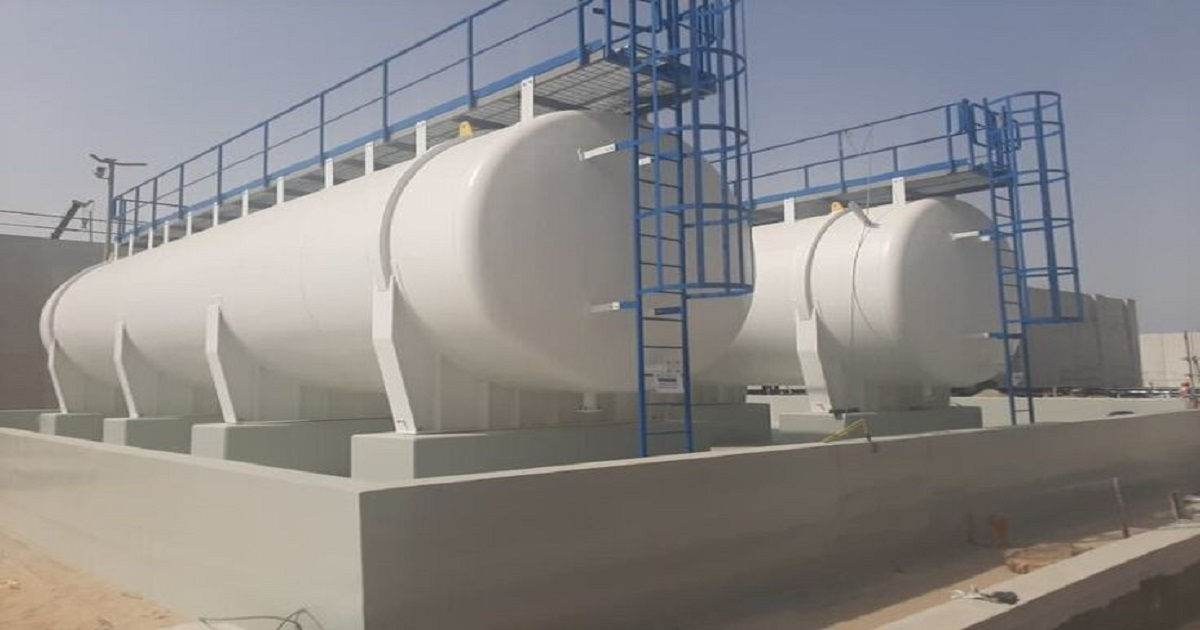
Picture this: it's a scorching June afternoon in Lahore, the water motor kicks on, and... nothing comes out. Your tank has been leaking for weeks and you didn't even notice until it ran dry. Sound familiar? For millions of homeowners across Pakistan, choosing the right storage tank in Pakistan isn't just a household decision — it's a matter of daily survival, especially as water scarcity and erratic supply schedules become the new normal.
As we head into 2027, the debate between plastic and steel Storage Tank in Pakistan has never been more relevant. With rising construction costs, unpredictable weather patterns, and growing awareness around water quality, Pakistani households and businesses need to make smarter, more informed choices. This article breaks down everything you need to know — no jargon, no fluff — just practical guidance to help you pick the right water tank for your home, office, or industrial setup.
Why Water Tank Selection Matters More Than Ever in Pakistan
Water shortages, load-shedding-driven pump schedules, and inconsistent municipal supply have made home water reservoirs a necessity rather than a luxury. Whether you live in Karachi's coastal humidity, Islamabad's temperature swings, or Multan's blistering summers, your water reservoir choice directly affects water safety, durability, and long-term cost.
Choosing between plastic and metal water containers isn't a one-size-fits-all decision. It depends on your budget, climate, rooftop space, and how long you plan to use the unit before replacement.
Plastic Water Tanks: Lightweight and Budget-Friendly
Advantages of Plastic Tanks
Plastic (usually polyethylene) water containers dominate the residential market in Pakistan, and for good reason:
-
Affordability: They're significantly cheaper upfront than metal alternatives, making them popular for middle-income households.
-
Easy Installation: Lightweight design means no heavy machinery or extensive labor is needed to install them on rooftops.
-
Corrosion Resistance: Unlike metal, plastic doesn't rust, which is a major plus in humid coastal cities like Karachi.
-
Variety of Sizes: From 200-gallon units for small apartments to 2000-gallon tanks for larger homes, plastic options are highly flexible.
Drawbacks Worth Considering
However, plastic isn't without its downsides. Prolonged sun exposure — something Pakistan has no shortage of — can degrade lower-quality plastic over time, causing brittleness and cracking within 5-8 years. Cheaper, non-UV-stabilized tanks may also leach chemicals into water when exposed to extreme heat for years, a genuine concern for family health.
Steel Water Tanks: Built for Durability
Why Steel Still Holds Ground
Stainless steel and galvanized iron reservoirs have long been favored in industrial and commercial settings, and they're gaining traction in high-end residential construction too.
-
Longevity: A well-maintained steel unit can easily outlast plastic by 15-20 years.
-
Structural Strength: Steel tanks handle extreme weather, heavy usage, and mechanical stress better than plastic.
-
Better for Large-Scale Storage: Factories, hospitals, and housing societies often prefer steel for bulk water reservoirs due to their robustness.
The Trade-Offs
The main deterrent is cost — steel tanks can be 40-60% more expensive than comparable plastic units. Additionally, without proper galvanization or stainless-grade material, steel can rust over time, especially in humid or coastal regions, potentially affecting water taste and cleanliness.
How Climate in Pakistan Affects Your Choice
Pakistan's diverse climate zones play a huge role in tank longevity. In Sindh and southern Punjab, where summer temperatures regularly cross 45°C, UV-resistant plastic or insulated steel tanks are recommended to prevent water heating and material degradation. In northern regions like Murree or Gilgit-Baltistan, where temperatures dip significantly, steel water reservoirs handle freeze-thaw cycles better than standard plastic.
Practical Tip: Match Your Tank to Your Region
If you're in a coastal or humid area, prioritize marine-grade stainless steel or high-density polyethylene (HDPE) plastic. For northern, colder climates, insulated steel tanks reduce the risk of cracking during winter.
Key Insights and Practical Tips for 2027 Buyers
-
Check the Certification: Always look for tanks that meet food-grade safety standards to avoid water contamination.
-
Consider Capacity Needs: A family of five typically needs at least 1000-1500 gallons of water storage capacity.
-
Factor in Maintenance: Plastic tanks require occasional cleaning to prevent algae buildup, while steel units need periodic rust inspection.
-
Think Long-Term ROI: While steel costs more initially, its extended lifespan can make it more economical over 15-20 years.
-
Get Professional Installation: Poorly installed water reservoirs — regardless of material — can lead to leaks, contamination, or structural damage to your rooftop.
At Alpine Industrial Con, we've seen firsthand how the right water tank installation can save households thousands of rupees in repairs and replacements. Our team specializes in helping clients across Pakistan select and install the most suitable water storage solution based on their specific location, budget, and usage requirements.
Making the Right Choice for Your Property
There's no universal winner in the plastic vs steel debate — it genuinely depends on your circumstances. If you're a homeowner looking for an affordable, easy-to-install solution, a quality plastic water container remains a solid choice.
Whichever direction you lean, working with an experienced provider ensures you get quality materials, correct sizing, and professional installation — all of which extend the life of your investment.
As Pakistan moves into 2027, water security remains a pressing concern for households and businesses alike. Choosing the right storage tank in Pakistan isn't just about upfront cost — it's about long-term reliability, water safety, and peace of mind. Whether you opt for the affordability of plastic or the durability of steel, make your decision based on your climate, budget, and usage needs. And when in doubt, consulting professionals like Alpine Industrial Con can help you avoid costly mistakes and ensure your water supply stays secure for years to come.
FAQs
Q1: Which is better for homes in Pakistan — plastic or steel water tanks?
For most residential properties, plastic tanks offer a good balance of affordability and functionality. However, if you want a long-term investment with minimal replacement needs, steel is worth the extra cost.
Q2: How long does a plastic water reservoir typically last in Pakistan's climate?
With proper UV protection, a quality plastic tank can last 8-12 years, though cheaper models may degrade faster under intense sun exposure.
Q3: Do steel water tanks rust in humid areas like Karachi?
Yes, if not properly galvanized or coated, steel tanks can rust in humid coastal climates. Choosing marine-grade or stainless steel significantly reduces this risk.
Q4: What size water tank do I need for a family of five?
Generally, 1000-1500 gallons of storage capacity is sufficient for a household of five, depending on daily usage patterns.
Q5: Can Alpine Industrial Con help with both plastic and steel tank installation?
Yes, our team provides consultation, supply, and professional installation services for both plastic and steel water storage solutions, tailored to your specific location and needs across Pakistan.

 Arabic
 French
 Spanish
 Portuguese
 Deutsch
 Turkish
 Dutch
Dutch
 Italiano
 Russian
 Romaian
 Portuguese (Brazil)