
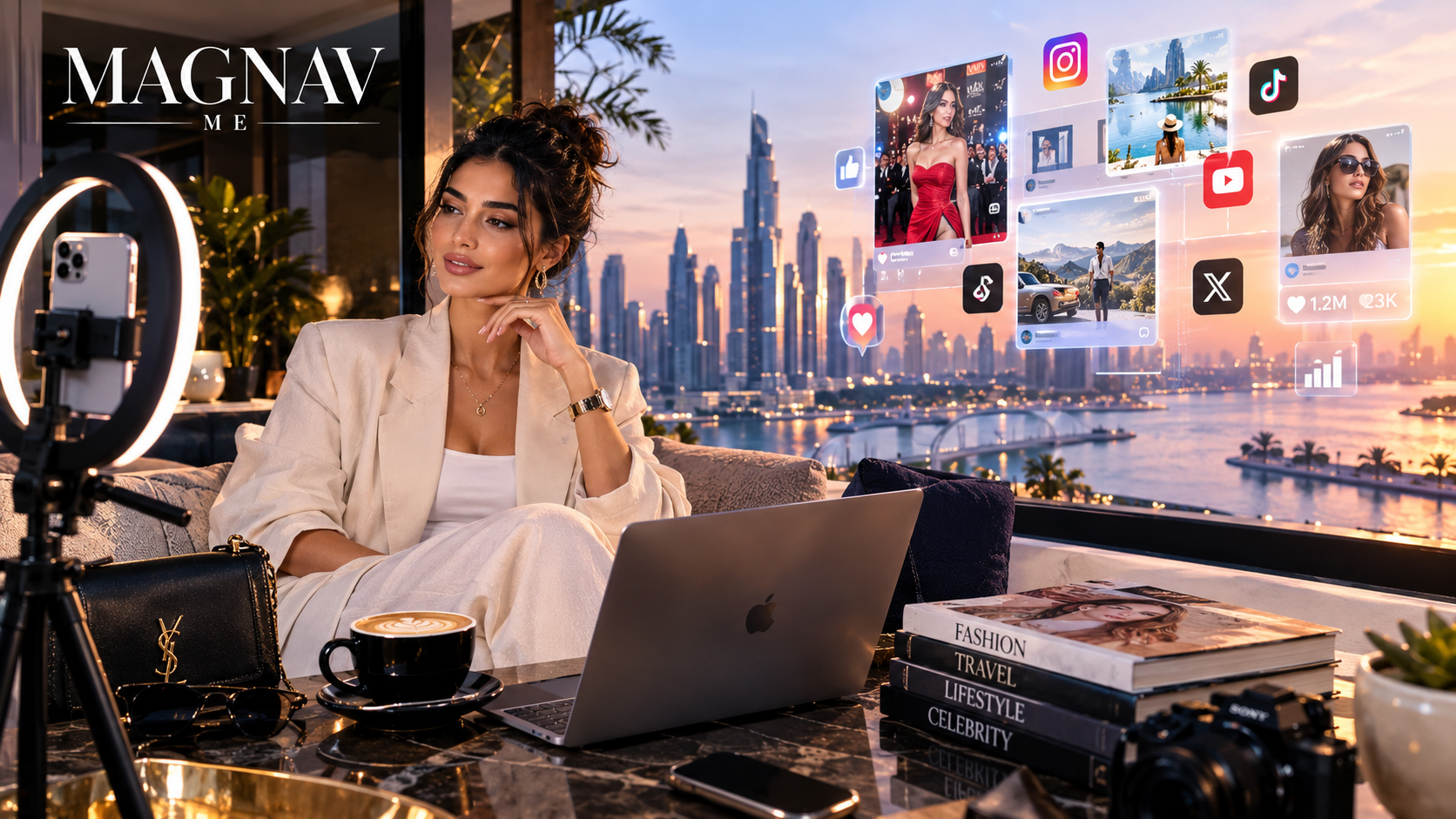
The relationship between media and audiences has changed dramatically in recent years. People no longer consume entertainment, fashion, lifestyle, and cultural content through a small number of traditional channels. Instead, they move between websites, social platforms, streaming services, digital publications, podcasts, and creator communities throughout the day.
This shift has created new opportunities for publishers, brands, creators, and public personalities. Readers increasingly want content that connects entertainment with real cultural developments, consumer behavior, technology, and changing lifestyles.
A modern MENA digital magazine can respond to these expectations by combining editorial storytelling with timely coverage of entertainment, fashion, business, travel, luxury, technology, and social trends. The result is a media experience that reflects how audiences actually live and consume information today.
Audiences Are No Longer Passive
Traditional media largely followed a one-way communication model.
A publication produced content, a television channel broadcast a program, or a newspaper printed an article. Audiences consumed the material with relatively limited opportunities to participate.
Digital media has changed that relationship.
Readers can now comment, share, react, create responses, publish their own opinions, and communicate directly with creators and public figures.
This participation has transformed audience expectations.
People increasingly want to feel involved in the conversations surrounding the content they consume.
Entertainment Has Become a Daily Experience
Entertainment is no longer restricted to scheduled television programs or occasional cinema releases.
People can watch short videos during a commute, follow celebrity updates throughout the day, stream films at night, and discuss entertainment stories with online communities.
This constant accessibility has increased the speed at which entertainment trends develop.
A new song, fashion moment, interview, or social media discussion can become widely known within hours.
For publishers, this creates both opportunities and challenges.
Content needs to be timely, but speed should not come at the expense of accuracy or meaningful analysis.
The Rise of Personal Brands
Public figures now have greater control over their personal image.
Actors, musicians, influencers, entrepreneurs, athletes, designers, and creators can communicate directly with followers without depending entirely on traditional media organizations.
Their social profiles can function almost like personal media channels.
This allows audiences to see professional projects alongside personal interests, fashion choices, travel experiences, collaborations, and behind-the-scenes moments.
Personal branding has therefore become an important part of modern entertainment culture.
Fashion Moves at Digital Speed
Fashion trends can now travel rapidly between different markets.
A look worn by a public personality can become a discussion topic almost immediately. A designer collection can receive international attention through digital coverage before traditional print publications have released their next issue.
This speed has changed the fashion industry.
Consumers can research styles, compare products, follow designers, watch runway footage, and find styling inspiration without waiting for seasonal publications.
At the same time, fashion audiences are becoming more interested in the stories behind products.
They may want to know about craftsmanship, materials, design philosophy, brand history, sustainability, and cultural influences.
Celebrity Influence Beyond Entertainment
Celebrity influence increasingly extends into commercial and cultural areas.
A public personality may collaborate with a fashion company, launch a beauty product, participate in a charitable project, appear in a business campaign, or become involved with a technology brand.
These activities can influence consumer behavior.
However, audiences are becoming more aware of commercial partnerships.
They often distinguish between genuine recommendations and paid promotional content.
For this reason, credibility is becoming one of the most valuable assets for both public figures and brands.
Digital Communities Are Changing Cultural Conversations
Online communities can bring together people who share interests in entertainment, fashion, gaming, travel, music, beauty, or technology.
These communities can influence which stories receive attention.
A topic does not always become popular because a major publication decides it is important.
Sometimes audiences create the momentum themselves.
A viral discussion, fan community, creator video, or online debate can push a subject into mainstream media.
Publishers need to understand these conversations without simply following every trend.
The Middle of a New Lifestyle Economy
The connection between entertainment and consumer culture has become particularly important for modern brands. People often discover products through personalities, stories, experiences, and communities rather than through conventional advertisements.
Coverage associated with bessan ismail, for example, can be considered within this broader shift toward digitally connected entertainment audiences and personality-driven media.
The larger trend is significant because public figures can influence conversations around fashion, beauty, entertainment, lifestyle, and personal identity.
For brands, this means that communication increasingly depends on relevance and trust rather than simply purchasing advertising space.
Why Storytelling Matters
Information is everywhere.
What makes certain content memorable is often the way the information is presented.
A strong story can explain why a trend matters, introduce the people behind an achievement, examine the development of a brand, or provide context around a cultural movement.
Storytelling can also make complex subjects easier to understand.
For example, instead of simply reporting that a particular technology is becoming popular, a publisher can examine how it affects creators, consumers, businesses, and everyday routines.
This provides readers with more value than a basic announcement.
Lifestyle Content Is Becoming Broader
The meaning of lifestyle publishing has expanded.
It once focused heavily on fashion, food, travel, and celebrity culture.
Today, lifestyle content can include technology, entrepreneurship, personal development, wellness, finance, design, entertainment, sustainability, and digital culture.
This broader approach reflects the way modern life actually works.
Technology influences fashion. Business influences travel. Entertainment influences consumer behavior. Social media influences personal branding.
These subjects are interconnected.
The Importance of Responsible Editorial Coverage
The speed of digital media creates a responsibility for publishers.
Celebrity stories can attract large audiences, but publishers should avoid unverified claims and unnecessary speculation.
Lifestyle content should also distinguish between editorial information and commercial promotion.
When discussing products, brands, public figures, or emerging trends, credible sources and careful language can help maintain reader trust.
A publication's reputation can take years to build but can be damaged quickly by inaccurate reporting.
Visual Content Is Becoming More Important
Digital audiences respond strongly to visual storytelling.
Photography, short-form video, interviews, graphics, and interactive formats can make an article more engaging.
However, visuals should support the story rather than replace meaningful information.
A beautiful image may attract attention, but useful context gives readers a reason to stay.
This combination of visual appeal and editorial substance can create stronger digital experiences.
Brands Are Becoming Publishers
Many companies are now creating their own editorial content.
Brands publish interviews, guides, videos, trend reports, behind-the-scenes stories, and educational resources.
This allows them to communicate with audiences without relying entirely on traditional advertising.
Brand publishing can be effective when the content provides genuine value.
A company that constantly promotes itself may quickly lose audience attention.
A company that teaches, informs, entertains, or tells meaningful stories has a better chance of building long-term engagement.
The Role of Influencers Is Evolving
Influencers are increasingly becoming entrepreneurs and media personalities.
Some create product lines. Others launch businesses, develop subscription communities, produce entertainment programs, or collaborate with established brands.
This evolution demonstrates how digital audiences can become valuable professional assets.
However, maintaining influence requires consistency.
Followers expect regular communication and increasingly pay attention to whether creators remain authentic as their commercial opportunities increase.
Changing Expectations Around Luxury
Luxury content is also adapting to digital culture.
Consumers are increasingly interested in experiences rather than ownership alone.
Luxury travel, private hospitality, fine dining, wellness retreats, design, craftsmanship, and personalized services can all form part of modern luxury culture.
Digital storytelling allows audiences to experience these worlds virtually before making purchasing decisions.
For luxury brands, this makes editorial presentation increasingly important.
The story surrounding a product can influence perceptions just as strongly as the product itself.
How Publishers Can Stay Relevant
Successful digital publishers need to understand their audiences without becoming controlled by short-term trends.
Analytics can show which subjects attract attention, but numbers should be combined with editorial judgment.
A topic receiving many clicks may not necessarily provide long-term value.
Publishers can build stronger relationships by balancing timely stories with evergreen guides, interviews, analysis, profiles, and thoughtful features.
Consistency also matters.
Readers are more likely to return when they know what type of quality and perspective they can expect.
The Future of Digital Lifestyle Media
The next stage of digital publishing will likely involve even greater integration between articles, video, social platforms, creators, communities, and interactive experiences.
Artificial intelligence may help publishers research subjects, organize information, personalize recommendations, and improve production workflows.
Yet editorial credibility will remain essential.
Audiences may have access to more information than ever, but they still need trustworthy sources that can separate useful information from noise.
The publishers that combine technology with strong editorial standards will be better positioned to build lasting audiences.
Conclusion
Entertainment and lifestyle media are becoming increasingly connected to digital culture, personal branding, fashion, technology, and consumer behavior. Audiences are no longer simply receiving information; they are participating in conversations, creating content, following personalities, and influencing which stories gain attention.
The changing role of celebrities and creators demonstrates how powerful personal communication can become in a digitally connected environment. At the same time, publishers have an opportunity to provide context, verification, analysis, and original storytelling that audiences cannot easily find through short social posts alone.
The growth of startup stories MENA within digital conversations also reflects the broader movement toward entrepreneurial storytelling, where founders and emerging companies can become part of lifestyle and culture coverage alongside established industries.
The future of media will belong to platforms that understand their audiences while maintaining strong editorial standards. Technology can improve distribution, but meaningful stories, credible information, and authentic communication will continue to determine whether readers return.
FAQs
1. How has digital media changed entertainment?
Digital platforms have made entertainment available almost continuously and allow audiences to interact directly with creators and public figures.
2. Why is personal branding important today?
Personal branding helps public figures and creators establish recognizable identities, communicate directly with audiences, and develop professional opportunities beyond their original careers.
3. How does social media influence fashion?
Social platforms allow trends, styling ideas, designer collections, and celebrity looks to reach audiences rapidly and influence purchasing decisions.
4. What makes lifestyle content valuable?
Useful lifestyle content combines timely subjects with practical information, cultural context, original storytelling, and credible reporting.
5. Why do publishers need editorial standards?
Accuracy and responsible reporting help publications maintain audience trust, particularly when covering public figures, commercial products, and rapidly developing trends.
6. What is the future of digital lifestyle publishing?
The future is likely to combine written journalism with video, social media, interactive formats, creator collaborations, community engagement, and personalized digital experiences.

 Arabic
 French
 Spanish
 Portuguese
 Deutsch
 Turkish
 Dutch
Dutch
 Italiano
 Russian
 Romaian
 Portuguese (Brazil)