
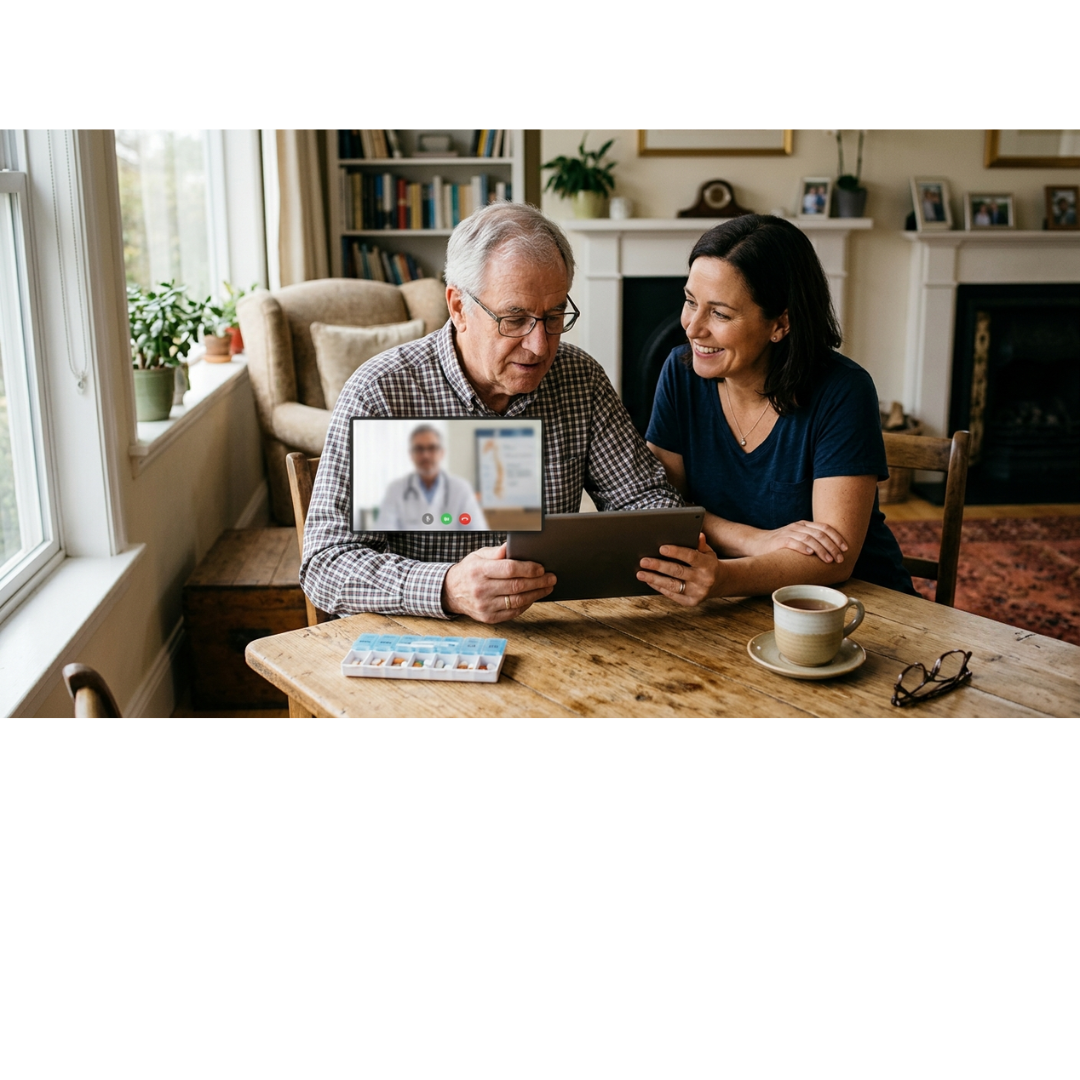
Personalized elder care at home is important because every senior has different health needs, daily routines, emotional concerns, and levels of independence. A fixed care routine may not work for everyone. Some seniors may need help with medication and doctor visits, while others may mainly need companionship, assistance with daily tasks, or support after surgery.
This is why elder care in home should be planned around the individual rather than providing the same type of support to every senior. Personalized care allows families to address practical needs while also respecting the senior’s comfort, privacy, choices, and dignity.
What Does Personalized Elder Care Mean?
Personalized elder care means providing support based on the senior’s actual condition and lifestyle. Care may change depending on age, mobility, medical history, emotional wellbeing, and the level of help required.
For example, an active senior may only need assistance with appointments, household tasks, and occasional companionship. Another person recovering from surgery may need nursing support, medication reminders, mobility assistance, and regular health monitoring.
A good care plan can also change over time. As a senior’s condition changes, the type and frequency of support can be adjusted.
Why Seniors Benefit From Individualized Care
1. It Supports Independence
Growing older does not automatically mean that a person wants someone to do everything for them. Many seniors prefer to remain involved in their daily decisions and activities.
Personalized support allows caregivers to help where assistance is genuinely needed while allowing seniors to continue doing what they can independently.
For instance, a caregiver may help with shopping, appointments, or household work without taking away the senior’s ability to make personal choices.
This balance can help seniors feel respected rather than dependent.
2. It Helps Manage Changing Health Needs
Older adults may deal with multiple health concerns at the same time. Regular medication, medical appointments, post surgery recovery, physiotherapy, mobility concerns, and routine health checks can become difficult to manage alone.
With elder care in home, these requirements can be coordinated around the senior’s daily routine.
Professional support may include medication assistance, nursing care, tele consultations, doctor appointment coordination, laboratory sample collection, and support during recovery.
The practical benefit is simple. Families have a clearer picture of what is happening, while seniors receive help without having to manage every task themselves.
3. Familiar Surroundings Can Make Care Easier
Home is familiar. Seniors know where their belongings are, how their day usually works, and which routines make them comfortable.
Moving to an unfamiliar setting can sometimes create stress, particularly for older adults who already have mobility or health concerns.
Care provided at home allows support to take place within a familiar environment. Caregivers can work around established routines such as meal times, rest periods, medication schedules, hobbies, and family calls.
This can make daily assistance feel more natural.
Personalized Care Is More Than Medical Assistance
A common mistake is to think that elder care only means medical support. In reality, emotional and social wellbeing are also important parts of senior care.
Companionship Matters
Loneliness can become a serious concern when children live in another city or country, spouses pass away, or social circles become smaller.
A companion can spend time talking with a senior, joining them during walks, helping them pursue hobbies, or simply being present during the day.
Pranyaas provides companion care alongside medical and practical support, giving families an option that addresses the social side of ageing as well.
Emotional Support Builds Trust
Seniors may initially hesitate to accept professional assistance because they fear losing their independence.
Care becomes easier when the caregiver understands the person’s preferences and communicates respectfully. Knowing when to offer help and when to give space is an important part of good elder care.
How Personalized Care Helps Families Living Away From Parents
Distance is one of the biggest practical challenges for families caring for ageing parents.
A son or daughter living in another city or abroad may not be able to accompany a parent to every appointment, arrange household repairs, monitor medicines, or respond immediately during an emergency.
In such situations, elder care in home can provide a local support system while family members remain involved in important decisions.
Pranyaas uses care counselors, personalized care teams, regular communication, and updates to help families stay informed about their parents’ needs. Its services also include assistance with appointments, home maintenance, emergency support, expenses, and companionship.
Everyday Assistance Can Make a Major Difference
Senior care is not limited to major medical situations. Small daily responsibilities can also become difficult with age.
Examples include:
• Paying household bills
• Arranging doctor appointments
• Collecting medicines
• Coordinating laboratory tests
• Managing household repairs
• Getting help after hospital discharge
• Accompanying seniors for important errands
• Providing companionship during the day
• Supporting mobility and daily routines
Handling these responsibilities can reduce the pressure on both seniors and their families.
Emergency Support Adds Another Layer of Protection
Families often worry about what will happen if a parent falls sick or faces an unexpected problem while they are away.
A structured care service can provide a point of contact during such situations. Depending on the care plan, support may involve coordinating medical assistance, arranging transportation or hospital admission, contacting family members, and helping with immediate practical requirements.
Pranyaas also provides emergency care assistance and emergency fund support as part of its elder care services.
The purpose is not to replace family involvement. It is to give families local support when they cannot physically be present.
What Should Families Look for in a Personalized Care Service?
Before selecting a care provider, families should look beyond the number of services offered. The important question is whether the provider understands the senior as an individual.
Consider the following:
• Is there a clear assessment of the senior’s needs?
• Can the care plan change when health requirements change?
• Are trained caregivers or nurses available when required?
• Is there a dedicated person for communication?
• Are families kept informed about important developments?
• Does the service cover both medical and everyday needs?
• Is emergency assistance available?
• Does the caregiver respect the senior’s privacy and independence?
These questions can help families choose support based on actual requirements rather than simply selecting a standard package.
Why Personalized Care Can Give Families Greater Confidence
Caring for elderly parents while managing a job, children, travel, and household responsibilities can become difficult. Family members may feel guilty when they cannot personally handle every responsibility.
Professional support can divide those responsibilities more realistically.
With elder care in home, families can remain involved while trained people handle agreed care responsibilities locally. This arrangement can be particularly useful for families living in different cities or countries.
The goal is not to reduce the family’s role. It is to give the family additional support so that important needs do not depend on physical presence alone.
Conclusion
Personalized senior care works because it treats ageing as an individual experience rather than a standard process. Health conditions, mobility, emotional needs, routines, family situations, and personal preferences all differ from one senior to another.
For some families, the right support may involve nursing and medical coordination. For others, companionship, household assistance, appointment management, or emergency support may matter more.
The right approach is to assess what the senior actually needs and build care around those requirements. Elder care in home can then become a practical way to support safety, independence, companionship, and dignity while keeping family members involved.
For families looking for structured senior support in Mumbai and Pune, Pranyaas offers services covering medical assistance, companion care, emergency support, household assistance, expense management, and ongoing family communication.
FAQs
Q.1 What is personalized elder care at home?
Personalized elder care is support planned according to a senior’s health condition, daily routine, mobility, emotional needs, and level of independence.
Q.2 Why is personalized care important for seniors?
It helps seniors receive the type of assistance they actually need while allowing them to maintain dignity, familiar routines, and as much independence as possible.
Q.3 What services can seniors receive at home?
Depending on their needs, seniors may receive nursing assistance, medication support, appointment coordination, companionship, household assistance, emergency support, and help with daily activities.
Q.4 Is home care suitable for seniors living alone?
Yes. Home care can be useful for seniors who live alone, particularly when family members live in another city or country and cannot provide daily physical support.
Q.5 How can families stay involved in senior care?
Families can remain involved through regular communication, health updates, remote doctor consultations, care discussions, and participation in important decisions regarding the senior’s wellbeing.
Q.6 How does Pranyaas support elderly parents?
Pranyaas provides personalized care plans, care counselors, medical and nursing support, companion care, emergency assistance, home maintenance support, expense management, and regular communication with families.

 Arabic
 French
 Spanish
 Portuguese
 Deutsch
 Turkish
 Dutch
Dutch
 Italiano
 Russian
 Romaian
 Portuguese (Brazil)