
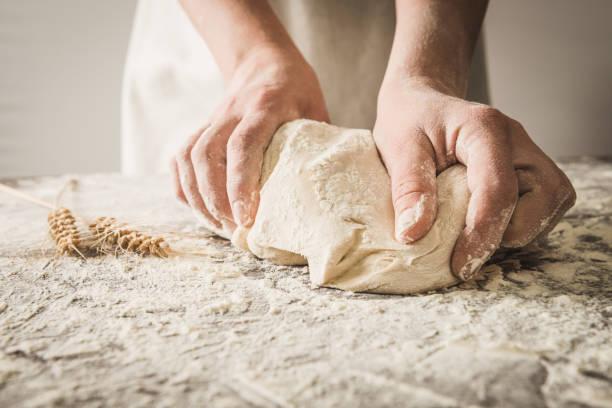
Okay, let's start basic. A bread proofing basket — some folks call it a banneton, some just say "that woven bowl thing" — is the container your dough sits in while it does its final rise before baking. That's it. Not complicated. But here's the thing nobody tells you when you start baking sourdough at home: the basket isn't just a bowl. It shapes the loaf, it wicks moisture off the dough's surface so you get a proper crust, and it leaves behind those pretty ridged lines everyone posts on Instagram. If you've ever baked a loaf that spread out flat like a pancake instead of holding its shape, chances are you skipped this step or used the wrong basket. I know because I did exactly that for like six months before someone told me what I was doing wrong.
Why Your Dough Actually Needs One (Not Just a Bowl)
You CAN proof dough in a regular bowl lined with a towel. People did it for centuries before bannetons were a thing everyone owned. But a dedicated bread proofer does something a bowl can't — it breathes. The material, usually rattan or cane, pulls just enough moisture from the dough's exterior to form a thin skin. That skin is what gives you a crisp, well-defined crust with those signature spiral or ridged marks. A plastic bowl just traps moisture against the dough and you end up with a sad, soggy surface that doesn't hold shape when it hits the hot oven. Not the end of the world, your bread will still taste fine, but if you want that bakery look, the basket matters more than people think.

Rattan vs Wood Pulp vs Silicone — Which Material Wins
This is where most buying guides get lazy and just say "rattan is best" and move on. I'm not going to do that. Rattan cane baskets are the classic choice, and honestly, the best bread proofing basket for most home bakers probably is one of these — natural, breathable, gives you that rustic ridged pattern. But they need seasoning (more on that below) and they can grow mold if you don't dry them properly, which, trust me, is a gross surprise to find in your kitchen cupboard. Wood pulp bannetons are the newer alternative — less porous, dishwasher safe in some cases, easier for lazy people like me who forget to hand-wash things. Silicone proofing baskets exist too, and they're fine for beginners, but you lose that texture on the crust that makes rattan so popular in the first place. Pick based on how much maintenance you're willing to do, not just what looks nicest on a shelf.
Size and Shape Matter More Than You'd Think
Round or oval? Depends what you're baking. Round baskets, sometimes called boules, work great for classic round sourdough loaves. Oval ones, batards, are better if you're planning on sandwich-style bread or just prefer a longer loaf shape. Size-wise, most home bakers do fine with a 9 or 10-inch basket for a standard 1 to 1.5 pound loaf. Go too small and your dough overflows the edges during proofing, which is messy and honestly a little heartbreaking after you've babied that dough all day. Go too big and the loaf spreads instead of rising up, and you lose that nice tall dome shape. If you bake different bread types regularly, honestly, having two sizes on hand isn't overkill. It's just practical.
Banneton or Bread Proofer — Is There Even a Difference
Quick clarification because people mix these terms up constantly. Banneton is really just the French name for the woven proofing basket. Bread proofer, though, sometimes refers to something bigger — an actual proofing box or machine with temperature control, used to speed up fermentation in a controlled environment. Different tool, different job. For home bakers who just want better sourdough loaf shape and crust, you want the basket. For bakers dealing with cold kitchens or wanting more consistent rise times, a proofing box (sometimes just a warm oven with the light on, let's be real) might be worth adding too. Don't get confused by product listings that use both terms loosely — read the description before you buy.

How to Actually Use One Without Ruining Your Dough
First bake with a new basket? Flour it. Generously. Like, more than feels necessary. Rice flour works best because it doesn't absorb into the dough the way regular flour does, so your loaf won't stick when you flip it out. Shape your dough, place it seam-side up in the basket (this becomes the bottom of your loaf), let it proof, then flip it onto your baking surface right before it goes in the oven. Sounds simple. It is simple, once you've done it a couple times. First time I tried it I under-floured and the dough stuck like glue, tore half the crust off when I flipped it. Learn from my mistake there.
Cleaning and Caring for Your Basket the Right Way
Never wash a rattan banneton with soap and water like a normal dish. I know that sounds wrong but soap gets trapped in the weave and ruins future loaves with a weird taste. Just knock out the excess flour, brush it off with a dry brush or your hands, and let it air dry completely before storing. If it does get a stubborn dough residue, a light scrub with plain water and a thorough dry is fine, just don't soak it. Mold is the real enemy here — always store your basket somewhere dry, not shoved in a damp cupboard right after use.
What to Look For Before You Buy One
If you're shopping around, here's honestly what I'd check. Look at the weave tightness — too loose and you'll get flour clumping unevenly, too tight and it won't breathe as well. Check if it comes with a liner, which some beginners prefer since it skips the flouring mess entirely (though you lose the ridged pattern). Read reviews for mold or splintering complaints, cheap rattan sometimes falls apart after a handful of uses. And honestly, price isn't a bad indicator here — a decent proofing basket usually runs somewhere between fifteen and thirty dollars, and going dirt cheap often means dirt cheap quality too.
Sourdough Isn't the Only Bread That Benefits
People assume proofing baskets are just a sourdough thing. Not true. Any high-hydration dough — focaccia dough excluded since that's a different beast — benefits from the structure a banneton gives during that final proof. Even enriched doughs, like a soft milk bread, can use a basket if you want a specific shape without a loaf pan. The tool isn't married to one bread style, it's married to the technique of shaping and holding dough before baking.

Final Thoughts Before You Go Buy One
Look, at the end of the day a bread proofing basket is a cheap tool that makes a real difference in how your loaves turn out. It's not magic, it won't fix bad dough or a weak starter, but it will give you better crust, better shape, and honestly more confidence walking into your next bake. If you're serious about home baking, even just semi-serious, it's worth the fifteen bucks. Start with one good rattan basket, learn to flour it right, and go from there.
FAQs
What is the best bread proofing basket material for beginners?
Rattan is the classic choice and gives the best crust texture, but wood pulp is more forgiving if you're new and don't want to deal with seasoning or mold risk.
Do I need a bread proofer if I already have a banneton?
Not necessarily. A banneton handles shaping and final proof just fine. A bread proofer or proofing box is more about controlling temperature for faster or more consistent rise.
How do I stop dough from sticking to my proofing basket?
Flour it heavily with rice flour before every use, especially early on while the basket is still new and unseasoned.
Can I wash my bread proofing basket with soap?
No, avoid soap. Just brush out excess flour and let it fully air dry to prevent mold and off-flavors in future loaves.
What size proofing basket should I buy first?
A 9 to 10-inch round basket is the safest first purchase for a standard 1 to 1.5 pound sourdough loaf.

 Arabic
 French
 Spanish
 Portuguese
 Deutsch
 Turkish
 Dutch
Dutch
 Italiano
 Russian
 Romaian
 Portuguese (Brazil)