
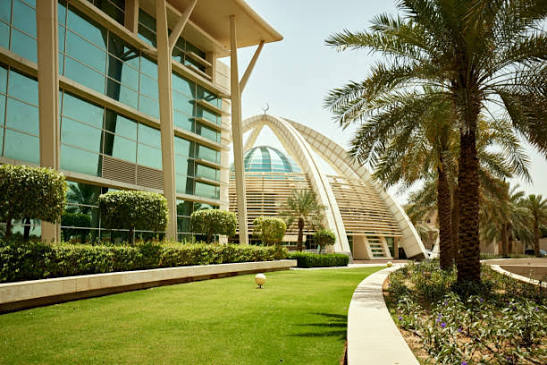
Saudi Arabia is entering a transformative phase in its construction and infrastructure journey, where architectural expertise and engineering precision are becoming increasingly important. Large-scale urban developments, industrial expansion, and public infrastructure initiatives are reshaping project expectations, requiring advanced planning, digital design capabilities, and sustainable engineering solutions. As the construction ecosystem evolves, professional consulting services are playing a greater role in delivering efficient, resilient, and future-ready developments.
The Saudi Arabia Architectural and Engineering Services Market reflects this growing emphasis on integrated design, technical consulting, and project execution. According to the latest industry assessment, the market is valued at USD 111 million in 2025 and is expected to reach USD 187 million by 2032, expanding at a CAGR of around 7.9% during 2026–2032. This growth highlights increasing demand for professional engineering consultancy services that support ambitious infrastructure and urban development projects.
Demand is also being fueled by the need for smarter project planning, regulatory compliance, and resource optimization. Organizations across residential, commercial, industrial, and public sectors are increasingly seeking multidisciplinary expertise that combines architecture, structural engineering, sustainability, and digital technologies. This integrated approach enables projects to achieve higher operational efficiency while addressing long-term environmental and economic objectives.
Vision-Led Development Is Reshaping Industry Demand
Saudi Arabia's long-term economic diversification strategy continues to create opportunities across the construction value chain. Massive investments in tourism destinations, smart cities, transportation networks, healthcare facilities, and industrial zones have significantly expanded the need for professional design and engineering services. Complex projects require specialized expertise during planning, design, feasibility analysis, and project management, making architectural and engineering firms valuable strategic partners throughout the project lifecycle.
As projects become larger and more technically demanding, stakeholders are prioritizing collaboration between architects, engineers, urban planners, and environmental consultants. Integrated project delivery models improve coordination, reduce construction risks, and help optimize project timelines while maintaining compliance with evolving national building standards and sustainability goals.
Digital Engineering Is Transforming Project Execution
Technology adoption has become one of the defining characteristics of modern engineering services. Digital tools such as Building Information Modeling (BIM), digital twins, cloud-based collaboration platforms, and advanced simulation software are improving design accuracy while reducing costly revisions during construction. These technologies enable stakeholders to visualize projects before execution, identify potential conflicts, and improve coordination among multiple disciplines.
Automation and data-driven engineering are also supporting better decision-making across project planning and asset management. As digital transformation accelerates across Saudi Arabia's construction sector, engineering firms are increasingly investing in software capabilities and skilled professionals capable of delivering highly integrated digital design solutions. According to the World Economic Forum, digital technologies are becoming central to improving productivity and sustainability across the global construction industry.
Sustainability Has Become a Core Design Priority
Environmental performance is now influencing architectural and engineering decisions across nearly every major development. Clients are placing greater emphasis on energy efficiency, water conservation, renewable energy integration, and environmentally responsible material selection. Rather than focusing solely on structural performance, engineering teams are increasingly expected to deliver designs that balance operational efficiency with environmental stewardship.
Green building certifications, climate-responsive architecture, and lifecycle cost analysis are becoming common project considerations. These practices not only reduce environmental impact but also improve long-term operational value for building owners. International organizations such as the International Energy Agency (IEA) continue to highlight energy-efficient building design as an important component of global sustainability strategies.
Specialized Expertise Is Becoming Increasingly Valuable
The diversity of Saudi Arabia's development pipeline has created demand for specialized engineering disciplines beyond conventional building design. Transportation engineering, industrial process engineering, environmental consulting, geotechnical analysis, and infrastructure planning now play essential roles in delivering highly complex projects. This trend encourages firms to expand multidisciplinary capabilities while strengthening technical expertise across multiple sectors.
At the same time, growing project complexity requires stronger collaboration between local engineering firms and international consulting organizations. Such partnerships facilitate knowledge transfer, advanced design methodologies, and access to emerging technologies that enhance project quality and operational performance.
Future Outlook
The continued expansion of Saudi Arabia's infrastructure and urban development landscape is expected to sustain demand for architectural and engineering expertise throughout the forecast period. Increasing investment in digital engineering, sustainable design practices, and multidisciplinary consulting capabilities positions the sector to support increasingly sophisticated construction requirements. As large-scale projects continue to evolve, professional engineering services are likely to remain a critical component of efficient project delivery and long-term infrastructure resilience.
As reported in the market study published by MarkNtel Advisors, the Saudi Arabia architectural and engineering services sector is projected to grow from USD 111 million in 2025 to USD 187 million by 2032, reflecting the industry's expanding role in supporting the Kingdom's evolving built environment and long-term development objectives.

 Arabic
 French
 Spanish
 Portuguese
 Deutsch
 Turkish
 Dutch
Dutch
 Italiano
 Russian
 Romaian
 Portuguese (Brazil)