
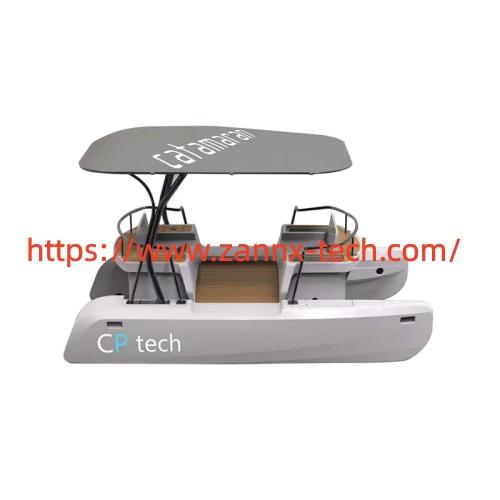
Leisure Boat choices can shape how a family spends an entire day on the water. A short morning cruise may turn into swimming, fishing, lunch, or an afternoon of simply sitting together and watching the scenery. That is why current buyer guidance often puts attention on layout, seating, storage, boarding, shade, and the intended use of the vessel rather than looking at specifications in isolation.
For families, space is not only about how many people can technically come aboard. It is about how those people move once everyone arrives with towels, bags, drinks, life jackets, and other equipment. A layout that looks spacious while empty can feel very different when the deck is busy. Clear pathways and sensible seating positions make it easier for people to move without constantly disturbing someone who is relaxing.
Seating deserves a closer look too. Families rarely spend an entire outing sitting in the same position. Children may want to move around, adults may prefer a shaded area, and everyone may gather together when the boat is anchored. Flexible seating can make the same space useful for cruising, conversation, eating, or taking a break between activities. Current family boating guides also highlight the importance of seating flow rather than relying only on the total passenger figure.
Storage is another detail that can quietly change the experience. A family day on the water can involve much more equipment than expected. Towels, snacks, spare clothing, sunscreen, flotation equipment, toys, fishing supplies, and personal items all need somewhere to go. When these things are left on the deck, movement becomes harder and the available space starts disappearing. Practical compartments that are easy to reach can keep frequently used items organized without interrupting the day.
Then there is shade. Sun protection can become especially useful when a trip lasts several hours. A canopy or similar arrangement can give passengers a place to step away from direct sunlight while keeping the main social area usable. The position matters as much as the presence of the feature. Buyers should consider whether the shaded area actually covers the places where passengers spend their time.
Boarding is another point that deserves attention, particularly when swimming is part of the plan. A practical rear platform and an accessible ladder can make getting back aboard easier for adults and younger passengers. Non slip surfaces and well placed handholds also help create a more comfortable transition from the water to the deck. These details may not attract attention in a product photograph, but they become important during repeated use.
The hull and overall stability also deserve consideration. Calm lakes, rivers, sheltered coastal areas, and open water can place different demands on a vessel. Buyers should think about where the craft will normally operate and what kind of activities are planned. A family that mainly enjoys relaxed lake trips may have different priorities from one that regularly travels along the coast.
Controls should feel approachable as well. When a family spends a day moving between cruising, anchoring, swimming, and returning to the dock, straightforward operation can reduce unnecessary effort. Predictable low speed handling is particularly useful around docks and busy launch areas. A practical test drive can reveal details that specifications cannot fully communicate.
Zannxtech pays attention to the relationship between layout, usability, comfort, and outdoor recreation. The aim is to create products that can fit naturally into different leisure scenarios rather than focusing on one type of outing. For distributors and buyers, this broader approach can make it easier to consider how a model might serve families, rental businesses, resorts, or recreational operators.
Technology can also contribute to the experience, but it should remain useful. Navigation equipment, charging points, lighting, audio systems, and other onboard functions can add convenience when they are positioned sensibly and designed around everyday operation. Buyers should think about which features they will actually use instead of selecting equipment simply because a specification sheet looks impressive.
A family outing is rarely a perfectly planned sequence. Someone may want to swim earlier than expected. A child may need a snack. The group may decide to stay out longer or change the destination. This is where flexible design becomes valuable. Storage, seating, shade, boarding access, and simple controls give people more freedom to adjust their plans as the day develops.
For buyers comparing different models, a useful approach is to imagine a real outing from beginning to end. Picture loading the equipment, boarding with children, moving away from the dock, cruising for an hour, stopping for lunch, swimming, storing wet gear, and heading home. The features that remain useful throughout that scenario are often more meaningful than specifications that only look attractive on paper.
Zannxtech continues to develop leisure mobility products with practical outdoor use in mind. Buyers and business customers can visit https://www.zannx-tech.com/ to review the company and its product range, then consider which configuration fits their intended activities and operating environment.

 Arabic
 French
 Spanish
 Portuguese
 Deutsch
 Turkish
 Dutch
Dutch
 Italiano
 Russian
 Romaian
 Portuguese (Brazil)