
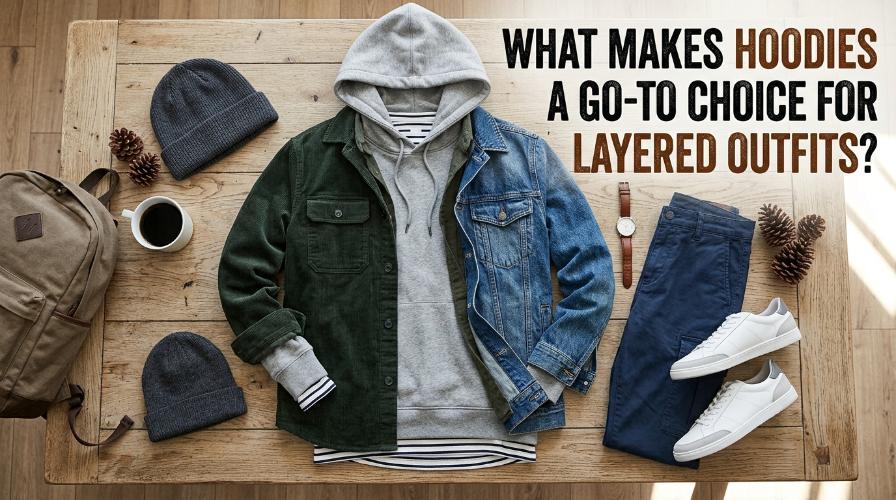
Layering is one of the easiest ways to make an outfit more practical, adaptable, and visually interesting. Instead of relying on a single garment to provide warmth and style, layering allows you to combine different textures, proportions, colors, and silhouettes. Among all the pieces that can be used for this purpose, hoodies have earned a particularly dependable place in everyday wardrobes.
A hoodie can sit comfortably between a basic T-shirt and a heavier jacket, making it useful across changing temperatures and different settings. It can add warmth without the bulk of a thick coat, while the hood introduces another layer of texture around the neckline. At the same time, hoodies work with casual, streetwear-inspired, sporty, and relaxed outfits.
Their popularity also comes from simplicity. You do not need a complicated styling formula to make a hoodie work. A well-chosen design can complement jeans, cargo pants, joggers, chinos, denim jackets, bomber jackets, overshirts, and even certain tailored outerwear pieces. That versatility makes the hoodie much more than a lounge staple—it is a practical foundation for creative layering.
Why Hoodies Work So Well as a Layering Essential
The secret to a good layering piece is balance. It needs to provide enough coverage and warmth while remaining comfortable underneath another garment. Hoodies naturally fit this role because they occupy the middle ground between lightweight tops and substantial outerwear.
A lightweight hoodie can be worn under a jacket during cooler weather, while a heavier fleece hoodie can become the primary outer layer when temperatures are moderate. This flexibility gives wearers more control over their comfort throughout the day.
There is also a strong visual advantage. The hood, cuffs, waistband, and often contrasting drawstrings create details that remain visible when the hoodie is partially covered by another garment. Instead of making an outfit look flat, these details can add dimension.
- Adaptable warmth: Hoodies provide an additional layer without requiring a heavy winter coat.
- Visual depth: The hood and fabric texture add dimension beneath outerwear.
- Easy coordination: Neutral and statement hoodies can work with a wide range of trousers and jackets.
- Everyday comfort: Soft fabrics and relaxed silhouettes make them practical for extended wear.
- Seasonal versatility: They can transition between spring, fall, and mild winter conditions depending on the fabric weight.
Another important factor is the range of hoodie silhouettes available today. Oversized, regular-fit, cropped, zip-up, pullover, heavyweight, and lightweight versions can each create a different effect. Choosing the right silhouette is therefore just as important as selecting the right color.
The Importance of Fabric Weight in Layered Styling
Not every hoodie behaves the same way when layered. Fabric weight has a direct impact on comfort, appearance, and how easily the garment fits underneath another piece.
A lightweight cotton or cotton-blend hoodie is generally easier to wear beneath a denim jacket, bomber, or casual overshirt. Because it has less bulk, the outer layer can retain its intended shape. A heavyweight hoodie, by comparison, can create a stronger oversized aesthetic but requires more room in the garment worn over it.
| Hoodie Type | Best Layering Use | Style Effect | Ideal Conditions |
|---|---|---|---|
| Lightweight Pullover | Under jackets and overshirts | Clean and streamlined | Cool spring or fall days |
| Midweight Hoodie | Under denim or bomber jackets | Balanced and casual | Moderate temperatures |
| Heavyweight Hoodie | Over T-shirts or beneath roomy coats | Bold and substantial | Cold weather |
| Zip-Up Hoodie | Between base layers and outerwear | Relaxed and adjustable | Variable temperatures |
Understanding this distinction can prevent one of the most common layering mistakes: combining too many bulky garments. If a thick hoodie is paired with a slim-fitting jacket, the result may feel restrictive and look disproportionately crowded around the shoulders and arms.
Instead, match garment proportions. A substantial hoodie generally works better with an outer layer that offers enough room through the chest and sleeves. This creates a deliberate oversized silhouette rather than an accidental, uncomfortable one.
Creating Contrast With Color and Pattern
Layering is not only about temperature. It is also an opportunity to introduce contrast. A hoodie can become the visual bridge between a simple base layer and a more distinctive outer garment.
Neutral colors such as black, gray, cream, navy, and white are particularly useful because they can blend with numerous combinations. However, patterned or graphic hoodies can make the layering arrangement more expressive.
For example, an abercrombie camo hoodie can introduce a recognizable camouflage-inspired pattern into an otherwise understated outfit. When paired with neutral trousers and a simple jacket, the hoodie becomes the focal point without requiring additional loud accessories.
The key is to avoid competing patterns. If the hoodie contains a strong graphic or camouflage pattern, surrounding pieces should generally be simpler. This creates a hierarchy within the outfit and allows the statement layer to remain intentional rather than overwhelming.
Hoodies Under Jackets: A Classic Combination
Few layering combinations are as reliable as a hoodie worn underneath a jacket. The pairing works because each garment contributes something different. The hoodie supplies softness, warmth, and a relaxed silhouette, while the jacket provides structure and protection.
A denim jacket is a natural partner. The contrast between structured denim and soft sweatshirt fabric creates a balanced casual appearance. For a more contemporary streetwear approach, an oversized denim jacket can be worn over a similarly relaxed hoodie, particularly when the trousers have a straight or loose fit.
Bomber jackets offer another strong option. Their relatively short length works well with hoodies because the hood and lower portion of the sweatshirt can remain visible. This creates the layered proportions commonly associated with modern casual and streetwear styling.
Leather jackets can also work effectively. The contrast between smooth or textured leather and soft fleece or cotton creates visual interest. For this combination, a relatively simple hoodie often works best because the jacket itself already provides a strong statement.
Using Hoodies to Build a Sporty Streetwear Look
Modern streetwear frequently relies on layering because it allows individual garments to retain their identity while contributing to a larger silhouette. Hoodies are particularly valuable in this context because they naturally communicate a relaxed, athletic-inspired aesthetic.
Pairing a hoodie with joggers creates an unmistakably casual foundation. Adding a bomber jacket, varsity-style outer layer, or technical shell can make the outfit more dimensional without sacrificing comfort.
Graphic designs can further personalize the look. Instead of treating graphics as decoration alone, consider them part of the overall visual balance. A bold graphic hoodie can serve as the central element, while understated footwear and trousers keep the rest of the outfit controlled.
A more subtle approach involves using a plain hoodie beneath a distinctive jacket. This works especially well when you want the outer layer to receive most of the attention. The hoodie essentially acts as a supporting layer that softens the outfit.
Choosing a Hoodie for Casual Everyday Wear
For everyday outfits, versatility is often more valuable than novelty. A hoodie that can be worn with several combinations gives you more styling opportunities and makes it easier to dress appropriately as conditions change.
Neutral midweight hoodies are particularly useful for this reason. They can be worn alone with jeans, layered under a jacket, or combined with casual trousers and sneakers. A zip-up design can provide even more flexibility because it allows you to adjust ventilation throughout the day.
For people who prefer recognizable sports or lifestyle aesthetics, branded designs can add personality. A coach hoodie, for instance, can serve as a statement layer while remaining easy to integrate with everyday wardrobe staples.
The best approach is to consider the rest of your closet before buying a particular hoodie. Think about the jackets, trousers, shoes, and accessories you already own. A hoodie that coordinates with multiple pieces will naturally become a go-to option rather than something that sits unused.
How to Layer Hoodies Without Looking Bulky
Good layering should feel intentional rather than overloaded. The easiest way to maintain a clean silhouette is to vary the structure and weight of each garment.
Start with a relatively thin base layer, such as a T-shirt or thermal top. Add the hoodie as the middle layer, then choose an outer garment with sufficient room to accommodate it. This simple structure creates warmth while maintaining mobility.
- Begin with the base: Choose a breathable T-shirt, long-sleeve shirt, or thermal layer.
- Add the hoodie: Select a fabric weight appropriate for the temperature and intended silhouette.
- Choose compatible outerwear: Make sure the jacket or coat has enough space across the shoulders and arms.
- Balance proportions: Pair an oversized upper half with relaxed or straight-leg trousers instead of extremely tight bottoms if you want a contemporary silhouette.
- Finish with footwear: Sneakers, boots, and casual shoes can each shift the overall character of the layered outfit.
Another useful technique is to leave selected layers visible. Letting the hoodie hood sit naturally outside the jacket creates definition around the neck and shoulders. Allowing a small amount of the hoodie hem to extend below a shorter jacket can also establish clear visual separation between the layers.
Statement Hoodies and Personal Style
Hoodies have evolved from purely functional sportswear into a major medium for personal expression. Graphics, logos, colors, collaborations, cultural references, and distinctive patterns can all communicate an individual's preferences.
This makes statement hoodies especially useful when building layered outfits. Rather than adding several attention-grabbing pieces, you can choose one expressive hoodie and use understated garments around it.
A monster energy hoodie, for example, can establish a bold, energetic visual direction. Pairing such a design with black jeans or cargo trousers and a neutral outer jacket allows the hoodie to remain the defining feature of the outfit.
The same principle applies to color. A brightly colored hoodie can add energy to an otherwise monochromatic outfit, while a dark hoodie can ground lighter outerwear. The objective is not necessarily to match every color but to create a deliberate relationship between them.
Seasonal Layering With Hoodies
One of the strongest advantages of hoodies is their ability to transition between seasons. During early spring, a lightweight hoodie can provide just enough warmth when worn over a T-shirt. As temperatures rise during the afternoon, the hoodie can be removed and carried without becoming a major burden.
Fall is arguably the ideal hoodie season. Cooler mornings and evenings make layering practical, while moderate daytime temperatures allow the hoodie to function as the primary outer layer. Adding a denim, bomber, or utility jacket creates additional protection when needed.
During winter, hoodies can become part of a more substantial layering system. A thermal base layer, midweight hoodie, and insulated coat can provide several levels of warmth. In this situation, fabric choice and garment fit become especially important because excessive bulk can restrict movement.
Common Hoodie Layering Mistakes to Avoid
Although hoodies are easy to style, a few common mistakes can undermine an otherwise good outfit. The first is choosing incompatible proportions. An extremely oversized hoodie beneath a narrow jacket can bunch up and create discomfort.
Another mistake is ignoring fabric texture. Combining several heavy or rigid materials can make an outfit feel visually dense. Introducing softer fabric through the hoodie can help soften structured outerwear.
It is also worth considering the hood itself. A large hood can create significant volume around the neck. If the outer jacket has a high or narrow collar, the two may compete for space. In those cases, a smaller hood or roomier jacket can produce a cleaner result.
- Avoid excessive bulk between the shoulders and arms.
- Do not combine several competing statement patterns without a clear visual hierarchy.
- Choose outerwear with enough room for the hoodie underneath.
- Consider hood size when pairing a hoodie with high-collar jackets.
- Use color contrast intentionally rather than trying to make every layer identical.
Building a More Versatile Hoodie Wardrobe
You do not need a huge collection of hoodies to create numerous layered outfits. A small selection of strategically chosen pieces can cover a surprisingly broad range of styles and weather conditions.
A useful starting point is a neutral lightweight hoodie. This can handle most basic layering combinations. From there, a midweight hoodie in a second neutral color can provide variety, while one graphic or patterned option can introduce personality.
It is also useful to vary silhouettes. A classic regular-fit hoodie offers dependable everyday styling, while an oversized option can create a more contemporary streetwear profile. A zip-up hoodie provides flexibility when temperatures fluctuate.
| Wardrobe Need | Recommended Hoodie | Useful Pairings |
|---|---|---|
| Everyday versatility | Neutral midweight pullover | Jeans, chinos, denim jackets |
| Streetwear | Oversized graphic hoodie | Cargo pants, bombers, sneakers |
| Flexible layering | Lightweight zip-up | T-shirts, overshirts, casual jackets |
| Cold-weather layering | Heavyweight fleece hoodie | Roomy coats, insulated outerwear, boots |
This approach keeps the wardrobe practical while still allowing enough variety for different occasions. Instead of purchasing hoodies based solely on individual designs, think about what role each one will play in your overall layering system.
Why the Hoodie Remains a Reliable Style Staple
The enduring appeal of the hoodie comes down to its ability to combine comfort, function, and visual versatility. It can be understated or expressive, fitted or oversized, lightweight or substantial. More importantly, it can adapt to the garments around it.
That adaptability is what makes hoodies so effective for layered outfits. They provide a comfortable middle layer between lightweight basics and structured outerwear, while details such as hoods, graphics, colors, cuffs, and hems create opportunities for visual contrast.
Whether you prefer minimalist basics, athletic-inspired clothing, contemporary streetwear, or graphic-heavy casual fashion, there is a hoodie silhouette capable of fitting into the equation. With thoughtful attention to fabric weight, proportions, color, and texture, a hoodie can become one of the most useful pieces in a year-round wardrobe.
Frequently Asked Questions (FAQs)
Why are hoodies good for layering?
Hoodies work well for layering because they provide warmth and comfort without requiring the bulk of heavy outerwear. Their relaxed structure also pairs naturally with jackets, coats, overshirts, and other casual layers.
Can I wear a hoodie under a jacket?
Yes. Hoodies pair especially well with denim jackets, bomber jackets, leather jackets, utility jackets, and roomy coats. The main consideration is ensuring that the outer garment has enough room to accommodate the hoodie comfortably.
What hoodie weight is best for layering?
Lightweight and midweight hoodies are generally the easiest to layer beneath jackets. Heavyweight hoodies can also work, but they typically require a roomier outer layer to prevent excessive bulk and restriction.
How can I avoid looking bulky when wearing multiple layers?
Use garments with complementary proportions and avoid stacking several oversized or heavyweight pieces. A thinner base layer, appropriately sized hoodie, and roomy outer garment can create warmth while maintaining a balanced silhouette.
Are graphic hoodies suitable for layered outfits?
Absolutely. Graphic hoodies can become the focal point of a layered outfit. Keep surrounding garments relatively simple when the hoodie features a prominent logo, print, or pattern so that the overall look remains balanced.
Make the Hoodie the Foundation of Your Layered Style
A well-selected hoodie can transform the way you approach everyday dressing. It gives you warmth, comfort, texture, and personality while leaving plenty of room to experiment with jackets, trousers, footwear, and accessories. Start with versatile colors and fabrics, add a statement design when you want more character, and pay close attention to proportions when combining layers.
Whether you are dressing for changing weather or simply looking to create more interesting everyday outfits, make hoodies a core part of your layering strategy. Experiment with different weights, silhouettes, colors, and outerwear combinations to discover the looks that best express your personal style.

 Arabic
 French
 Spanish
 Portuguese
 Deutsch
 Turkish
 Dutch
Dutch
 Italiano
 Russian
 Romaian
 Portuguese (Brazil)