
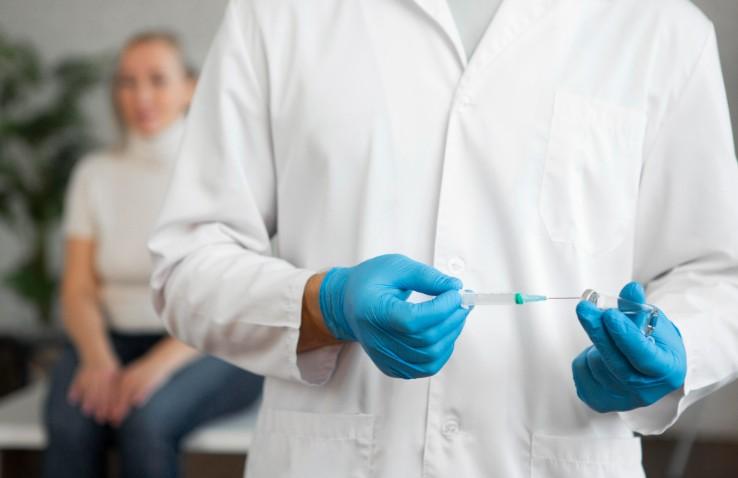
Hormones influence many essential functions in the body, including reproductive health, metabolism, energy, sleep, mood, and the body’s response to everyday demands. Because hormone levels can change throughout the day and are converted into different metabolites as they are processed, a single blood measurement may not always provide a complete picture.
This is where the Dutch Test in Dubai can offer a more detailed approach to hormone assessment. DUTCH stands for Dried Urine Test for Comprehensive Hormones. It uses carefully timed dried urine samples to evaluate sex hormones, adrenal hormones, hormone metabolites, and, depending on the selected panel, additional biomarkers.
At EV Clinic Dubai, DUTCH testing is offered as part of a functional approach to understanding hormone patterns and metabolism. The information obtained from testing can be reviewed alongside symptoms, medical history, lifestyle factors, and other clinical findings to help develop a more individualized approach to hormone care.
What Is the Dutch Test?
The DUTCH Test is a comprehensive hormone assessment based primarily on dried urine samples collected at specific times. Rather than simply measuring a hormone at one moment, the testing process can examine both hormones and the metabolites produced when the body processes them.
The available DUTCH panels can assess sex hormones, adrenal hormones, cortisol patterns, hormone metabolites, and other biomarkers. The DUTCH Complete, for example, evaluates estrogen, progesterone, testosterone, DHEA-S, cortisol and their metabolites, along with selected additional markers.
This broader assessment can be particularly useful when symptoms appear to involve several aspects of hormonal function rather than one isolated hormone.
Why Hormone Metabolites Matter
Hormones do not remain unchanged in the body. After performing their biological functions, many steroid hormones are converted into metabolites through metabolic pathways before they are eliminated.
For example, the DUTCH approach can examine estrogen metabolites alongside estrogen itself. This provides additional information about how estrogen is being processed rather than looking only at the circulating hormone level.
Understanding these patterns may give a healthcare professional more information when evaluating hormone-related symptoms and deciding whether additional assessment is appropriate.
How Advanced Hormone Testing Works
The Dutch Test in Dubai follows a structured collection and laboratory analysis process.
Step 1: Clinical Assessment
Testing generally begins with a consultation. A healthcare professional reviews relevant symptoms, medical history, menstrual or reproductive status when applicable, medications, supplements, and the reason for testing.
This initial assessment is important because hormone results should be interpreted in context rather than treated as isolated numbers.
Step 2: Selecting the Appropriate DUTCH Panel
Different DUTCH panels are designed for different clinical questions. Available options include assessments focused on sex hormones, adrenal hormones, cortisol, organic acids, and cycle mapping. There are also combined options such as DUTCH Complete and DUTCH Plus.
The appropriate panel depends on the individual's circumstances and the information the healthcare professional wants to evaluate.
Step 3: Collecting Dried Urine Samples
One of the distinctive features of DUTCH testing is the use of dried urine collection.
Instead of collecting a large container of urine over an entire day, patients generally collect several smaller urine samples at specified times. These samples are placed onto specially designed collection strips and allowed to dry. The dried samples can then be sent to the laboratory for analysis.
This method makes the collection process relatively convenient and allows samples to be handled and transported without requiring liquid urine to be shipped.
Step 4: Laboratory Analysis
Once the samples reach the laboratory, sophisticated analytical techniques are used to quantify hormones and metabolites.
DUTCH testing utilizes mass-spectrometry-based methods for many of its measurements, including LC-MS/MS and GC-MS/MS depending on the analyte. Research published on the DUTCH methodology has reported strong agreement between dried and liquid urine measurements for several hormone-related analytes.
Step 5: Comprehensive Results
The final report presents the findings in a structured format, making it possible for a healthcare professional to evaluate hormone concentrations, metabolites, and patterns together.
Rather than focusing on one isolated result, the report can provide a broader picture of hormone production and metabolism.
What Hormones Does the DUTCH Test Evaluate?
The exact biomarkers depend on the panel selected. A comprehensive DUTCH panel can include several important categories.
Estrogen and Estrogen Metabolites
Estrogen testing may include hormones such as estrone, estradiol, and estriol, as well as several estrogen metabolites.
This can provide information about estrogen levels and the pathways through which estrogen is metabolized.
For women experiencing cycle-related symptoms or undergoing hormonal evaluation, this additional metabolic information can complement conventional hormone testing.
Progesterone and Its Metabolites
Progesterone and its metabolites can also be assessed. Progesterone is particularly relevant to reproductive and menstrual health.
Evaluating progesterone metabolites alongside other reproductive hormones can help provide a more comprehensive hormonal profile.
Testosterone and Androgens
The DUTCH approach can evaluate testosterone and several androgen-related metabolites. It can also include DHEA-S and other androgen markers.
These measurements may be considered when evaluating symptoms that could be associated with androgen balance, depending on the individual's clinical situation.
Cortisol and Cortisone
Cortisol is another important component of DUTCH testing.
Unlike a single cortisol measurement, dried urine testing can evaluate cortisol at several points during the day, helping illustrate its daily pattern. It can also assess cortisone and metabolized cortisol.
This is relevant because cortisol naturally follows a daily rhythm rather than remaining constant throughout the day.
Understanding the Cortisol Pattern
Cortisol is often described as the body's primary stress-related hormone, but its role is much broader. It participates in metabolism, energy regulation, immune function, and the body's response to physiological demands.
Why Timing Matters
Cortisol changes throughout the day. Measuring it at only one point may provide limited information about its overall daily pattern.
DUTCH testing can use multiple samples to create a diurnal cortisol profile. Research on dried urine cortisol testing has found good to excellent agreement between four-spot urine collection and 24-hour urine collection for several cortisol-related measurements.
Cortisol Awakening Response
Some DUTCH panels, including DUTCH Plus, add the Cortisol Awakening Response, commonly referred to as CAR.
This evaluates cortisol changes around the time of waking and provides another perspective on the body's daily cortisol regulation.
How the Dutch Test Differs From Traditional Hormone Testing
Traditional hormone testing commonly relies on blood samples. Blood testing remains an important clinical tool and can be highly useful for measuring many hormones and other health markers.
The DUTCH approach differs primarily in what it measures and how samples are collected.
Blood Testing
A blood test provides a measurement of hormones circulating in the bloodstream at the time the sample is taken. It can be highly valuable for conventional medical evaluation.
However, hormone levels can fluctuate, meaning timing can influence the result.
Saliva Testing
Saliva can be used for specific hormone assessments, particularly certain cortisol measurements. It may allow multiple samples to be collected throughout the day.
Dried Urine Testing
DUTCH testing uses multiple dried urine samples to evaluate hormones and their metabolites. This makes it possible to examine patterns and metabolic pathways in addition to individual hormone measurements.
Research published by the DUTCH laboratory has reported strong correlations between dried and liquid urine measurements and between four-spot and 24-hour urine collections for multiple analytes.
Who May Consider a Dutch Test in Dubai?
The suitability of DUTCH testing depends on individual circumstances and should be determined with a qualified healthcare professional.
Women With Hormonal Concerns
A comprehensive hormone evaluation may be considered for women experiencing symptoms that could be associated with hormonal changes, including menstrual irregularities, changes around perimenopause or menopause, or concerns related to reproductive hormones.
People Exploring Menopause and Perimenopause
Changes in estrogen, progesterone, and other hormones can occur during the transition toward menopause.
A comprehensive hormonal assessment can provide additional information that may be considered alongside symptoms and conventional clinical evaluation.
Individuals Exploring Fertility-Related Hormones
Reproductive hormones have an important role in the menstrual cycle and fertility.
DUTCH testing may provide additional information about reproductive hormones and their metabolites, although it should be considered as one component of a broader fertility evaluation rather than a standalone fertility assessment.
People Experiencing Hormone-Related Symptoms
Symptoms such as changes in energy, sleep, mood, body composition, menstrual patterns, or libido can have many possible causes.
A healthcare professional may consider comprehensive hormone testing when the clinical history suggests that additional hormonal information could be useful.
People Using Hormone Therapy
Certain DUTCH methodologies have been studied for monitoring some forms of hormone replacement therapy, including transdermal estrogen.
Whether testing is appropriate during hormone therapy depends on the treatment being used and the specific clinical question.
Benefits of Comprehensive Hormone Testing
A Broader Hormonal Picture
One of the main features of the Dutch Test in Dubai is its ability to evaluate several hormones and metabolites together.
This can provide more context than looking at one hormone independently.
Assessment of Hormone Metabolism
The test can provide information about how certain hormones are metabolized. For estrogen in particular, several metabolites can be measured to show different metabolic pathways.
Multiple Samples Throughout the Day
Collecting samples at different times allows certain hormone patterns, especially cortisol patterns, to be assessed across the day.
Convenient Sample Collection
Dried urine collection eliminates the need to transport large volumes of liquid urine. DUTCH information states that patients typically collect four or five dried urine samples over a 24-hour period, depending on the specific test.
Dutch Test and Women's Hormonal Health
Women's hormones change naturally throughout the menstrual cycle and across different stages of life.
Menstrual Cycle Evaluation
For cycling women, hormone patterns may be influenced by the phase of the menstrual cycle. Specialized DUTCH panels can incorporate cycle mapping to provide more context around reproductive hormones.
Perimenopause
During perimenopause, hormone production can become more variable. Symptoms may also change over time.
A comprehensive assessment may help a healthcare professional understand hormone-related findings alongside the individual's symptoms and stage of reproductive transition.
Menopause
During menopause, estrogen and progesterone production changes significantly. Hormone testing may be considered when the clinical situation calls for additional information.
The interpretation should always account for age, menstrual status, symptoms, medications, and the overall clinical picture.
Dutch Test and Men's Hormonal Health
Although DUTCH testing is frequently discussed in relation to women's health, comprehensive hormone testing can also be relevant to men.
Testosterone Assessment
Testosterone and androgen metabolites can be included in DUTCH panels. These markers may be considered when evaluating symptoms potentially associated with androgen balance.
DHEA-S
DHEA-S is an adrenal androgen that can also be included in comprehensive hormone testing. Reviewing it alongside other hormone markers may provide additional context for a healthcare professional.
Cortisol Patterns
Cortisol assessment can be relevant for both men and women because cortisol follows a daily rhythm and participates in several physiological processes.
What Happens After the Dutch Test?
Testing is only one part of the process. The most important stage is interpreting the results appropriately.
Professional Result Interpretation
A healthcare professional can review the report in relation to symptoms, medical history, medications, supplements, lifestyle factors, and other laboratory findings.
A hormone result should not automatically be interpreted as a diagnosis simply because it falls outside a reference range.
Creating an Individualized Plan
Depending on the findings, the healthcare professional may recommend lifestyle adjustments, additional laboratory testing, monitoring, or other appropriate interventions.
At EV Clinic Dubai, the purpose of comprehensive testing is to support a personalized understanding of hormonal health rather than relying on a one-size-fits-all approach.
Preparing for a Dutch Test
Preparation can vary according to the specific DUTCH panel and an individual's circumstances.
Follow Collection Instructions Carefully
Because the test relies on timed samples, following the collection instructions accurately is important.
The healthcare provider or testing instructions should explain when samples should be collected and how they should be stored.
Provide Medication and Supplement Information
Hormonal medications, supplements, and other treatments can influence test interpretation. It is therefore important to provide the healthcare professional with accurate information about everything being taken.
Patients should not discontinue prescribed medication simply to prepare for testing unless their healthcare professional specifically instructs them to do so.
Discuss Menstrual Cycle Timing
For women who are still menstruating, cycle timing may be important for certain DUTCH panels. The appropriate collection schedule should be confirmed with the healthcare provider before testing.
Why Choose Advanced Hormone Testing in Dubai?
Dubai has become an important destination for modern healthcare and wellness services, with increasing interest in personalized approaches to hormonal health.
The Dutch Test in Dubai offers a structured way to examine hormones and metabolites using convenient dried urine collection.
At EV Clinic Dubai, patients can discuss their symptoms and health goals with a healthcare professional to determine whether comprehensive hormone testing is appropriate and which testing approach best matches their needs.
Frequently Asked Questions About the Dutch Test
What does DUTCH stand for?
DUTCH stands for Dried Urine Test for Comprehensive Hormones. It is a group of hormone testing methods that evaluate sex hormones, adrenal hormones, and hormone metabolites, with additional biomarkers available in certain panels.
Is the Dutch Test a blood test?
No. DUTCH testing primarily uses dried urine samples. Multiple samples may be collected at specific times throughout the day, depending on the selected panel.
How many samples are collected?
Many DUTCH panels use four or five dried urine samples collected over a 24-hour period, although the exact collection requirements depend on the specific test.
Does the test measure cortisol?
Yes. Comprehensive DUTCH testing can assess free cortisol patterns, cortisol metabolites, and cortisone. Certain panels also evaluate the Cortisol Awakening Response.
Can the Dutch Test measure estrogen metabolites?
Yes. Depending on the selected panel, DUTCH testing can measure estrogen and several estrogen metabolites, providing information about estrogen metabolism.
Can men take a DUTCH Test?
Yes. DUTCH panels can assess hormones relevant to men, including testosterone, DHEA-S, androgen metabolites, and cortisol.
Can the Dutch Test be used during hormone therapy?
Certain DUTCH testing methods have been studied for monitoring some forms of hormone therapy. Whether it is appropriate depends on the specific medication, route of administration, treatment goal, and clinical situation.
How long does it take to get results?
Turnaround time depends on the laboratory and specific panel. The DUTCH testing provider currently reports an average turnaround of approximately 6–7 days for its testing.
Is the Dutch Test suitable for everyone?
Not necessarily. The appropriate type of hormone testing depends on the individual's symptoms, health history, medications, reproductive status, and clinical goals. A healthcare professional can determine whether DUTCH testing is suitable.
Conclusion
The Dutch Test in Dubai represents a more comprehensive approach to hormone assessment by combining multiple timed dried urine samples with analysis of hormones and their metabolites. Instead of focusing exclusively on a single hormone measurement, the testing approach can provide information about reproductive hormones, adrenal hormones, cortisol patterns, and hormone metabolism.
Its dried urine collection method also offers a convenient alternative to collecting large volumes of liquid urine, while research has demonstrated strong agreement between dried and liquid urine measurements for several analytes.
For individuals exploring hormonal health, menstrual or reproductive concerns, menopause-related changes, androgen balance, or cortisol patterns, EV Clinic Dubai can provide an opportunity to discuss whether comprehensive DUTCH testing is appropriate. The results are most useful when interpreted by a qualified healthcare professional who can connect the laboratory findings with the individual's symptoms, history, and overall health goals.

 Arabic
 French
 Spanish
 Portuguese
 Deutsch
 Turkish
 Dutch
Dutch
 Italiano
 Russian
 Romaian
 Portuguese (Brazil)