
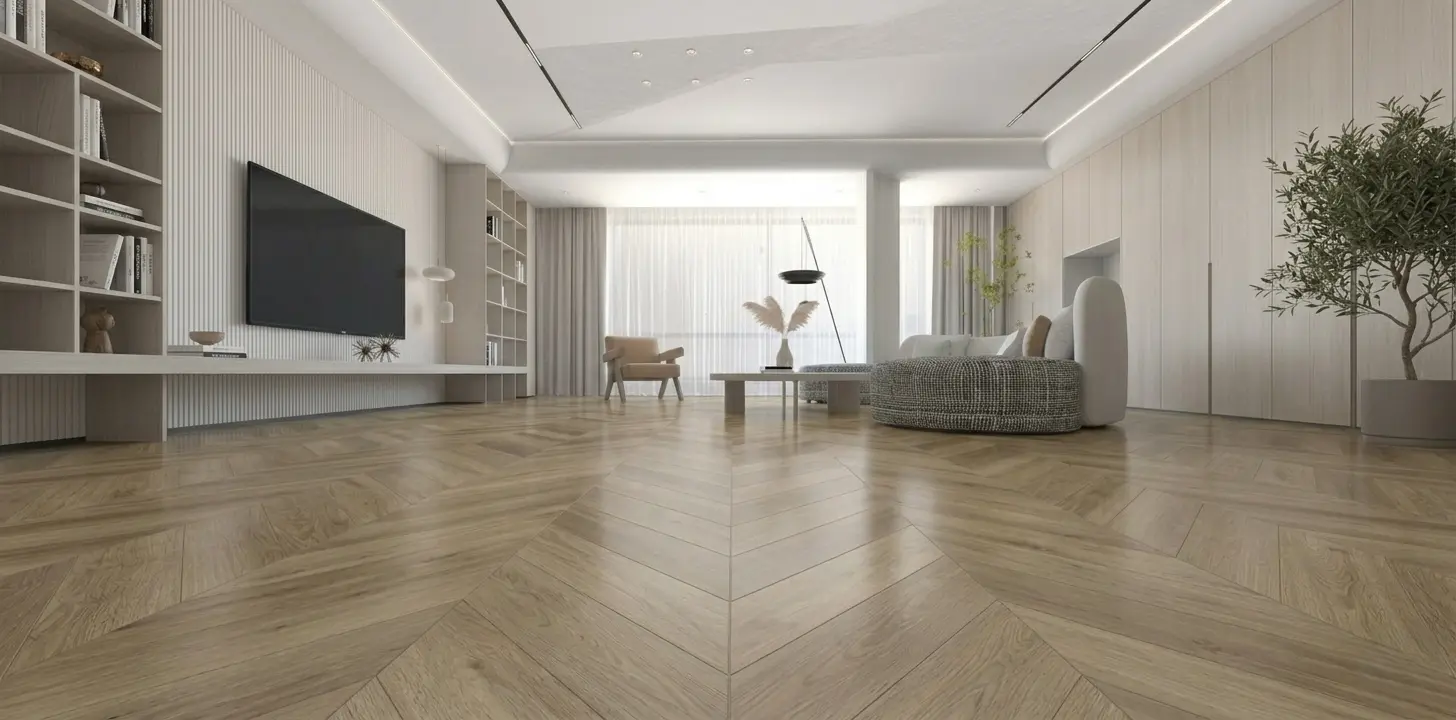
Flooring plays a major role in how a space looks, feels, and holds up over time. Among the many options available today, LVT Flooring Dubai has become a popular choice for those looking for a durable, stylish, and low-maintenance surface. Whether renovating a home or fitting out a commercial space, understanding how LVT flooring works can help you decide if it's right for your project.
What Is LVT Flooring?
LVT, or Luxury Vinyl Tile flooring, is a type of vinyl flooring engineered to replicate the look of natural materials like wood and stone while offering greater durability and easier upkeep. Unlike traditional vinyl flooring, LVT floor tiles are built in multiple layers, including a protective wear layer, a printed design layer, and a stable core, giving them a realistic appearance and longer lifespan. This layered construction is what sets LVT flooring apart from basic vinyl sheets or standard tiles.
Main Features of LVT Flooring
One of the biggest advantages of LVT flooring is its durability. The wear layer protects against scratches, dents, and daily wear, making it a strong choice for busy households and high-traffic commercial areas. LVT flooring is also largely waterproof, suiting kitchens, bathrooms, and other moisture-prone areas where traditional wood flooring may not perform as well. Comfort underfoot is another benefit — the layered structure gives LVT a slightly softer feel compared to hard tile or stone. Maintenance is simple too, typically requiring just regular sweeping and occasional damp mopping.
LVT Designs: Wood, Stone and Modern Patterns
Luxury vinyl tile flooring is available in a wide range of designs, with wood-look and stone-look options being the most popular. Wood-look LVT replicates the warmth and grain patterns of natural timber, making it ideal for living rooms, bedrooms, and spaces that call for a cozy, classic feel. Stone-look designs mimic the texture of marble, concrete, or natural stone, offering a sleek, modern appearance well suited to kitchens, hallways, and commercial interiors. Beyond these, many modern patterns and tile layouts are available, allowing for creative flexibility depending on the room's overall interior design.
Where Can LVT Flooring Be Used?
Thanks to its durability and water resistance, LVT flooring works well in almost any space. It performs particularly well in kitchens, bathrooms, and laundry areas where moisture resistance is essential, as well as in living rooms, bedrooms, and hallways where daily foot traffic is common. Its versatility also makes it a practical option for offices, retail stores, and other commercial spaces that need flooring capable of handling constant use without frequent replacement.
LVT Flooring for Homes
For residential flooring, LVT offers an appealing balance of style and practicality. Homeowners get the visual warmth of wood-look or stone-look designs without the maintenance demands of natural materials. It's especially useful in family homes, where spills, foot traffic, and pets are part of daily life, since the surface resists scratches and moisture far better than traditional hardwood.
LVT Flooring for Offices and Commercial Spaces
Commercial LVT flooring is widely used in offices, retail outlets, and hospitality spaces due to its ability to withstand heavy footfall while maintaining a polished appearance. Its consistent surface also makes cleaning easier across large areas, a practical advantage for businesses managing daily upkeep. LVT's design flexibility also allows commercial spaces to achieve a professional, modern look without the higher costs typically associated with natural stone or hardwood.
Important Factors Before Installation
Before starting LVT flooring installation, subfloor condition should be checked carefully, as an uneven or damp subfloor can affect how well the tiles adhere and perform over time. Room usage is another key consideration — high-traffic or moisture-prone areas may benefit from thicker wear layers for added durability. Design choice should align with the room's purpose and existing décor, while budget planning should account for both material and installation costs, since pricing can vary based on thickness, design quality, and finish.
Cleaning and Maintenance Requirements
LVT flooring maintenance is straightforward compared to many other materials. Routine sweeping or vacuuming removes surface dust, while occasional mopping with a mild cleaner keeps the surface looking fresh. Avoiding excessive water pooling and harsh abrasive cleaners helps preserve the wear layer's protective qualities.
LVT Flooring vs Other Flooring Options
Compared to hardwood, LVT flooring offers better moisture resistance and lower maintenance at a more accessible price point. Compared to ceramic or stone tiles, it provides added comfort underfoot and a warmer feel, along with easier installation in many cases. While natural materials offer unique textures, LVT flooring provides a practical middle ground — combining durability, design flexibility, and cost-efficiency in one solution.
Common Mistakes to Avoid
A common mistake is installing LVT flooring over an improperly prepared subfloor, which can lead to uneven surfaces or premature wear. Choosing a wear layer too thin for a high-traffic space is another frequent oversight, as is selecting a design without considering how it complements the room's existing colour scheme. Skipping proper acclimation of the tiles before installation can also affect how well they settle.
Conclusion
LVT flooring offers a practical, durable, and visually versatile solution for both residential and commercial spaces. From wood-look warmth to modern stone-inspired designs, it adapts easily to different interiors while standing up to daily wear and moisture. For those exploring flooring options suited to their space and budget, LVT Flooring Dubai offers a practical starting point for finding the right fit.

 Arabic
 French
 Spanish
 Portuguese
 Deutsch
 Turkish
 Dutch
Dutch
 Italiano
 Russian
 Romaian
 Portuguese (Brazil)