
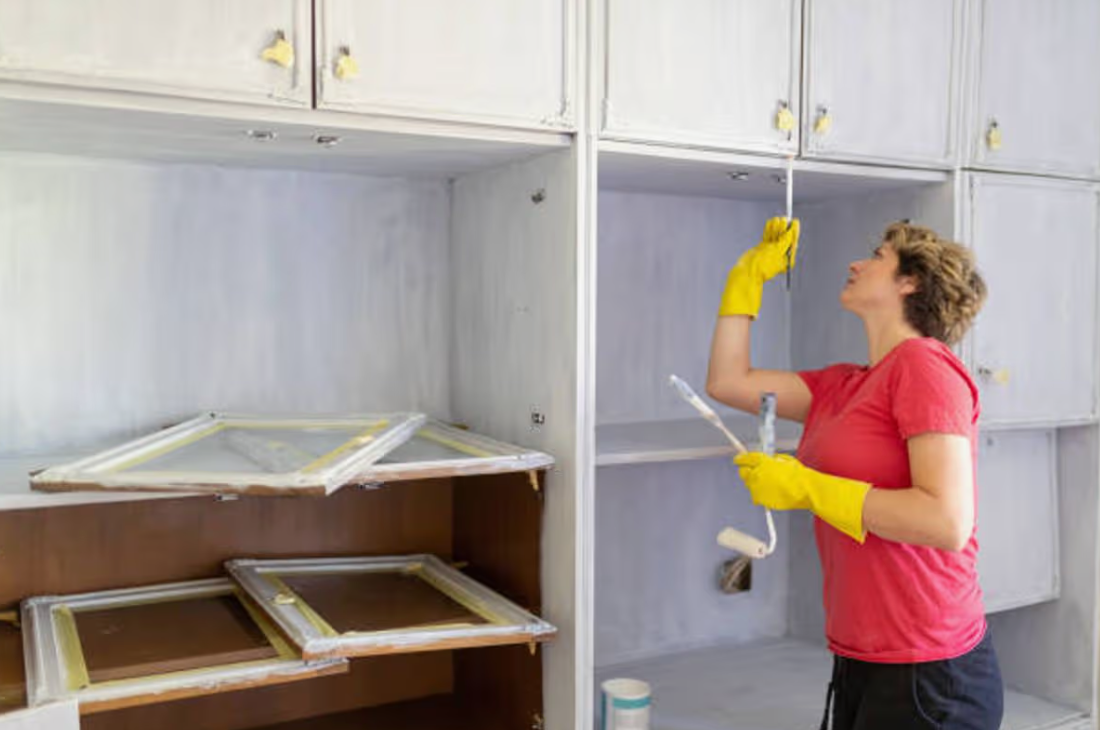
A kitchen does not always need a complete renovation to feel fresh and modern. Sometimes, changing the cabinets is enough to transform the entire room. This is why many homeowners choose to hire professional cabinet painters instead of replacing their existing cabinetry. With the right preparation, quality paint, and careful application, older cabinets can look clean, stylish, and completely refreshed.
Learning how to paint kitchen cabinets can also help homeowners understand what goes into achieving a professional-looking finish. Although painting cabinets may seem like a simple weekend project, the process requires patience, proper tools, and attention to detail. A small mistake in preparation can lead to peeling paint, visible brush marks, or an uneven finish.
Why Paint Kitchen Cabinets?
Kitchen cabinets are one of the most noticeable features in a kitchen. Over time, they can become scratched, stained, faded, or simply outdated. Replacing them can be expensive, especially when the existing cabinets are still structurally sound.
Painting provides a more affordable way to change their appearance. A new color can make a dark kitchen feel brighter, give an older kitchen a modern appearance, or help coordinate cabinets with new countertops and flooring.
White, cream, gray, navy, green, and other neutral shades are popular choices, but the best color depends on the style of the home and the atmosphere the homeowner wants to create.
What Do Professional Cabinet Painters Do?
Professional cabinet painters focus on more than simply applying paint. They understand that preparation is one of the most important parts of the project.
The first step usually involves removing cabinet doors, drawers, and hardware. Each piece can then be cleaned thoroughly to remove grease, cooking residue, dust, and other buildup. This matters because paint does not adhere properly to a dirty or greasy surface.
After cleaning, the surfaces may need light sanding or other preparation to create a suitable surface for primer and paint. Damaged areas, cracks, dents, or small imperfections may also be repaired before painting begins.
Professional painters also protect countertops, floors, appliances, walls, and other areas from dust and paint. Careful preparation helps create cleaner edges and a more consistent finish.
How to Paint Kitchen Cabinets Properly
For homeowners considering a DIY project, understanding the basic process can be helpful.
1. Remove the Doors and Hardware
Begin by removing cabinet doors, drawers, handles, knobs, and hinges. Labeling each door and its hardware can make reassembly much easier later.
Painting doors while they are removed also allows better access to edges and corners.
2. Clean the Cabinets
Kitchen cabinets collect grease and residue, particularly around handles and cooking areas. Use an appropriate cleaning solution to remove this buildup.
Allow the surfaces to dry completely before moving on to sanding or priming.
3. Prepare the Surface
Light sanding can help create a surface that primer can grip. The goal is generally to prepare the existing finish rather than aggressively remove every layer.
After sanding, remove dust carefully. Any remaining dust can become trapped in the paint and affect the final appearance.
4. Apply Primer
Primer creates an important foundation for the new finish. It can improve adhesion and help create a more uniform appearance, especially when changing from a dark cabinet color to a much lighter shade.
The appropriate primer depends on the existing cabinet material and finish.
5. Apply Cabinet Paint
Once the primer has dried according to the manufacturer's instructions, apply the cabinet paint in thin, even coats. Several light coats often provide a better result than one thick coat.
Allow sufficient drying time between coats. Rushing this stage can cause fingerprints, smudges, sticking doors, and uneven coverage.
6. Let Everything Cure
Dry and cured are not always the same thing. Paint may feel dry to the touch while still being vulnerable to scratches or damage.
Give the cabinets enough time to cure before reinstalling doors and using the kitchen normally.
Choosing the Right Paint
The type of paint matters when you paint kitchen cabinets because cabinets experience frequent handling. Doors and drawers are opened repeatedly, while surfaces may be exposed to moisture, heat, and occasional spills.
Look for a durable cabinet or furniture coating designed for high-use surfaces. The finish should be easy to clean and resistant to everyday wear.
Sheen also affects the final appearance. Satin and semi-gloss finishes are common choices because they provide durability while being relatively easy to clean. However, the ideal finish depends on the cabinet style and the desired look.
DIY or Professional Cabinet Painters?
Painting cabinets yourself can save money, but it can also require significant time. Homeowners need to purchase cleaning products, sanding supplies, primer, paint, brushes, rollers, or spraying equipment.
There is also the challenge of creating a smooth, consistent finish. Cabinets have corners, edges, recessed panels, and detailed areas that can be difficult to paint evenly.
Experienced cabinet painters have the equipment and techniques needed to handle these details. They can also help homeowners choose suitable products and colors for the project.
Hiring a professional may be especially useful when there are many cabinets or when the homeowner wants a factory-like finish.
Common Mistakes to Avoid
One of the biggest mistakes is skipping cleaning. Paint applied over grease or residue may not adhere properly.
Another common problem is applying coats that are too thick. Thick paint can drip, take longer to dry, and produce an uneven surface.
Failing to allow enough drying or curing time is another issue. Cabinets need time to become durable enough for regular use.
Homeowners should also avoid choosing paint based only on color. Durability, adhesion, cleaning requirements, and the existing cabinet material should all be considered.
How Much Can Cabinet Painting Change a Kitchen?
The visual difference can be surprisingly dramatic. Cabinets occupy a large amount of wall space, so changing their color can influence the entire room.
For example, light-colored cabinets can make a smaller kitchen appear more open, while deeper colors can create a dramatic and sophisticated appearance. Pairing freshly painted cabinets with updated hardware can make the transformation even more noticeable.
The advantage is that homeowners can change the style without removing cabinets that are otherwise in good condition.
Maintaining Newly Painted Cabinets
Once the project is complete, proper maintenance can help preserve the finish. Clean spills promptly and use gentle cleaning products appropriate for the paint.
Avoid abrasive pads that can scratch the surface. Cabinet doors and drawers should also be handled normally rather than slammed or pulled excessively.
Over time, small marks may appear because kitchens are busy spaces. Keeping the cabinets clean and addressing minor damage early can help maintain their appearance.
Final Thoughts
Painting cabinets is one of the most effective ways to refresh a kitchen without committing to a complete cabinet replacement. Whether you choose a DIY project or hire experienced cabinet painters, preparation and product selection are essential to achieving a durable, attractive result.
If you want to paint kitchen cabinets, start by evaluating the condition of your existing cabinets, choosing a color that complements the room, and deciding whether you have the time and tools to complete the work properly. When the cabinets are structurally sound, a professional paint job can give them an entirely new personality while helping homeowners create a kitchen they enjoy using every day.

 Arabic
 French
 Spanish
 Portuguese
 Deutsch
 Turkish
 Dutch
Dutch
 Italiano
 Russian
 Romaian
 Portuguese (Brazil)