
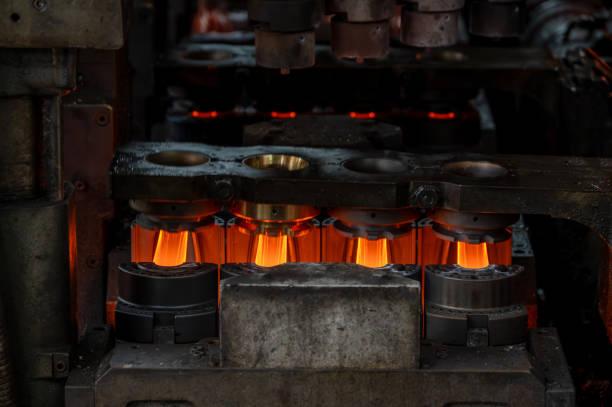
Many new and established brands default to ready-made stock glass containers and drinkware for their product lines. Off-the-shelf items are convenient for quick orders, yet they offer very little room to reflect unique brand personality. If you hope to stand out on retail shelves, create memorable customer gifts or deliver premium-grade packaging, bespoke glass customization is a powerful solution. Working with a full-service glass manufacturer like Hengjing turns your creative concepts into finished physical goods, covering everything from initial sketches all the way through mass production and final shipment.
Custom glass solutions serve an impressively wide range of market segments. Spirits businesses can order tailor-made baijiu, brandy or whisky bottles, alongside custom decanters and liquor cups for product sets. Hospitality buyers may need personalized wine glasses and promotional drinkware for hotel bars and restaurant service. Home decor clients can develop custom vases and engraved decorative glass pieces. Even cosmetic brands benefit greatly from custom lotion bottles, perfume containers and reed-diffuser vessels. No matter which category your business belongs to, one-stop glass manufacturing supports diverse shape, capacity and decorative requirements.
Before launching a custom project, buyers should understand the full scope of available customization options. Beyond unique shapes and volumes, surface decoration brings designs to life. Factories can deliver spray painting, electroplating, sandblasting, manual and laser engraving, high- or low-temperature baked labels, plus grinding and polishing treatments. Bottle closures are also customizable, including glass stoppers, oak stoppers and alternative lid materials. These choices allow brands to match every visual detail to existing brand guidelines, rather than adjusting their vision to fit pre-existing stock items.
Minimum order quantity is one critical factor every buyer must plan for, and MOQ scales closely with product size. Larger glass containers above one litre start at 3,000 pieces. For 350-1000-millilitre items the minimum rises to 6,000 units. Containers between 100 and 350 ml require 10,000 pieces. Small-format 50-100 ml glassware needs 15,000 units, while miniature glass products under 50 ml carry a 20,000-piece minimum. These thresholds reflect mould setup and production costs for custom work, so brands should align their project budget and sales forecast with these figures before submitting a brief.
The custom production workflow follows a clear, structured sequence to reduce miscommunication and quality risk. First, customers provide reference samples or technical drawings. The factory’s design team creates formal product drawings for client review, and a quotation is delivered within 24 hours after design confirmation. Buyers may opt for a 3D prototype for visual review; once approved, physical sample manufacturing begins. Physical samples typically take 10-15 working days. Only after full sample confirmation will mass production start. Finally, finished goods move into packaging and logistics for delivery to your location. The structured timeline helps project managers set realistic launch schedules.
Choosing the right glass manufacturing partner makes or breaks your custom project, and reliable factories deliver multiple layers of guarantees. Confidentiality agreements can be signed, ensuring 100 % of copyright for custom-developed designs belongs to the customer. In-house professional designers translate your ideas into production-ready drawings while keeping artistic intent intact. Strict sample-verification protocols minimize quality gaps between prototype samples and mass-produced goods. Experienced technical teams and diversified equipment handle complex shapes and decorative finishes. In addition, dedicated sales representatives provide consistent pre-sales and after-sales support throughout the whole order cycle.
Of course, custom glass is not the perfect fit for every situation. For short-term events or very small test runs with low forecast volume, stock glassware may remain the more practical choice. Customization shines brightest for brands building long-term product lines that want distinct shelf differentiation. Unique glass packaging and drinkware becomes part of your brand story; customers remember and recognize your distinct vessel shape, engraving or colour finish long after their purchase.
In conclusion, bespoke glass customization offers far more than cosmetic changes to standard cups and bottles. It gives brands ownership over every dimension, decoration and detail of their glass goods. By learning about MOQ rules, following the standardized development workflow and selecting a trustworthy factory partner, you can smoothly transform creative ideas into market-ready glass products that strengthen brand image and customer loyalty.

 English
 Arabic
 French
 Spanish
 Portuguese
 Deutsch
 Dutch
Dutch
 Italiano
 Russian
 Romaian
 Portuguese (Brazil)