
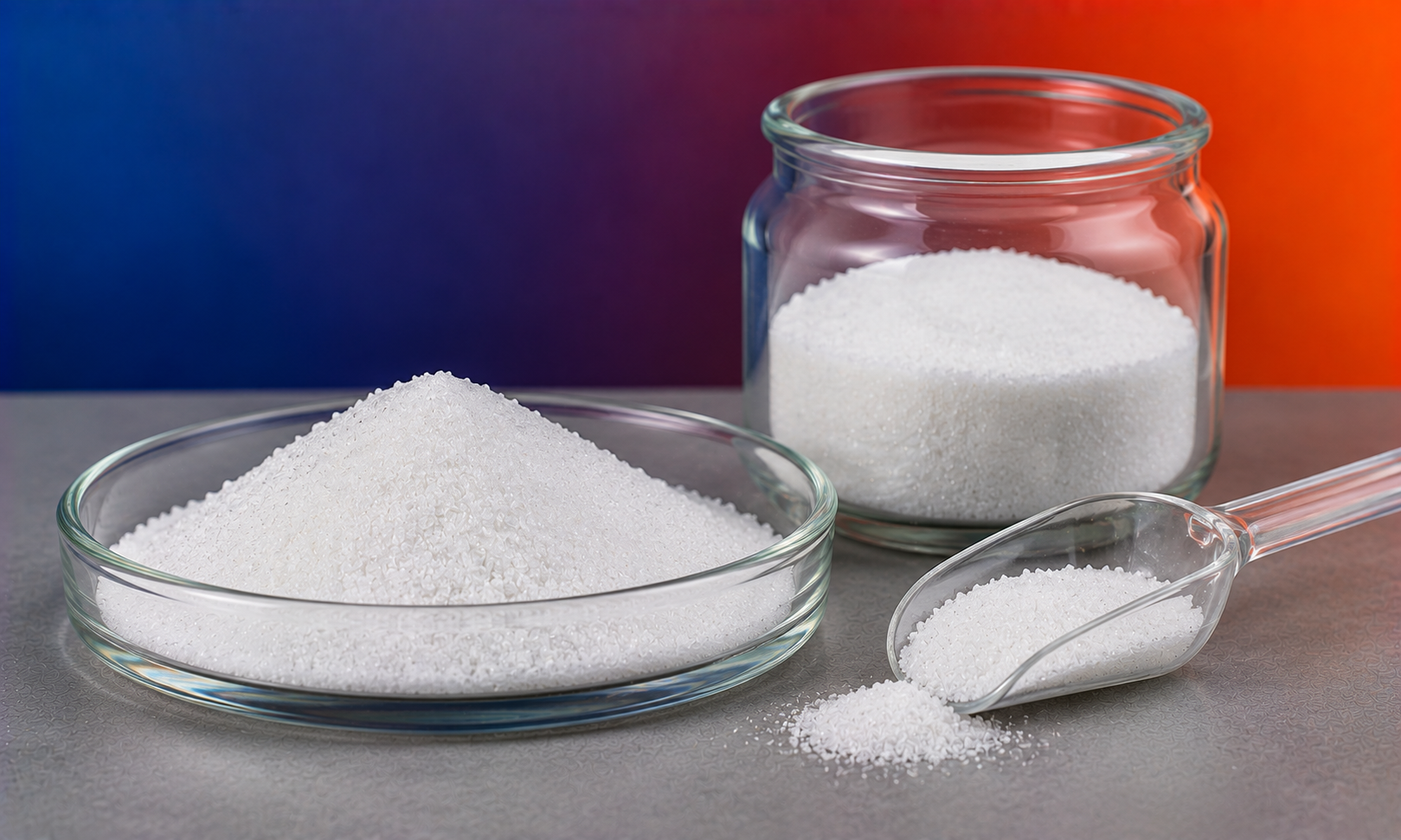
Glycine Price Trend Q2 2026: What China and India Rates Are Telling Buyers
June 2026 brought a fresh set of numbers worth sitting with. China's glycine is priced at USD 1,750.43/MT FOB. India's landed cost comes in higher, USD 1,837.97/MT CIF. Not a wild gap. But not one to shrug off either, especially if you're placing orders this quarter.
Glycine isn't a glamorous chemical. It shows up in food additives, pharmaceuticals, animal feed, personal care products. Quiet ingredient, everywhere at once. When its price moves, a lot of downstream formulations feel it eventually, even if nobody notices right away.
Current Glycine Prices: China vs India
| Product | Region | Incoterm Basis | Price | Last Updated |
|---|---|---|---|---|
| Glycine | China | FOB | USD 1,750.43/MT | June 2026 |
| Glycine | India | CIF | USD 1,837.97/MT | June 2026 |
Work out the difference and it's USD 87.54 per metric ton. Multiply that across a bulk order and it adds up fast.
A few notes before jumping to conclusions:
- China's number is FOB. Buyer covers freight and insurance from the port onward.
- India's is CIF. Seller's already folded freight and insurance into the price.
- Both figures are from June 2026 only. Not a yearly average, not a forecast.
FOB and CIF aren't the same measuring stick. Part of that USD 87.54 gap exists simply because the two prices are counting different things. Still worth tracking side by side, just don't read it as a pure apples-to-apples comparison.
What's Behind the Glycine Price Trend
Q: Does feedstock cost actually matter that much for glycine?
It does. Glycine production leans on chloroacetic acid and ammonia as core inputs. Either one gets pricier, glycine follows within weeks. Producers don't have thick margins to absorb spikes quietly.
Q: What about demand? Is China or India pulling more weight there?
China's the bigger producer by volume, feeding both domestic use and exports. India imports a meaningful share, which is a large part of why its landed price runs above China's FOB figure. Different roles, different exposure to cost swings.
Freight adds another layer here. Bunker fuel costs, container availability, port delays. None of that shows up in the raw production cost, but it shows up in what buyers actually pay. A congested shipping lane can widen the China-India spread on its own, no change in factory-gate pricing required.
Currency plays a part too. Glycine trades in dollars. Rupee weakness against the dollar raises India's effective cost even if the dollar price hasn't shifted an inch.
What This Means for Buyers and Investors
Sourcing teams eyeing China's FOB rate should remember it's not the full cost. Freight, insurance, customs handling. Add those in before comparing against India's all-in CIF number.
Investors watching India's higher landed cost might see it differently: a gap worth closing. Domestic glycine capacity in India has room to grow, and a persistent import premium tends to attract exactly that kind of investment over time.
Advisers working with pharma, food, or feed clients should treat glycine pricing as a leading indicator, not background noise. Formulation costs downstream tend to catch up with raw material shifts within a month or two.
Looking Ahead: Q2 2026 Outlook
Nobody can say with certainty where glycine prices land by September. What's reasonable to say is that the China-India spread likely holds through the rest of Q2, barring a major feedstock shock or shipping disruption.
Watch chloroacetic acid pricing. Watch freight rates out of Chinese ports. Those two variables will probably decide more of this quarter's movement than anything else on the table.
Locking contracts against June figures without checking for updates carries real risk. Prices this reactive don't stay put for long.
Conclusion
The glycine price trend for Q2 2026 puts China at USD 1,750.43/MT FOB and India at USD 1,837.97/MT CIF, both as of June 2026. Freight terms, import reliance, feedstock costs. All of it lands in that USD 87.54 spread. Anyone buying, investing, or advising in this space should treat these numbers as a working reference, updated often, not a fixed point.
FAQ Section
What is the current glycine price trend in China and India?
China's glycine sits at USD 1,750.43/MT FOB as of June 2026. India's is higher at USD 1,837.97/MT CIF. The difference reflects incoterm basis, freight costs, and India's reliance on imports over domestic production.
Why is glycine priced higher in India than in China?
India's figure already includes freight and insurance since it's CIF. China's FOB price doesn't. India also imports a larger share of its glycine supply, which pushes the landed cost up further before it even reaches a buyer's warehouse.
What raw materials drive glycine production costs?
Chloroacetic acid and ammonia are the main inputs. Price swings in either one tend to show up in glycine pricing within a few weeks, since producers don't carry much margin cushion to absorb cost increases quietly.
How stable are glycine prices month to month?
Not very. Feedstock costs, freight rates, and currency movements can shift pricing within weeks. The June 2026 figures here are a solid reference point, but buyers negotiating contracts should confirm current rates before locking anything in.
Where are glycine prices headed in Q2 2026?
The China-India spread should hold through the rest of Q2, assuming no major disruption in feedstock supply or shipping. Chloroacetic acid costs and freight rates out of China are the two factors most likely to move the needle from here.

 Arabic
 French
 Spanish
 Portuguese
 Deutsch
 Turkish
 Dutch
Dutch
 Italiano
 Russian
 Romaian
 Portuguese (Brazil)