
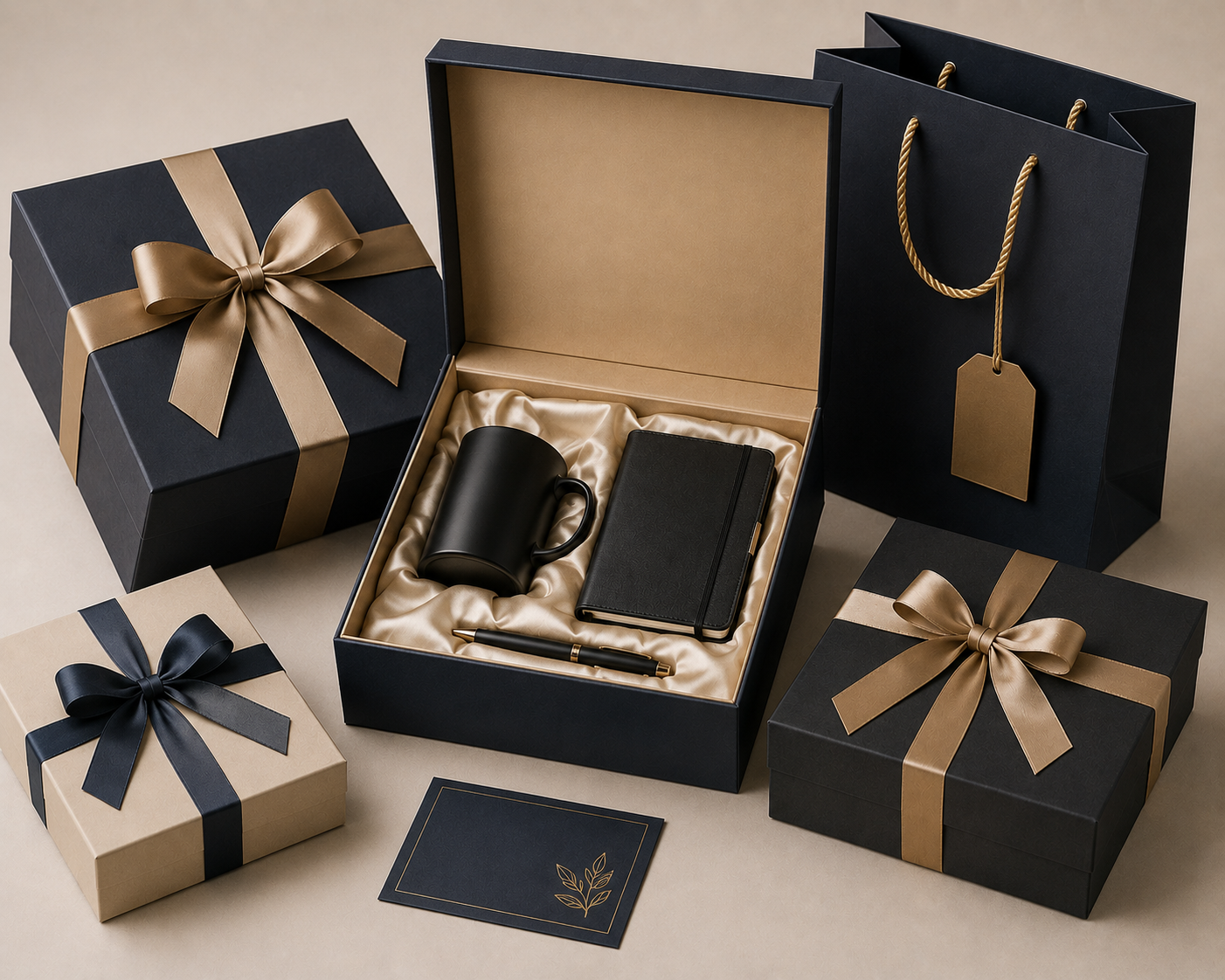
Elegant gift packaging does not always require expensive materials or elaborate designs. Often, the difference between ordinary and polished presentation comes down to thoughtful choices, clean details, and good coordination.
A beautifully presented gift can make the recipient feel valued before they even see what is inside. The good news is that you can create that feeling while keeping your packaging budget under control.
Start With a Simple Visual Direction
Before buying ribbons, boxes, paper, or decorative elements, decide what kind of look you want.
Think about the occasion, recipient, and overall mood. A simple design usually looks more refined when every element supports the same idea.
Choose One Clear Style
You could go for:
-
Minimal and modern
-
Warm and traditional
-
Soft and elegant
-
Festive and colorful
-
Natural and understated
Once you select a direction, it becomes easier to avoid unnecessary additions.
Let the Box Do Most of the Work
A well-shaped box can instantly make a gift look more organized.
A gift packing box gives the presentation a defined structure and creates a clean base for other details. Instead of covering the package with many decorations, focus on choosing a suitable size, shape, and finish.
A gift packing box can also make a modest gift feel more carefully prepared when the contents fit neatly inside.
The goal is not to make the package look expensive. It is to make it look intentional.
Use Color With Restraint
Too many colors can make packaging feel busy. A smaller color palette often creates a more sophisticated appearance.
Try the Two-Color Approach
Choose one primary color and one supporting shade.
For example:
-
Cream with deep green
-
White with soft blue
-
Beige with brown
-
Black with silver
-
Light pink with white
You can then use the same combination across the box, ribbon, card, and other small details.
Pay Attention to Proportions
Sometimes packaging looks elegant simply because everything is correctly sized.
A tiny box with an oversized ribbon may feel unbalanced. Likewise, a large box with a very small decorative element can appear incomplete.
Keep These Elements Balanced
Consider the relationship between:
-
Box size
-
Gift size
-
Ribbon width
-
Card size
-
Decorative elements
-
Label placement
Good proportions can make affordable materials look much more polished.
Choose Materials That Look Clean
You do not need premium materials for every part of the package.
Instead, prioritize materials that look neat and feel appropriate for the occasion.
Affordable Materials Can Still Look Refined
Consider:
-
Kraft paper
-
Matte paper
-
Cotton ribbon
-
Simple satin ribbon
-
Plain tissue paper
-
Cardstock tags
-
Reusable fabric
-
Minimal printed labels
The important factor is how the materials work together.
Add One Standout Detail
Elegant packaging often benefits from one memorable feature.
Rather than adding several decorations, choose a single detail that attracts attention.
Ideas for a Signature Touch
You could use:
-
A neatly tied ribbon
-
A personalized card
-
A small dried flower
-
A simple wax-style seal
-
A quality-looking tag
-
A contrasting inner lining
One carefully selected detail can create more visual impact than many unrelated decorations.
Make the Inside Look Just as Good
The outside of the package is only half of the presentation.
When the recipient opens the gift, the inside should feel organized and intentional.
Use Tissue Paper Strategically
Tissue paper is inexpensive and versatile. It can protect the gift while also creating layers inside the box.
Fold it neatly rather than simply placing it loosely around the product.
You can also use two complementary shades to create subtle depth.
Personalization Does Not Have to Be Expensive
A personal message can add more emotional value than an expensive decoration.
A simple handwritten or thoughtfully printed card can make the package feel prepared specifically for the recipient.
Keep the Message Short
A few genuine words are often enough.
You might include:
-
A thank-you message
-
A celebration note
-
A short appreciation message
-
The recipient's name
-
A message connected to the occasion
Personalization works best when it feels natural.
Use Ribbons Carefully
Ribbon is one of the easiest ways to change the appearance of a package.
But more ribbon does not necessarily mean better presentation.
Focus on Neatness
A simple bow with evenly arranged loops can look more elegant than a large, complicated arrangement.
Make sure:
-
The ribbon sits straight
-
The bow is centered
-
The ends are trimmed evenly
-
The material complements the box
Even an inexpensive ribbon can look polished when it is handled carefully.
Create Depth With Layers
Layers can make packaging feel more detailed without requiring expensive components.
For example, you can combine:
-
A simple outer box
-
Tissue paper
-
The gift
-
A small card
-
One decorative element
Each layer gives the recipient something to discover.
This approach creates an attractive opening experience without significantly increasing material costs.
Use Reusable Packaging Where Possible
Reusable packaging can be both practical and attractive.
A sturdy box can become part of the gift itself because the recipient may continue using it afterward.
Think Beyond the First Use
A reusable package can later hold:
-
Accessories
-
Stationery
-
Jewelry
-
Small household items
-
Documents
-
Personal keepsakes
When packaging has another purpose, its value extends beyond the initial presentation.
Avoid Unnecessary Decorations
A common misconception is that elegant packaging needs many decorative elements.
In reality, simplicity can often create a cleaner appearance.
Instead of adding several items, ask whether each element contributes something useful or attractive.
Follow the “Less but Better” Principle
Before finishing the package, remove anything that feels unnecessary.
You may discover that the design looks better with fewer elements.
Make Labels Look Professional
Labels are small, but they can strongly influence the final appearance.
Use readable fonts and keep the information short.
Simple Label Ideas
A label could contain:
-
Recipient's name
-
Short greeting
-
Occasion
-
Sender's name
Keep spacing consistent and avoid filling the entire label with text.
Choose Packaging Based on the Occasion
The same design does not work equally well for every event.
Birthday gifts can be playful. Corporate gifts may require a cleaner presentation. Wedding or anniversary gifts may suit softer and more refined details.
Match the Mood
Ask yourself what the recipient should feel when they see the package.
Then select materials and colors that support that feeling.
Shop With a Plan
Buying packaging items individually can quickly increase the total cost.
Before shopping, make a small list of everything required.
A Basic Budget-Friendly List
-
Boxes
-
Tissue paper
-
Ribbon
-
Cards or tags
-
Labels
-
Tape
-
Optional decorative detail
Buying materials that can work across several gifts may also help reduce overall spending.
Focus on Presentation, Not Price
An expensive package can still look ordinary if it is poorly arranged.
At the same time, simple materials can look sophisticated when they are clean, coordinated, and carefully assembled.
A gift packing box works best when it supports the gift rather than distracting from it. The right combination of proportion, color, texture, and presentation can create a premium-looking result without requiring a premium budget.
Small Details Create the Final Finish
Before giving the gift, take a moment to inspect it from different angles.
Check whether the ribbon is straight, the box is clean, the label is positioned correctly, and the contents are arranged neatly.
A Quick Final Check
-
Is the box the right size?
-
Are the colors coordinated?
-
Is the ribbon neat?
-
Is the gift positioned securely?
-
Does the message look clear?
-
Is anything unnecessary?
These small checks can make the finished package feel much more professional.
Conclusion
Elegant gift packaging is less about spending more and more about making thoughtful choices. A simple box, coordinated colors, neat ribbon, attractive layers, and a personal message can create a memorable presentation without stretching the budget.
When every detail has a purpose, affordable materials can come together to create packaging that feels polished, warm, and carefully prepared.
Frequently Asked Questions
1. How can I make affordable gift packaging look elegant?
Choose a simple color palette, use neat materials, keep proportions balanced, and focus on one or two attractive details rather than adding many decorations.
2. What is the most important part of gift presentation?
The overall coordination matters most. The box, colors, wrapping, ribbon, and message should work together rather than competing for attention.
3. Can simple materials create premium-looking packaging?
Yes. Clean folding, careful placement, suitable colors, and neat finishing can make basic materials look considerably more refined.
4. Is personalized packaging expensive?
Not necessarily. A simple name tag, handwritten note, or short printed message can add a personal touch with very little additional cost.
5. How can I reduce packaging expenses?
Plan your materials before shopping, choose versatile supplies, avoid unnecessary decorations, and select reusable packaging that can serve multiple purposes.

 Arabic
 French
 Spanish
 Portuguese
 Deutsch
 Turkish
 Dutch
Dutch
 Italiano
 Russian
 Romaian
 Portuguese (Brazil)