
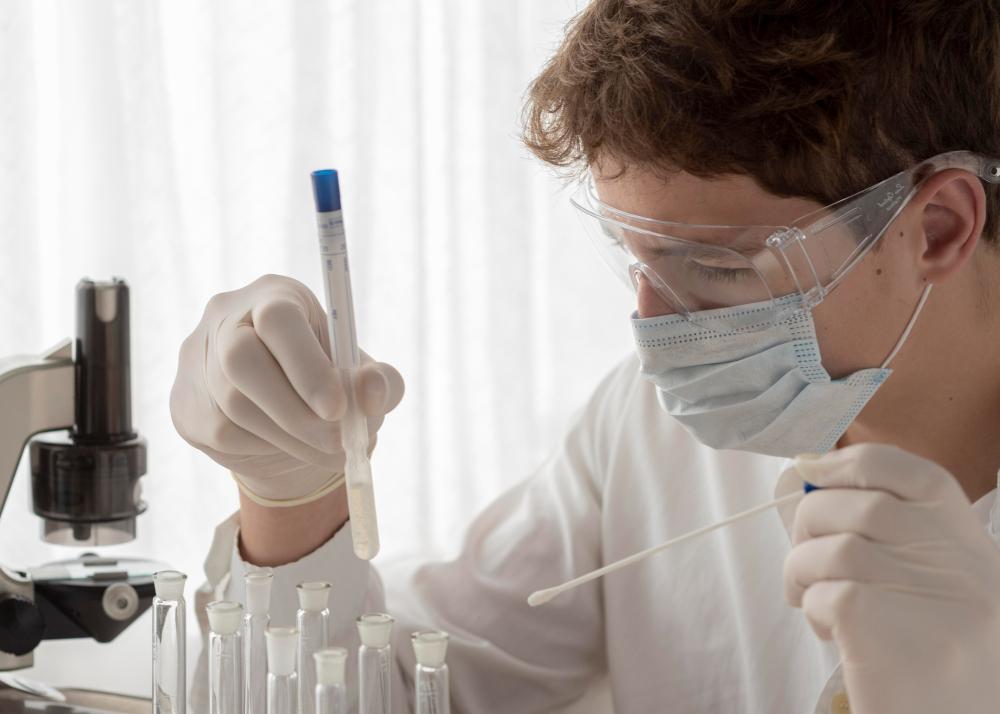
Advances in reproductive medicine have made IVF more personalized than ever before. Along with established fertility techniques, newer laboratory technologies now provide additional information that may help fertility specialists during embryo evaluation. One such advancement is Non-Invasive Chromosome Screening (NICS), a laboratory-based screening approach that analyzes genetic material without directly taking cells from the embryo.
For many individuals and couples exploring IVF, terms like chromosome screening can sound complex. However, understanding the basic concept can make fertility consultations easier and help patients participate more confidently in treatment discussions.
Why Chromosome Screening Matters in IVF
Embryo development depends on many biological factors, including chromosome balance. Chromosomes carry genetic information that plays an important role in normal development. In some situations, embryos may have chromosome variations that can influence IVF outcomes.
During discussions about non-invasive chromosome screening in Sainikpuri, fertility specialists explain how laboratory screening provides additional information that may support embryo evaluation. Rather than replacing routine IVF procedures, this technology may complement clinical decision-making when recommended for suitable patients.
Some reasons chromosome screening may be discussed include:
-
Individual fertility history
-
Previous IVF cycles
-
Maternal age considerations
-
Recurrent pregnancy loss evaluation
-
Personalized embryo assessment
-
Treatment planning
The recommendation depends on each patient's medical history and fertility goals.
Screening Supports Information, Not Assumptions
Chromosome screening provides additional laboratory information that fertility specialists consider alongside other clinical findings.
It is one part of a comprehensive fertility evaluation rather than a standalone decision-making tool.
What Makes Non-Invasive Screening Different?
Traditional embryo testing often involves collecting a small sample of cells from the embryo. Non-invasive chromosome screening follows a different approach.
A consultation about non-invasive chromosome screening in Sainikpuri usually includes an explanation that the screening analyzes genetic material released into the culture medium in which embryos develop during IVF. This allows laboratory specialists to study available DNA without directly removing cells from the embryo itself.
The process is designed to gather genetic information while maintaining the normal laboratory environment for embryo development.
The Focus Is on Laboratory Analysis
The screening takes place within the IVF laboratory using advanced scientific methods.
Patients do not experience any additional procedures during this part of the process.
Understanding the Screening Process Step by Step
Although sophisticated laboratory technology is involved, the overall concept can be understood through a few simple stages.
Step 1: Embryo Development
Following fertilization during IVF, embryos continue developing under carefully controlled laboratory conditions.
Step 2: Collection of Culture Medium
As embryos grow, small amounts of genetic material may naturally be released into the surrounding culture medium.
Step 3: Laboratory Evaluation
Specialized laboratory techniques analyze this genetic material to obtain chromosome-related information.
Step 4: Clinical Interpretation
Fertility specialists review the laboratory findings together with other clinical information before discussing treatment planning with patients.
Each stage is performed using established laboratory protocols designed to support accurate evaluation.
Who May Be Offered This Screening?
Not every IVF patient requires chromosome screening.
A consultation regarding non-invasive chromosome screening in Sainikpuri may be considered depending on several clinical factors, including:
-
Age
-
Fertility history
-
Previous IVF outcomes
-
Reproductive health
-
Medical history
-
Individual treatment goals
Recommendations are always personalized after detailed consultation with a fertility specialist.
Personalized Care Is Essential
Every fertility journey is unique.
The decision to recommend additional screening depends on the complete clinical picture rather than a single factor.
Questions Patients Commonly Ask
Many people attending fertility consultations have similar questions about chromosome screening.
These often include:
-
Why is screening recommended?
-
How does it differ from other testing methods?
-
Will additional procedures be required?
-
What information does screening provide?
-
How are results used during IVF planning?
Discussing these questions during the consultation helps patients better understand their treatment options.
How Screening Fits into the IVF Journey
Chromosome screening is only one component of IVF treatment.
Other important stages include:
-
Fertility evaluation
-
Ovarian stimulation
-
Egg retrieval
-
Fertilization
-
Embryo development
-
Embryo transfer
-
Pregnancy testing
The fertility specialist considers all these stages together when planning individualized treatment.
Technology Supports Clinical Expertise
Advanced laboratory techniques provide valuable information, but treatment decisions are always based on a combination of laboratory findings, medical evaluation, and patient-specific factors.
Professional expertise remains central throughout the IVF process.
Preparing for a Fertility Consultation
If chromosome screening is discussed during your appointment, being prepared can help you understand the information more clearly.
You may find it useful to bring:
-
Previous IVF reports
-
Medical records
-
Hormone test results
-
Ultrasound reports
-
Medication details
-
Questions about embryo screening
Open communication allows fertility specialists to explain the purpose of each investigation in relation to your individual treatment plan.
Making Informed Decisions About Fertility Care
Modern fertility care emphasizes education as much as treatment.
Understanding available technologies helps patients participate confidently in conversations about IVF. Rather than focusing only on medical terminology, fertility specialists explain how different laboratory techniques contribute to personalized treatment planning based on each patient's unique reproductive health.
Conclusion
Non-invasive chromosome screening represents an important advancement in IVF laboratory technology by providing additional chromosome-related information without directly removing cells from the embryo. When recommended by a fertility specialist, it can contribute to individualized treatment planning alongside other clinical evaluations. By understanding how this technology works and discussing it openly during fertility consultations, patients can make informed decisions that support their reproductive goals.
Frequently Asked Questions
1. What is non-invasive chromosome screening?
It is a laboratory-based screening method that analyzes genetic material released into the embryo culture medium during IVF to provide chromosome-related information.
2. Does every IVF patient need chromosome screening?
No. The decision depends on factors such as medical history, fertility evaluation, previous treatment outcomes, and individual clinical recommendations.
3. Is non-invasive chromosome screening part of every IVF cycle?
Not necessarily. Fertility specialists recommend it only when it is considered appropriate for the patient's specific situation.
4. Does chromosome screening replace other IVF procedures?
No. It complements the overall IVF process and is considered alongside other medical evaluations and laboratory findings.
5. Can I discuss chromosome screening during my first fertility consultation?
Yes. Your fertility specialist can explain whether chromosome screening is suitable for your individual treatment plan and answer any questions you may have.

 English
 Arabic
 French
 Spanish
 Portuguese
 Deutsch
 Turkish
 Dutch
Dutch
 Italiano
 Russian
 Portuguese (Brazil)