
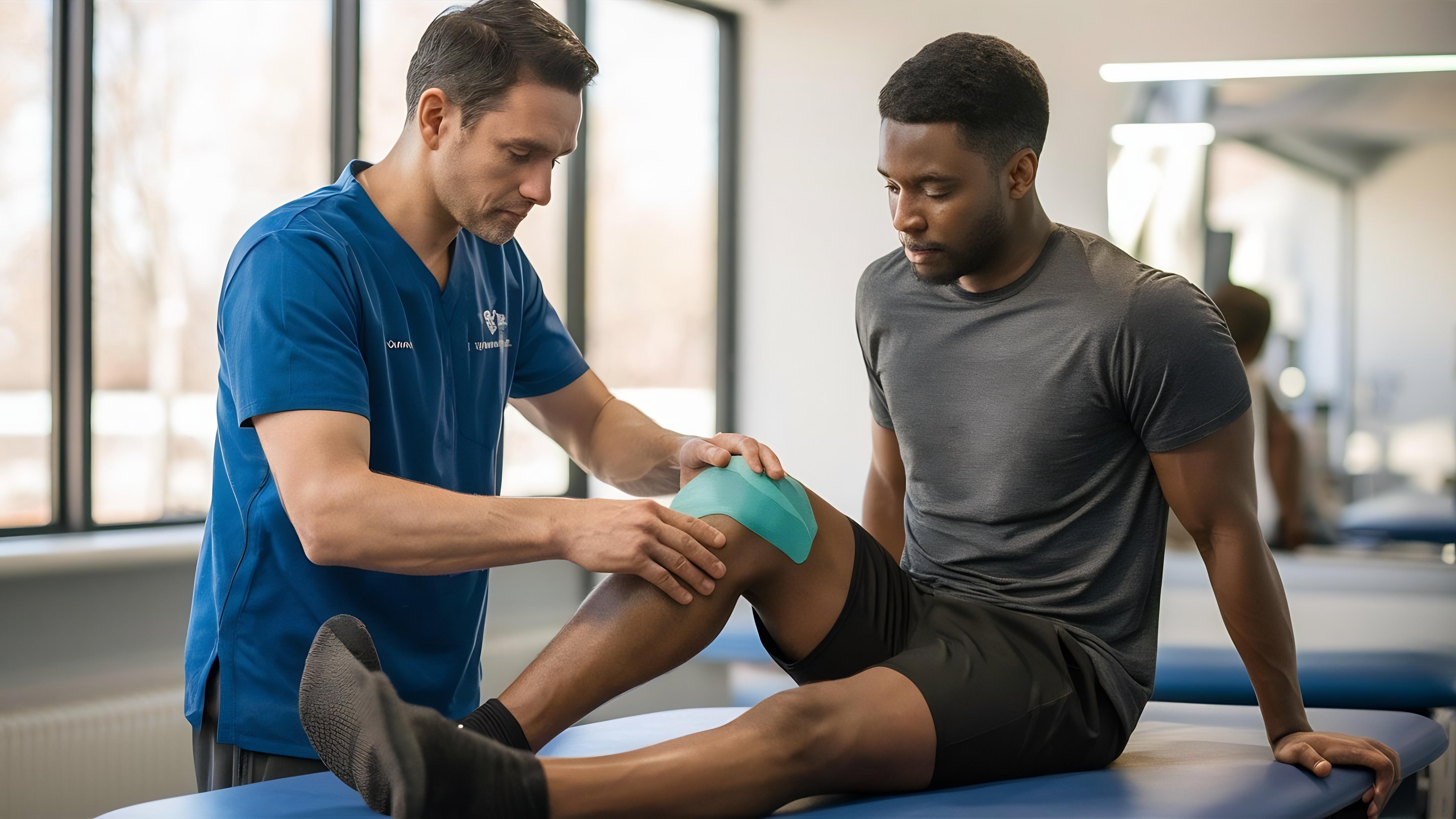
Whether you're a professional athlete, a weekend runner, or someone who enjoys recreational sports, injuries are always a possibility. While minor aches and muscle soreness are common after physical activity, certain sports injuries should never be ignored. Delaying treatment can lead to chronic pain, reduced performance, and even permanent damage that keeps you away from the activities you love.
The good news is that sports injury rehabilitation provides a structured, evidence-based approach to healing, restoring movement, and helping athletes return to their sport safely. Early intervention not only speeds up recovery but also reduces the risk of future injuries. This guide explains the sports injuries you should never overlook, warning signs to watch for, treatment options, and practical tips for prevention.
Why Ignoring Sports Injuries Can Be Risky
Many athletes continue training despite pain, believing it will disappear with rest. Unfortunately, this mindset often worsens the injury. Small muscle strains can develop into tears, ligament sprains may become unstable, and untreated tendon injuries can become chronic conditions.
Seeking sports injury rehabilitation at the earliest stage helps identify the root cause of pain and ensures appropriate treatment before the problem progresses.
Common Sports Injuries You Should Never Ignore
1. Anterior Cruciate Ligament (ACL) Injury
An ACL injury is one of the most serious knee injuries seen in sports involving jumping, pivoting, or sudden changes in direction.
Symptoms include:
-
A popping sound at the time of injury
-
Immediate swelling
-
Knee instability
-
Difficulty walking
Early sports injury rehabilitation is essential to restore strength, improve stability, and prepare the knee for a safe return to activity.
2. Meniscus Tears
The meniscus acts as a shock absorber in the knee. Twisting movements during sports such as football, basketball, or tennis can cause it to tear.
Warning signs include:
-
Knee locking
-
Swelling
-
Pain while squatting
-
Limited movement
Ignoring a meniscus injury may increase joint damage over time.
3. Shoulder Rotator Cuff Injuries
Sports involving repetitive overhead movements, such as swimming, cricket, volleyball, and tennis, commonly cause rotator cuff injuries.
Symptoms include:
-
Shoulder pain
-
Weakness
-
Difficulty lifting the arm
-
Pain during throwing motions
A personalized sports injury rehabilitation program can restore shoulder function and reduce the risk of reinjury.
4. Ankle Sprains
Many people assume ankle sprains heal on their own. However, untreated ligament injuries can result in chronic ankle instability and repeated sprains.
Seek medical evaluation if pain, swelling, or difficulty bearing weight continues beyond a few days.
5. Hamstring Strains
Hamstring injuries are common in running and sprinting sports.
Typical symptoms include:
-
Sudden sharp pain
-
Bruising
-
Muscle weakness
-
Difficulty running
Early treatment prevents scar tissue formation and supports faster recovery.
6. Tennis Elbow
Despite its name, tennis elbow affects golfers, gym-goers, manual workers, and many other active individuals.
Persistent elbow pain should never be ignored because it can interfere with daily activities if left untreated.
Warning Signs That Require Professional Attention
Certain symptoms indicate the need for immediate assessment:
-
Severe swelling
-
Joint instability
-
Inability to bear weight
-
Persistent pain lasting more than a few days
-
Limited range of motion
-
Visible deformity
-
Recurrent injuries
-
Numbness or tingling
Prompt sports injury rehabilitation can prevent these issues from becoming long-term problems.
How Sports Injuries Are Diagnosed
Accurate diagnosis is the first step toward effective treatment.
Healthcare professionals may perform:
-
Medical history evaluation
-
Physical examination
-
Movement analysis
-
Muscle strength testing
-
Joint stability assessment
-
X-rays for fractures
-
MRI scans for ligament, tendon, or cartilage injuries
-
Ultrasound for soft tissue conditions
Based on the findings, an individualized rehabilitation plan is developed.
The Importance of Sports Injury Rehabilitation
Recovery involves much more than waiting for pain to disappear. Sports injury rehabilitation focuses on restoring normal movement, improving strength, rebuilding endurance, and correcting faulty movement patterns.
A structured rehabilitation program may include:
-
Pain management
-
Manual therapy
-
Joint mobilization
-
Strengthening exercises
-
Flexibility training
-
Balance exercises
-
Functional movement retraining
-
Sport-specific conditioning
Regular sports injury rehabilitation allows athletes to return to training with greater confidence while minimizing the risk of reinjury.
The Role of Sports Physiotherapy
Modern sports physiotherapy plays a crucial role in both injury recovery and prevention. Physiotherapists assess biomechanics, identify movement limitations, and develop personalized treatment plans tailored to each athlete's needs.
Benefits of sports physiotherapy include:
-
Faster recovery
-
Improved flexibility
-
Enhanced muscle strength
-
Better joint stability
-
Reduced pain
-
Injury prevention strategies
-
Improved athletic performance
Whether recovering from surgery or managing a minor strain, sports physiotherapy helps athletes safely regain peak performance.
Rehabilitation Exercises That Support Recovery
Depending on the injury, physiotherapists may recommend exercises such as:
Balance Training
Improves joint stability and reduces the likelihood of future injuries.
Resistance Strengthening
Builds muscle strength around injured joints.
Stretching Exercises
Restores flexibility while preventing stiffness.
Functional Movement Drills
Help athletes regain sport-specific movement patterns.
Plyometric Training
Introduced during later recovery stages to prepare athletes for explosive movements required in competitive sports.
These exercises are carefully progressed throughout sports injury rehabilitation to ensure safe and effective healing.
How to Prevent Sports Injuries
Although injuries cannot always be avoided, several habits significantly lower the risk.
-
Warm up before every workout.
-
Cool down after exercise.
-
Wear appropriate footwear.
-
Increase training intensity gradually.
-
Maintain proper technique.
-
Stay hydrated.
-
Get enough rest between training sessions.
-
Strengthen supporting muscles.
-
Address minor pain early.
Preventive sports injury rehabilitation strategies also help identify weaknesses before they develop into serious injuries.
Benefits of Early Rehabilitation
Starting treatment immediately after an injury offers several advantages:
-
Faster healing
-
Reduced inflammation
-
Better mobility
-
Improved muscle strength
-
Lower risk of chronic pain
-
Reduced reinjury rates
-
Safe return to sport
-
Enhanced confidence during athletic performance
Delaying care often prolongs recovery and may increase the need for more intensive treatment.
When Should You Visit a Physiotherapist?
Consult a physiotherapist if you experience:
-
Pain that persists after rest
-
Repeated injuries in the same area
-
Joint instability
-
Reduced athletic performance
-
Swelling that does not improve
-
Difficulty returning to training
-
Limited movement after an injury
Professional assessment ensures that the underlying problem is properly treated rather than temporarily managed.
Conclusion
Sports injuries should never be dismissed as "just part of the game." What begins as a minor strain or sprain can quickly develop into a long-term condition if left untreated. Early sports injury rehabilitation is one of the most effective ways to reduce pain, restore strength, improve mobility, and support a safe return to physical activity. Combined with expert sports physiotherapy, athletes can recover more efficiently, improve movement quality, and lower the risk of future injuries. If you're looking for personalized care and evidence-based rehabilitation tailored to your goals, Dr.Vigils Advance Physiotherapy offers comprehensive treatment programs designed to help you recover with confidence, return to your sport safely, and perform at your best.

 English
 Arabic
 Spanish
 Portuguese
 Deutsch
 Turkish
 Dutch
Dutch
 Italiano
 Russian
 Romaian
 Portuguese (Brazil)