
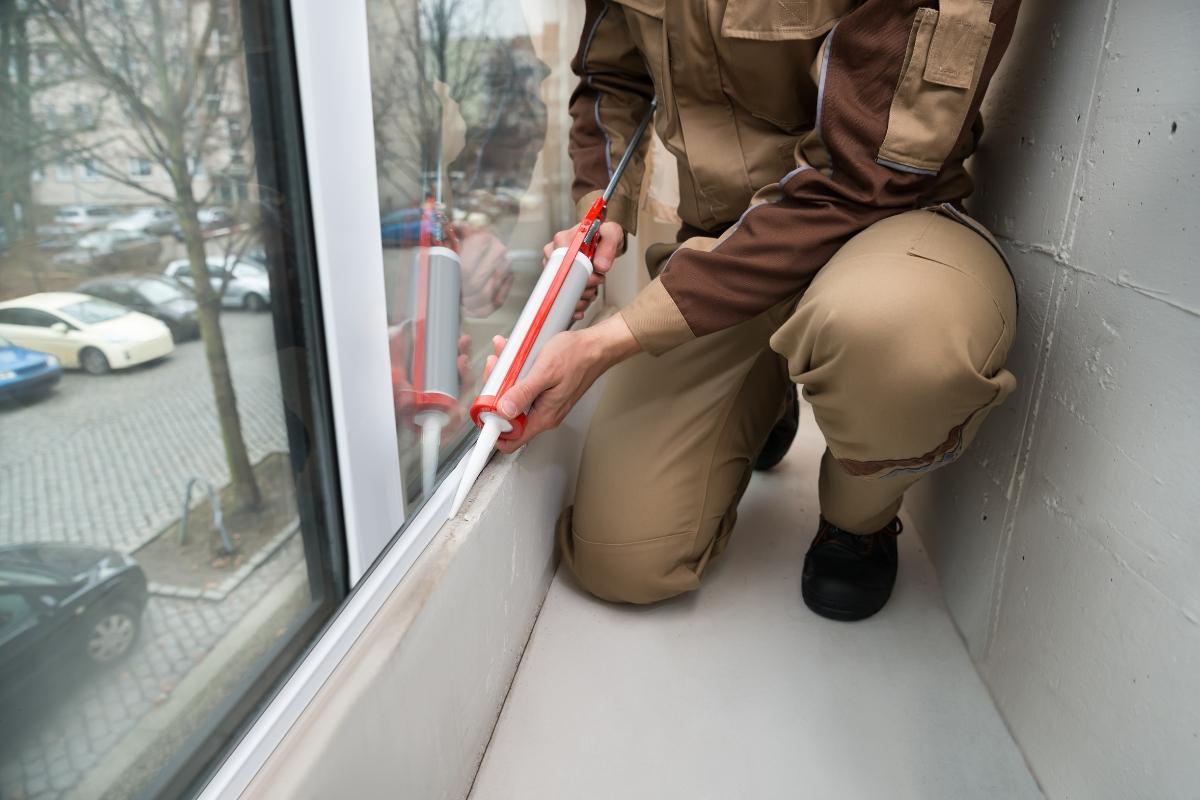
High-rise buildings are a defining part of Sydney’s commercial, residential, and mixed-use landscape, but maintaining their external façades presents challenges that are very different from those encountered on low-rise properties. One of the most important maintenance tasks is sealing joints, gaps, façade connections, windows, expansion joints, and other vulnerable areas against water and air penetration. High Rise Caulking Sydney requires careful planning, specialist materials, appropriate access systems, and experienced technicians who understand how to work safely at height. When difficult-to-reach areas are left inadequately sealed, moisture can enter the building envelope and potentially contribute to deterioration, staining, corrosion, mould growth, and costly repair requirements.
Access is often one of the biggest challenges when carrying out caulking work on multi-storey buildings. Areas around upper-level windows, façade joints, balconies, curtain walls, roof transitions, and external penetrations may be impossible to reach safely from ground level. This is where Specialist Access Caulking Services become particularly important. Instead of treating access as an afterthought, professional high-rise caulking work considers the building’s height, façade design, working conditions, weather exposure, and required access method before the sealing process begins. With the right approach, difficult-access areas can be reached and sealed efficiently while maintaining a strong focus on worker safety, application quality, and long-term weather protection.
Why Caulking Is Important on High-Rise Buildings
Caulking is more than simply filling visible gaps. Properly applied sealants form an important part of a building’s external weatherproofing system. High-rise façades are constantly exposed to Sydney’s changing weather conditions, including heavy rain, strong sunlight, wind, temperature fluctuations, and coastal atmospheric conditions in many locations.
Over time, movement within a building can place stress on joints and sealants. Concrete, glass, metal, masonry, and other façade materials can expand and contract at different rates. Building movement can also cause existing sealant joints to deteriorate or lose their flexibility. Once a seal begins to crack, separate, shrink, or lose adhesion, water may find a pathway into areas that are difficult to inspect.
Effective external sealing helps maintain the performance of the building envelope. It can reduce the risk of water entering around windows, façade panels, joints, penetrations, and other vulnerable locations. For property owners and facility managers, routine inspection and timely caulking maintenance can therefore be an important part of protecting the condition and functionality of a high-rise property.
Why Difficult-Access Areas Require Specialist Work
On a low-rise building, a damaged sealant joint may be accessible from a ladder, elevated platform, or standard maintenance equipment. High-rise buildings are different. A façade defect several storeys above ground can require specialised access planning before a technician can even begin preparation and application work.
Difficult-access locations may include the external perimeter of high-level windows, façade junctions, balcony edges, parapets, expansion joints, roofline interfaces, vertical façade joints, service penetrations, and areas concealed behind architectural features. Some sections may also be located above busy footpaths, entrances, landscaped areas, or other obstacles.
These conditions mean that the quality of the finished seal depends not only on the technician’s caulking skills but also on how the work area is accessed. A professional approach considers how workers can reach the joint, how materials and equipment can be transported, how the work zone can be controlled, and how the finished seal can be inspected.
This is one reason property owners often engage a caulking specialist for complex façade maintenance rather than relying on general maintenance methods.
Planning the Access Before Caulking Begins
Safe high-rise caulking starts well before a sealant cartridge is opened. A suitable work plan should identify the areas requiring attention and determine the most appropriate access solution for each location.
The building’s height and façade configuration are important considerations, but they are not the only factors. Technicians may also need to consider the width and condition of joints, surrounding materials, potential obstructions, weather conditions, pedestrian movement, and the amount of preparation required.
A detailed inspection can help identify whether existing sealant needs to be repaired locally or removed and replaced. It can also reveal areas where failed joints are connected to broader façade issues. Where access is difficult, planning becomes even more important because unnecessary return visits can increase disruption and project costs.
For building managers, a well-planned access strategy can make the work more organised and reduce the likelihood of unexpected complications during the project.
Common Access Methods for High-Rise Caulking
Different buildings require different access arrangements. The appropriate method depends on the building design, work location, height, surrounding environment, and nature of the task.
Rope-Based Access
Rope-based access can be suitable for certain high-level façade areas where conventional equipment cannot provide practical access. Technicians can work along sections of the façade while carrying the necessary tools and materials.
This method can be particularly useful for vertical joints and other areas where the façade has limited obstruction. However, working at height requires proper planning, appropriate equipment, trained personnel, and suitable site controls.
Elevated Work Platforms
Elevated work platforms can provide access to selected sections of a high-rise building, particularly where there is sufficient space around the building for equipment to operate safely.
The suitability of a platform depends on ground conditions, building geometry, available working space, and the elevation required. Access equipment must be selected according to the specific requirements of the project rather than simply choosing the most convenient option.
Building-Mounted or Suspended Access
Some high-rise properties have access arrangements that allow technicians to work from suspended platforms or building-mounted systems. These can provide access across large areas of a façade and may be useful for extensive sealing or maintenance projects.
The system used must be appropriate for the building and the work being undertaken. Proper inspection, setup, operation, and site management are essential whenever work is performed at significant height.
Preparing the Joint Is Just as Important as Applying the Sealant
One of the most commonly overlooked aspects of caulking is preparation. A new sealant application cannot perform properly if it is applied over an unsuitable surface.
Before applying a new seal, technicians may need to remove failed or deteriorated sealant from the joint. Dust, loose material, contaminants, moisture, and other substances can interfere with adhesion. Depending on the substrate and existing condition, surfaces may require careful cleaning and preparation before the new sealant is installed.
The joint itself should also be assessed. A joint that is too shallow, excessively deep, damaged, or incorrectly configured may not provide the conditions required for a durable seal. Professional preparation helps ensure that the sealant is applied to a suitable surface and has the correct joint configuration.
For high-rise projects, preparation can be particularly demanding because technicians may need to perform this work while positioned several storeys above ground.
Choosing the Correct Sealant
Not every sealant is suitable for every façade application. The correct product depends on the substrate, joint movement, exposure conditions, location, and performance requirements of the building.
External joints are exposed to sunlight, rain, temperature changes, wind, and building movement. A suitable sealant should therefore be capable of accommodating the movement expected within the joint while maintaining adhesion to the surrounding surfaces.
Compatibility is another important consideration. Sealants may be applied to materials such as concrete, rendered surfaces, glass, aluminium, masonry, metal panels, and other façade components. The sealant system needs to be appropriate for the surfaces involved.
The appearance of the finished joint may also matter, especially on prominent commercial or residential façades. A clean, consistent finish can contribute to the overall appearance of a well-maintained building while providing the intended sealing function.
Where External Caulking Is Commonly Required
High-rise properties contain numerous areas where external sealing can be important. Some of the most common include window and door perimeters, façade panel joints, expansion joints, concrete interfaces, balcony areas, parapets, roof transitions, and service penetrations.
Windows are particularly important because the perimeter between a window frame and surrounding façade materials can become vulnerable when the original sealant deteriorates. External joints around façade elements may also experience movement over time, making regular inspection valuable.
External caulking services can address these types of exposed areas by restoring deteriorated seals and helping maintain the building’s external weather barrier. The exact requirements vary from one building to another, so inspection should guide the scope of work rather than assuming every joint requires the same treatment.
How Professionals Approach Safety at Height
Safety should be central to every high-rise caulking project. Working several storeys above ground introduces hazards that do not exist to the same extent during ground-level maintenance.
Before work begins, the access method, work area, equipment, weather conditions, surrounding environment, and emergency arrangements should be considered. Technicians need suitable training and equipment for the access system being used, while the work zone should be managed to reduce risks to people below.
Weather is particularly important in Sydney. Strong winds, rain, storms, excessive heat, and other conditions can affect the safety and practicality of external façade work. A responsible work plan allows conditions to be monitored and work to be postponed when they are unsuitable.
Material and tool management is also critical. Equipment used at height needs to be controlled carefully to reduce the risk of items falling from elevated work areas. Ground-level areas may require appropriate exclusion zones or other controls depending on the site.
The objective is not simply to complete the caulking task but to complete it without compromising the safety of workers, building occupants, visitors, or members of the public.
Identifying Signs That High-Rise Caulking Needs Attention
Building owners and managers should pay attention to visible signs of sealant deterioration. Cracking, splitting, shrinking, gaps, peeling, discolouration, loss of adhesion, and separation from surrounding surfaces can all indicate that a joint requires assessment.
Water staining around windows or internal areas may also indicate that an external sealing problem exists, although the visible symptom does not always identify the exact source of water entry. Moisture can travel through building components before becoming visible inside.
Regular inspections can help identify deterioration before a small sealing defect becomes a more complicated building maintenance issue. For large properties, planned inspection and maintenance programmes can be particularly useful because inspecting every façade area at once may not be practical.
The Importance of Hiring Experienced Caulking Contractors
High-rise sealing involves more than applying a bead of sealant. It combines access planning, surface preparation, material selection, application technique, quality control, and working-at-height considerations.
Experienced Caulking Contractors Sydney property owners can rely on and should understand that every building has different requirements. A residential tower, commercial building, apartment complex, and mixed-use development may each have different façade materials, joint designs, access limitations, and maintenance needs.
Professional contractors should assess the work before beginning and provide an approach suited to the building. Attention to detail is especially important because defects in high-level joints can be difficult and expensive to revisit once access equipment has been removed.
A properly completed job should provide a neat, continuous seal with appropriate adhesion and finish. Quality workmanship can help extend the service life of the sealing system and reduce the frequency of avoidable maintenance problems.
Preventative Maintenance Can Reduce Future Problems
Waiting until water enters a building before investigating deteriorated sealant can lead to unnecessary disruption. Preventative maintenance allows property managers to identify vulnerable joints and address deterioration before it progresses.
A maintenance programme can include visual inspections, targeted testing where appropriate, identification of deteriorated sealant, and prioritisation of areas based on condition and exposure. High-risk areas can be addressed first, while other sections can be scheduled according to their condition and access requirements.
For large Sydney buildings, this approach can make façade maintenance more manageable. Instead of treating caulking as an emergency repair, owners can incorporate it into a broader building maintenance strategy.
What Makes High-Rise Caulking Different?
The key difference is the combination of sealing requirements and access challenges. A technically correct caulking method is not enough if the technician cannot safely reach the joint. Likewise, having access to a difficult location does not guarantee a durable result if the joint has not been properly prepared or the wrong sealant has been selected.
High-rise caulking therefore requires an integrated approach. The access system, surface preparation, sealant selection, application technique, weather conditions, and final inspection all contribute to the outcome.
Sydney’s high-rise buildings are exposed to demanding external conditions throughout the year. Maintaining their façade joints is consequently an important part of protecting the building envelope and preserving the condition of external surfaces.
Final Thoughts
High-rise buildings require specialist maintenance because many of their most important sealing points are located in difficult-access areas. From windows and façade joints to balconies, expansion joints, parapets, and other external interfaces, deteriorated caulking can leave a building more vulnerable to water penetration and environmental exposure. Specialist Access Caulking Sydney services provide a practical approach to reaching these areas while placing appropriate attention on access planning, safety, surface preparation, sealant selection, and workmanship.
For property owners, strata managers, facility managers, and building professionals, engaging experienced professionals can help ensure that high-level caulking is completed with the right combination of technical skill and access planning. If your Sydney property requires professional assessment or external sealing work, you can learn more about available caulking services at The Australian Caulking Company.

 English
 Arabic
 French
 Spanish
 Portuguese
 Deutsch
 Turkish
 Dutch
Dutch
 Russian
 Romaian
 Portuguese (Brazil)