
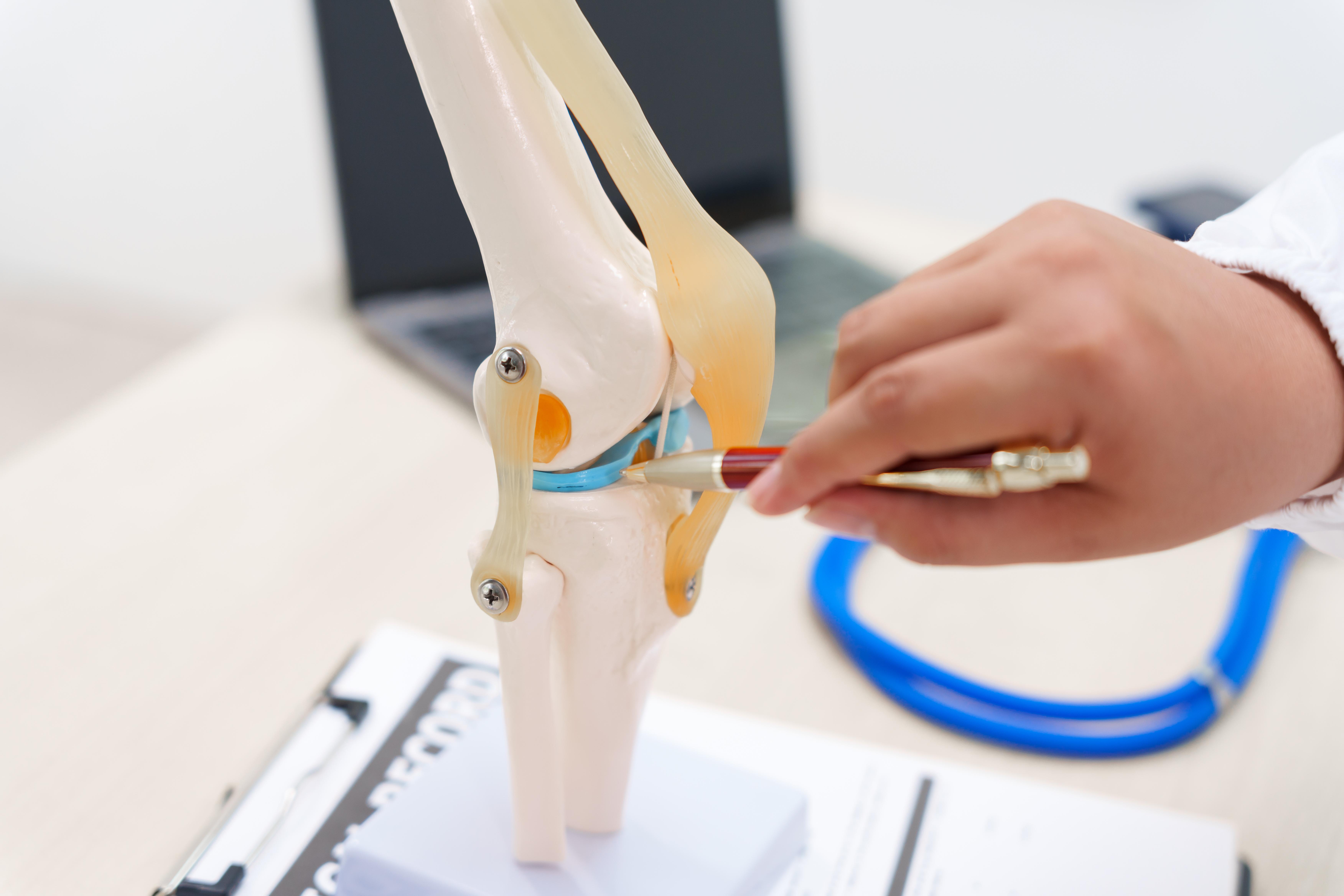
Choosing to undergo knee surgery often brings up an unexpected question: what exactly is the implant made of, and why does it matter? Understanding Knee Replacement Implants at a basic level helps patients feel more informed and less anxious about the procedure ahead.
What Knee Implants Are Made Of
Modern implants are built from carefully selected materials designed to withstand years of daily movement. Long-term studies show that well-designed implants can function reliably for 15 to 20 years, with survival rates above 90 percent even at the 15-year mark.
Common Materials Used in Knee Implants
-
Cobalt-chromium alloys – Known for strength and wear resistance.
-
Titanium components – Lightweight and highly biocompatible.
-
Medical-grade polyethylene – Reduces friction between moving parts.
-
Ceramic-coated surfaces – Used for patients with metal sensitivities.
For readers wanting a deeper technical breakdown, this guide on Knee Replacement Implants explains how each material affects comfort, durability, and long-term joint performance.
How Implant Design Affects Movement
Beyond materials, the design of an implant plays a major role in how naturally the knee moves after surgery. Some designs preserve more of the knee's original ligaments, while others are built for patients whose ligaments are already damaged, offering more built-in stability instead.
Design Types Explained Simply
-
Designs that preserve natural ligament movement.
-
Designs built for added joint stability.
-
Designs allowing slight rotation to reduce wear.
-
Designs suited for partial versus full joint replacement.
Why Implant Choice Matters for Recovery
The right implant does more than restore movement; it can also influence how smoothly recovery unfolds. Lighter, well-fitting implants often reduce strain during early rehabilitation, which is especially relevant when considering knee replacement recovery time for elderly patients, who typically require more gradual, carefully monitored healing.
Recovery Differences Worth Understanding
-
Younger patients often recover mobility faster.
-
Elderly patients may need eight to twelve weeks for confident walking.
-
Implant fit can influence early comfort levels.
-
Physiotherapy consistency affects recovery speed regardless of age.
How Surgeons Match Implants to Patients
Every patient's knee anatomy is different, so surgeons evaluate bone density, joint alignment, and activity level before recommending a specific implant. This personalized approach helps ensure the chosen design supports both comfort and long-term function.
Factors Surgeons Consider Before Choosing an Implant
-
Patient age and expected activity level.
-
Bone quality and joint alignment.
-
History of previous knee injuries or surgeries.
-
Lifestyle needs, including work and daily movement.
Choosing the Right Surgical Team
Implant quality alone does not guarantee success. Surgical precision and post-operative care matter just as much. Patients are encouraged to consult an experienced knee replacement doctor in Greater Noida who can recommend the most suitable implant based on individual health and lifestyle factors.
Understanding Long-Term Implant Care
Once surgery is complete, implant longevity depends not just on the design itself but also on how well patients care for their new joint over time. Simple habits like maintaining a healthy weight and attending regular follow-ups can significantly extend how well an implant performs.
Habits That Support Implant Longevity
-
Maintaining a healthy body weight to reduce joint strain.
-
Staying moderately active through low-impact exercise.
-
Attending scheduled follow-up appointments.
-
Reporting any unusual pain or stiffness promptly.
When Revision Surgery May Be Needed
While most implants last many years without issue, some patients may eventually require revision surgery due to wear, loosening, or changes in bone structure. Understanding this possibility helps patients approach long-term care with realistic expectations rather than surprise.
Signs That May Indicate a Need for Evaluation
-
New or worsening pain years after surgery.
-
Noticeable instability while walking.
-
Swelling that develops without clear cause.
-
Reduced range of motion compared to previous years.
Frequently Asked Questions
Do all knee implants last the same amount of time? Not exactly. Lifespan can vary based on implant material, patient activity level, and how closely post-surgical care instructions are followed.
Can patients request a specific implant brand or type? Patients can discuss preferences with their surgeon, though the final recommendation is typically based on individual anatomy and clinical needs.
Is implant rejection a common concern? True rejection is rare, as modern implant materials are designed to be highly biocompatible and well-tolerated by the body.
How do surgeons decide between partial and total replacement? This decision depends on how much of the joint is damaged, with partial replacement reserved for cases where only one section requires treatment.
Final Thoughts
Understanding what knee implants are made of and how they are designed helps patients approach surgery with greater confidence and realistic expectations for recovery.
Dr Bharat Goswami - an experienced orthopedic surgeon in Greater Noida, takes time to explain implant options clearly, helping patients make informed decisions about their treatment.

 English
 Arabic
 French
 Spanish
 Portuguese
 Deutsch
 Dutch
Dutch
 Italiano
 Russian
 Romaian
 Portuguese (Brazil)