
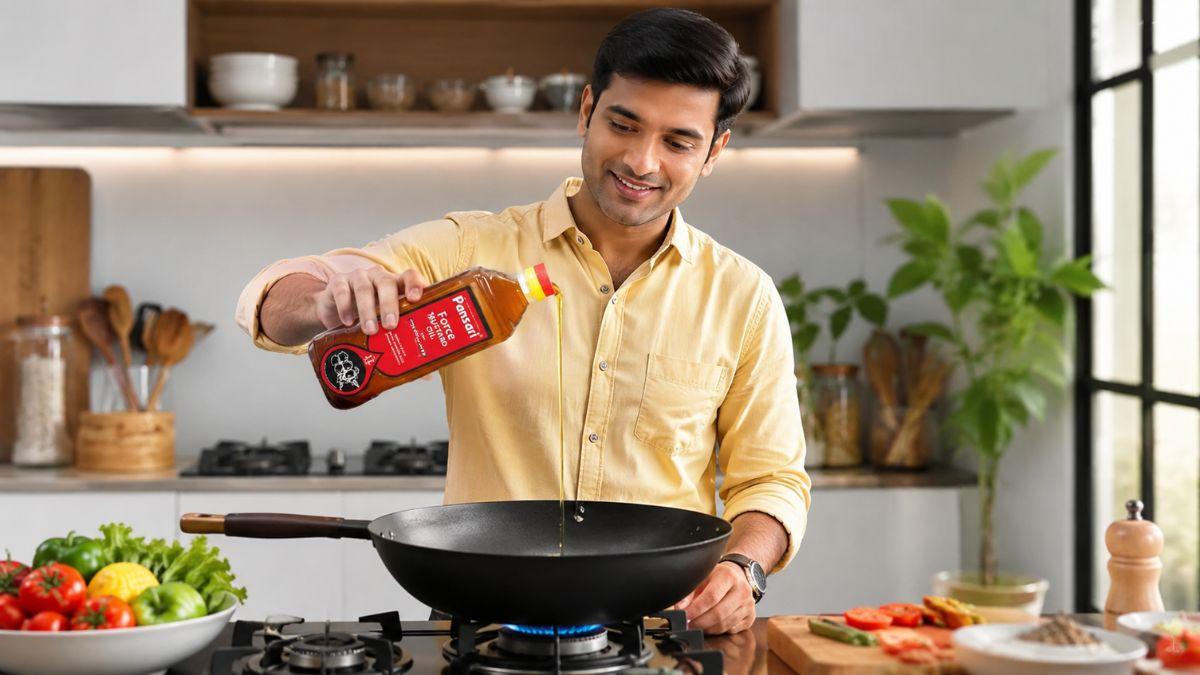
Cooking oil is one of the most important parts of every Indian kitchen, yet it is also one of the most confusing products to buy. Every bottle claims to be healthy, light, or suitable for daily cooking. Attractive labels and advertisements make the decision even harder. Many people simply buy the same oil every month without knowing if it matches their cooking style.
The truth is simple. The Best Cooking Oil is not just about a popular brand. It should match the food cooked at home, the cooking method, and the nutritional needs of the family. Once these points become clear, selecting the right oil becomes much easier.
Why Choosing the Right Cooking Oil Matters
Oil is used almost every day for frying, roasting, sautéing, and preparing curries. The right choice can help maintain the natural taste of food while supporting a balanced diet. At the same time, using an unsuitable oil for a particular cooking method may reduce its quality and affect the overall meal.
Instead of following trends, it is always better to understand the basics before making a purchase.
1. Know Your Daily Cooking Style
Every kitchen has a different routine. Some families prepare deep fried snacks only during weekends, while others mainly cook vegetables, dal, and roti every day.
Ask these simple questions before buying oil:
- Is most cooking done on high heat?
- Are fried foods prepared often?
- Is the oil mainly used for tadka and curries?
- Does the family enjoy traditional Indian recipes?
The answers help narrow down the options without unnecessary confusion.
2. Read the Label Carefully
Many people only look at the front of the bottle. The real information is usually printed on the back.
Check for:
- Manufacturing and expiry date
- Ingredient list
- Type of oil
- Storage instructions
- Quality certifications
- Nutrition facts
A clear label shows that the manufacturer shares useful information with buyers.
3. Understand Different Types of Cooking Oils
Every oil has its own taste and purpose.
- Mustard oil is popular for traditional Indian dishes and pickles because of its strong flavour.
- Groundnut oil works well for regular Indian cooking and many fried recipes.
- Sunflower oil has a light taste and is commonly used for daily meals.
- Rice bran oil is chosen by many families for regular home cooking.
- Sesame oil adds a rich flavour to several regional recipes.
Instead of assuming one oil is perfect for every dish, use the one that suits the recipe and cooking temperature.
4. Check the Smoke Point
The smoke point is the temperature at which oil starts producing smoke. Once oil reaches this stage, the taste and cooking quality may change.
For deep frying, choose oils suitable for high heat. For light cooking, stir frying, or simple tadka, several oils perform well without needing extremely high temperatures.
Avoid heating the same oil repeatedly. Fresh oil always gives better taste and cooking quality.
5. Do Not Get Influenced by Marketing Alone
Bright packaging and catchy advertisements can easily attract attention. Still, smart buying always depends on facts.
Compare products instead of buying the first bottle seen on the shelf. Read reviews, check the ingredient list, compare nutritional information, and choose trusted brands known for consistent quality.
6. Balance Quality and Budget
Higher price does not always mean better quality. At the same time, choosing the cheapest option may not be the smartest decision.
A good oil should offer quality, freshness, proper packaging, and good value. Finding this balance helps every family make a better purchase without spending unnecessarily.
Common Mistakes People Should Avoid
Many buyers make simple mistakes that create confusion later.
- Buying oil only because of advertisements.
- Ignoring the ingredient list.
- Selecting one oil for every cooking style.
- Reusing fried oil many times.
- Purchasing large quantities that remain unused for months.
- Keeping oil bottles near the gas stove for long periods.
Avoiding these mistakes makes everyday cooking safer and more enjoyable.
Final Thoughts
Finding the Best Cooking Oil does not have to be difficult. A little attention to cooking habits, label details, oil type, smoke point, storage, and product quality can make the decision much easier. Instead of getting confused by countless options, focus on practical information that truly matters.
A thoughtful choice today supports better meals, richer flavour, and greater confidence every time food is prepared in the kitchen.

 Arabic
 French
 Spanish
 Portuguese
 Deutsch
 Turkish
 Dutch
Dutch
 Italiano
 Russian
 Romaian
 Portuguese (Brazil)