
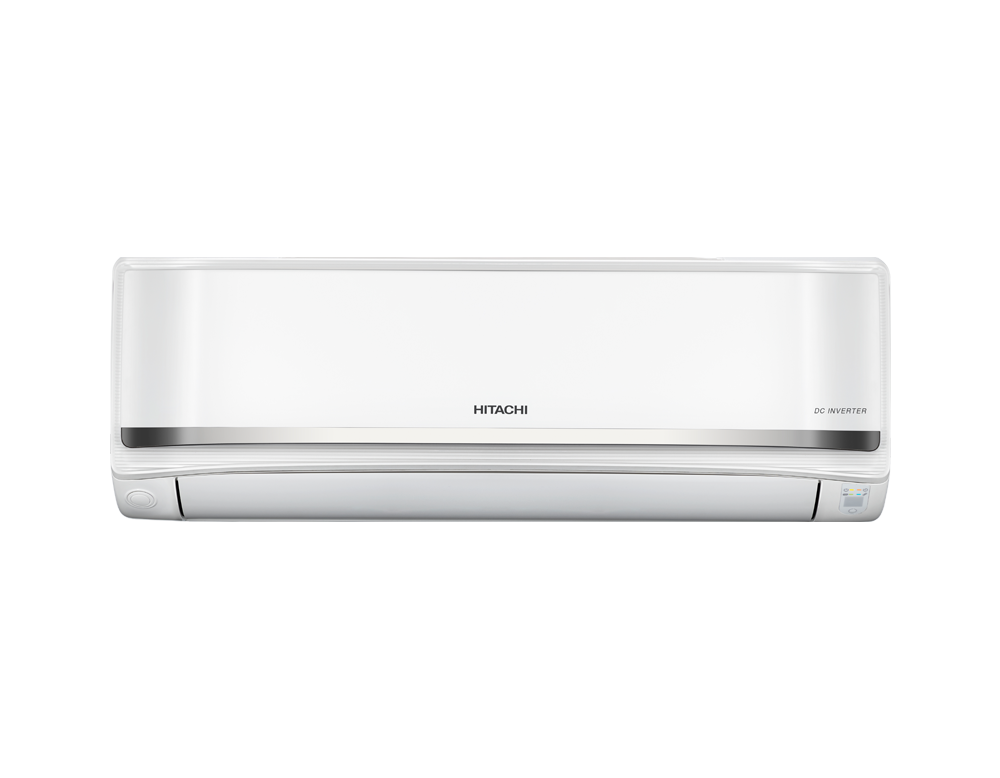
When cooling one room is easy but keeping an entire home, office, showroom, or commercial space comfortable is the real challenge, a conventional wall-mounted AC may not be the best solution. This is where ducted split air conditioners can make a big difference.
These systems combine the cooling performance of a split AC with concealed ductwork that distributes conditioned air through multiple outlets. The result is cleaner-looking interiors, more uniform cooling, and greater flexibility for larger spaces.
In this guide, we'll look at how ductable systems work, their major benefits, installation requirements, energy-efficiency considerations, and how they compare with other AC options.
What Are Ductable Split Air Conditioners?
A ductable split AC is a type of air-conditioning system in which the indoor unit is installed above a false ceiling or in another concealed location. Conditioned air is then distributed through a network of ducts and delivered into rooms through strategically positioned grilles or diffusers.
Unlike a standard split AC, there is no large indoor unit mounted on each wall.
A typical system includes:
- Outdoor condensing unit
- Concealed indoor evaporator unit
- Refrigerant piping
- Supply and return air ducts
- Air grilles or diffusers
- Thermostat or control system
- Condensate drainage system
Ducted systems are commonly used in villas, offices, restaurants, hotels, retail stores, conference rooms, and other spaces where multiple areas need cooling.
A ducted system can provide relatively uniform cooling across multiple rooms while keeping the indoor equipment out of sight.
How Do Ductable Split Air Conditioners Work?
The basic operating principle is straightforward.
- The outdoor unit removes heat: The compressor and condenser work together to reject heat from the refrigerant.
- The indoor unit cools the air: Warm indoor air passes through the evaporator coil, where heat is removed.
- A blower moves the cooled air: The indoor fan pushes conditioned air into the duct network.
- Ducts distribute the air: The cooled air travels through concealed ducts.
- Diffusers deliver the air: Ceiling or wall outlets distribute air throughout the required zones.
- Return air completes the cycle: Air is drawn back into the system and conditioned again.
This arrangement makes ductable AC particularly useful when several connected areas need to be cooled without installing multiple visible indoor units.
Key Features of Ductable Split Air Conditioners
Not every ductable system has the same specifications, so buyers should compare the actual model rather than choosing based only on capacity or brand.
1. Concealed Installation
One of the biggest advantages is appearance. The indoor unit and most of the ductwork remain hidden above the ceiling.
Only the grilles or diffusers are visible, helping maintain a clean interior design.
2. Cooling for Multiple Areas
A properly designed duct system can distribute conditioned air to several rooms or zones. This makes it particularly suitable for larger homes and commercial environments.
3. Flexible Air Distribution
The duct layout can be designed around the building. Air outlets can be positioned according to room size, occupancy, and cooling requirements.
4. Inverter Technology
Many modern ductable systems use inverter compressors. Instead of operating only at fixed capacity, an inverter compressor can adjust its output according to the cooling demand.
This can help improve comfort and reduce unnecessary cycling when the system is correctly sized and installed.
5. Centralized Control
Depending on the system, temperature and operating modes can be controlled centrally. More advanced installations may also incorporate zoning and building-management controls.
6. Quieter Interiors
Because the main indoor equipment is concealed, the occupied space can feel less cluttered and may have lower perceived equipment noise than rooms containing multiple wall-mounted indoor units.
Ductable AC vs Standard Split AC
Choosing between these systems depends heavily on the size and layout of your property.
| Feature | Ductable Split AC | Standard Split AC |
| Installation | Requires ductwork and ceiling space | Relatively simple |
| Appearance | Mostly concealed | The indoor unit is visible |
| Multiple rooms | Well suited | Usually requires multiple units |
| Initial cost | Generally higher | Generally lower |
| Design flexibility | High | Moderate |
| Maintenance | Requires duct and equipment checks | Simpler |
| Best for | Villas, offices, commercial spaces | Individual rooms |
For a single bedroom or living room, a conventional split AC may be more practical. For several connected spaces, ductable cooling can offer a more integrated solution.
How to Choose the Right Ductable Split AC
Buying the largest-capacity system isn't automatically the right decision. Proper sizing is one of the most important parts of the process.
Step 1: Calculate the Cooling Requirement
Consider:
- Total floor area
- Ceiling height
- Number of rooms
- Windows and sunlight exposure
- Number of occupants
- Computers and other heat-producing equipment
- Local climate
- Building insulation
A professional HVAC designer can calculate the required cooling load more accurately than relying on floor area alone.
Step 2: Check Energy Efficiency
Energy consumption matters because ductable systems can operate for long periods, particularly in commercial environments.
For room air conditioners covered by India's BEE star-labelling program, efficiency is represented through the applicable rating and ISEER methodology. BEE has explained that ISEER considers performance across varying outdoor temperatures rather than relying on a single operating condition.
When comparing systems, check the current efficiency label and model specifications rather than assuming an older star rating is directly comparable with a newer one.
Step 3: Consider Inverter Technology
If the AC will run for many hours every day, an inverter model may be worth considering.
The compressor can modulate its capacity as demand changes instead of repeatedly switching between full output and complete shutdown. Actual savings, however, depend on the system, load, usage pattern, installation, and operating conditions.
Step 4: Look at Duct Design
Good equipment cannot compensate for poor ductwork.
The design should account for:
- Correct duct dimensions
- Adequate insulation
- Airflow balancing
- Minimal unnecessary bends
- Appropriate return-air arrangements
- Proper sealing
- Easy access for maintenance
Poor airflow or leaking ducts can reduce comfort and efficiency.
Step 5: Check Service and Warranty
Before purchasing, ask about:
- Compressor warranty
- PCB warranty
- Installation coverage
- Annual maintenance
- Spare-parts availability
- Service response time
This becomes especially important for commercial installations where AC downtime can affect employees and customers.
Is a Hitachi 3 Star Inverter AC a Better Alternative?
People searching for a Hitachi 3-star inverter AC may actually be looking for an energy-efficient solution for a particular room rather than whole-property cooling.
A 3-star inverter split AC can make sense when you need cooling for one room and don't require concealed ductwork. A ductable system, on the other hand, is generally more appropriate when several connected areas need to be served from a centralized indoor unit.
The important point is to compare the intended application rather than simply comparing star ratings.
Also, buyers should verify current product availability and service arrangements before purchasing a Hitachi-branded air conditioner in India. Hitachi India currently states that Hitachi-branded air conditioner sales and service in India are handled by Bosch Home Comfort Group under a brand license arrangement.
Where Are Ductable Split Air Conditioners Used?
These systems are particularly useful in:
Homes and Villas
Large houses with several bedrooms, living areas, dining spaces, and corridors can benefit from centralized cooling.
Offices
Open offices and multiple cabins can use a carefully designed duct network to maintain comfortable temperatures without filling walls with indoor AC units.
Hotels
Guest areas, restaurants, meeting rooms, and other hospitality spaces often require discreet and centralized cooling.
Retail Stores and Showrooms
Ductable systems can provide cooling while maintaining the visual appearance of the retail environment.
Restaurants and Cafés
They can help distribute conditioned air across dining areas while keeping equipment relatively unobtrusive.
Advantages and Disadvantages
Advantages
- Clean, concealed appearance
- Suitable for larger spaces
- Can serve multiple areas
- Flexible outlet positioning
- Centralized control
- Potentially quieter interiors
- Works well with modern interior designs
Disadvantages
- Higher installation cost
- Requires adequate ceiling space
- Ductwork needs professional design
- Repairs can be more complica

 Arabic
 French
 Spanish
 Portuguese
 Deutsch
 Turkish
 Dutch
Dutch
 Italiano
 Russian
 Romaian
 Portuguese (Brazil)