
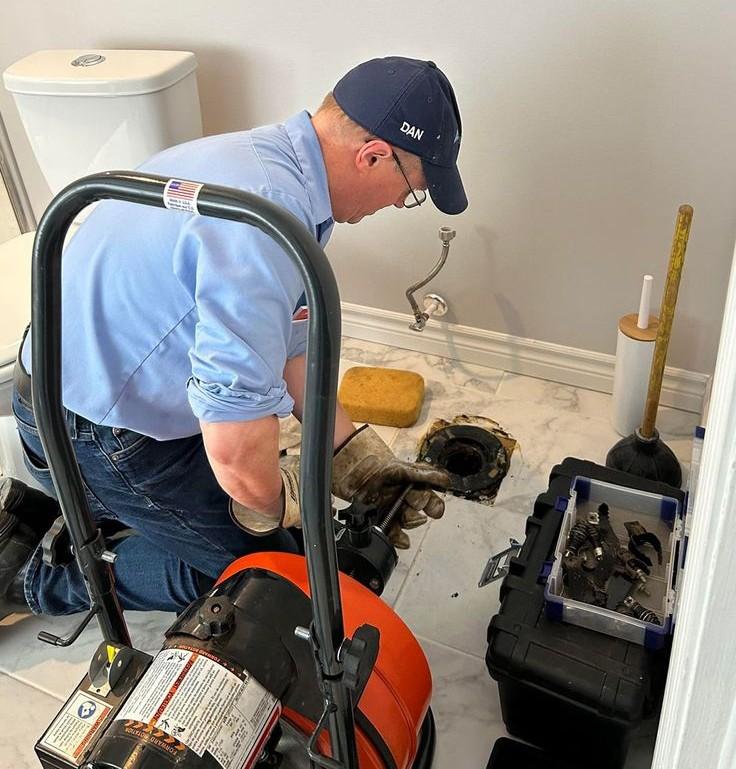
Storm drains play a vital role in protecting homes, businesses, roads, and parking lots from flooding. They are designed to collect rainwater and direct it safely away from properties, reducing the risk of standing water and structural damage. However, like any drainage system, storm drains require regular maintenance to function properly. Without routine care, leaves, dirt, trash, and other debris can accumulate, restricting water flow and creating costly problems.
Understanding why storm drain maintenance matters can help property owners avoid expensive repairs, improve drainage efficiency, and keep their properties safe during heavy rainfall.
Storm Drains Handle Large Amounts of Water
During storms, a properly functioning storm drain moves large volumes of water away from buildings and paved surfaces. If the system becomes partially or completely blocked, water has nowhere to go.
This can result in:
- Flooded parking lots
- Standing water around buildings
- Water entering basements
- Landscape erosion
- Damage to sidewalks and driveways
Routine maintenance helps ensure the drainage system remains capable of handling heavy rainfall.
Debris Builds Up Over Time
Even if a storm drain appears clear from the surface, debris often collects inside underground pipes.
Common materials found inside storm drains include:
- Leaves
- Grass clippings
- Dirt
- Mud
- Tree branches
- Trash
- Small rocks
As debris accumulates, water flow becomes restricted, increasing the likelihood of backups during storms.
Prevents Costly Property Damage
Water is one of the most damaging forces affecting residential and commercial properties. Poor drainage can lead to significant repair expenses if ignored.
Storm drain maintenance helps reduce the risk of:
- Foundation damage
- Water intrusion
- Pavement deterioration
- Soil erosion
- Structural weakening
- Mold and moisture issues
Preventive maintenance is typically much less expensive than repairing flood-related damage.
Reduces the Risk of Flooding
Flooding doesn't always require severe weather. Even moderate rainfall can overwhelm a clogged drainage system.
If your property's drains repeatedly overflow or water remains after storms, scheduling a professional storm drain cleaning service can help remove accumulated debris, restore proper drainage, and reduce the likelihood of flooding during future rain events.
Protects Roads and Parking Areas
Standing water doesn't just affect buildings—it also damages paved surfaces.
Poor drainage contributes to:
- Potholes
- Asphalt cracking
- Surface erosion
- Premature pavement failure
Keeping storm drains clear allows water to drain quickly, extending the lifespan of parking lots, driveways, and roadways.
Improves Public Safety
Flooded walkways and parking areas create safety hazards for pedestrians and drivers alike.
Regular storm drain maintenance helps prevent:
- Slippery surfaces
- Reduced vehicle traction
- Hidden potholes
- Trip hazards
- Limited visibility caused by standing water
Safer conditions benefit both property owners and visitors.
Helps Protect the Environment
Blocked storm drains don't just affect private property. Overflowing drainage systems may carry pollutants into nearby streams, rivers, and lakes.
Routine maintenance helps reduce the movement of:
- Oil
- Chemicals
- Sediment
- Plastic waste
- Organic debris
Cleaner drainage systems contribute to healthier local waterways and ecosystems.
Extends the Life of the Drainage System
Storm drain systems are built to last, but neglect can shorten their lifespan.
Routine inspections and maintenance help identify problems such as:
- Pipe blockages
- Minor cracks
- Joint separation
- Root intrusion
- Sediment buildup
Finding these issues early often prevents more extensive and costly repairs later.
Supports Better Water Flow
Efficient drainage depends on unrestricted water movement.
When storm drains are properly maintained, they:
- Drain faster during storms
- Reduce standing water
- Improve runoff management
- Lower pressure inside drainage pipes
Better water flow means the entire drainage system performs more effectively when it's needed most.
Saves Money Over Time
Many property owners delay maintenance because the system appears to be working normally. Unfortunately, hidden blockages often develop long before visible symptoms appear.
Routine maintenance helps reduce expenses by preventing:
- Emergency repairs
- Flood restoration
- Pavement replacement
- Landscape repairs
- Pipe reconstruction
Investing in preventive care is usually far more affordable than dealing with unexpected failures.
Signs Your Storm Drain Needs Attention
Watch for warning signs that indicate maintenance may be needed.
Common indicators include:
- Water draining slowly
- Standing water after rainfall
- Debris around drain openings
- Unpleasant odors
- Overflow during moderate rain
- Visible sediment buildup
Addressing these issues early helps prevent more serious drainage problems.
Create a Regular Maintenance Schedule
The best way to keep storm drains functioning properly is through consistent maintenance.
Property owners should consider:
- Seasonal inspections
- Removing surface debris
- Cleaning catch basins
- Monitoring water flow
- Professional drain inspections when necessary
Regular maintenance reduces unexpected problems and helps keep the system operating efficiently year-round.
Final Thoughts
Storm drains are an essential part of protecting properties from water damage, but they can only perform effectively when they are properly maintained. Leaves, dirt, sediment, and other debris gradually build up over time, increasing the risk of flooding, property damage, and expensive repairs.
By investing in routine storm drain maintenance, property owners can improve drainage performance, extend the life of their drainage system, enhance safety, and reduce long-term maintenance costs. Taking a proactive approach today helps ensure your storm drains are ready to handle the next heavy rainfall with confidence.

 Arabic
 French
 Spanish
 Portuguese
 Deutsch
 Turkish
 Dutch
Dutch
 Italiano
 Russian
 Romaian
 Portuguese (Brazil)