
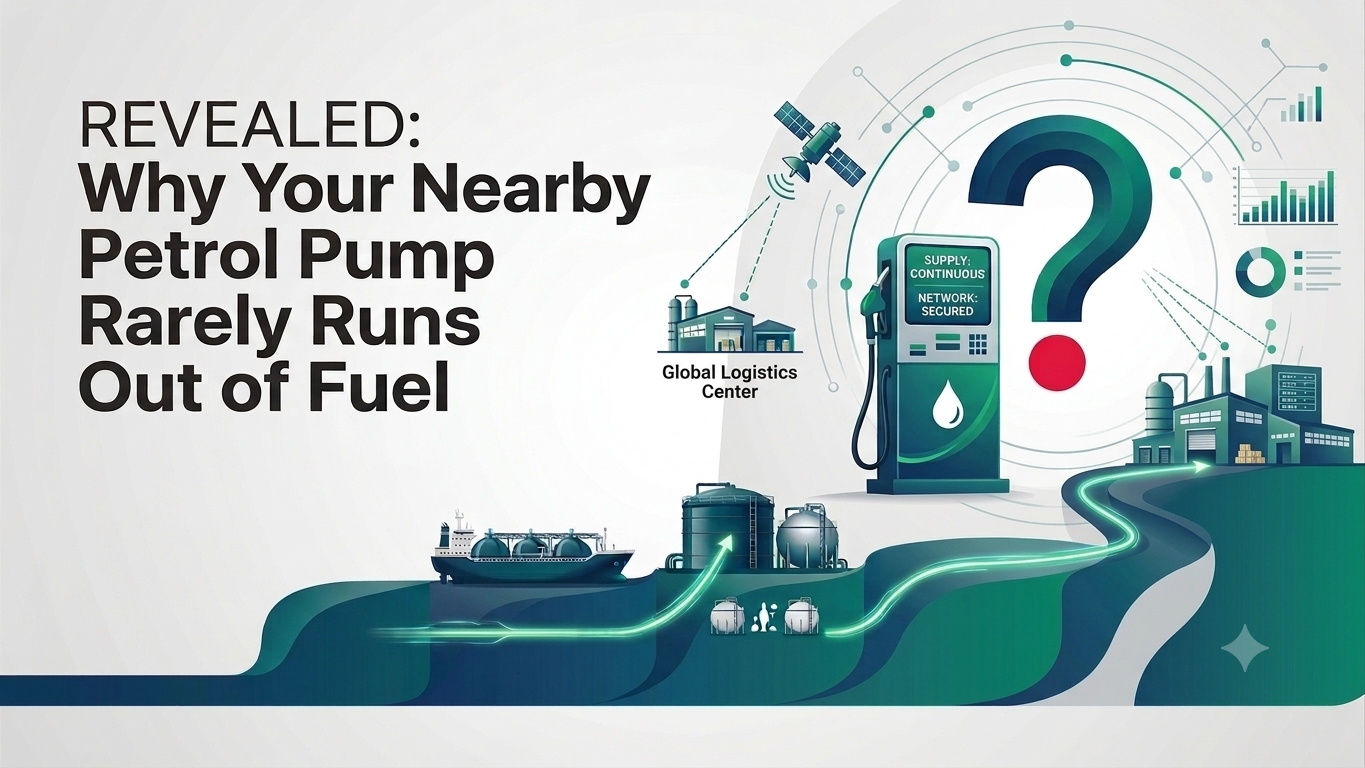
Have you ever noticed that your nearby petrol pump almost always has fuel ready, even during rush hour or a long weekend? Some stations do run dry once in a while, but most stay stocked because of planning that happens well before you ever pull up to the pump. In this blog, we will look at how fuel supply is actually managed in Pakistan, including a part of the process most people never hear about, so you understand why some pumps rarely face shortages while others struggle.
How a Nearby Petrol Pump Manages Its Daily Fuel Stock
A Nearby Petrol Pump does not wait until it is almost empty before ordering more fuel. Most stations follow a set ordering pattern based on daily sales, so a busy pump on a main road orders far more often than a smaller one in a quiet area. Station owners track how many liters go out each day and place fresh orders before their tanks drop below a set level.
Storage tank size also matters here. Pumps with larger underground tanks can hold more fuel at once, which gives them a bigger cushion if a delivery is delayed by a day. Combine steady ordering habits with decent tank capacity, and you get a station that rarely runs empty, even when demand jumps suddenly.
OGRA Role in Keeping Fuel Stock Levels Steady
This is a part most people never think about. The Oil and Gas Regulatory Authority, or OGRA, requires oil marketing companies and distributors to maintain a minimum number of days of fuel stock at all times, not just at the pump but across storage terminals nationwide. This rule exists specifically to prevent sudden nationwide shortages when there is a delay in imports or a disruption somewhere in the supply chain.
Because of this stock requirement, companies cannot simply sell down to zero and wait for the next shipment. They have to keep a buffer running at all times, which trickles down to individual stations having a more consistent supply. When this buffer gets thin, whether due to import delays or shipping route problems, that is usually when the country starts hearing about fuel shortage warnings in the news, even before pumps on the ground actually run dry.
Why Fuel Logistics Matter More Than People Realize
Reliable Fuel Logistics is one of the biggest reasons a station stays stocked. This covers how tankers are scheduled, which routes they take, and how quickly a delivery can reach a pump once an order goes in. A petroleum distributor with a strong logistics setup can respond fast when a station's stock starts running low, instead of leaving it to wait days for its next scheduled delivery.
Road conditions, distance from the nearest depot, and fuel availability at the source all affect delivery timing. Distributors that run their own transport fleet usually manage deliveries more smoothly than those depending on hired tankers, since they have direct control over scheduling and can prioritize stations that need fuel urgently rather than waiting in a shared queue.
Petroleum Companies in Pakistan and How They Cover the Country
Most petroleum companies in Pakistan build their own supply networks so their branded pumps keep running without interruption. This usually means storage terminals placed across different regions, paired with supply agreements with local refineries and import terminals to keep petrol and diesel flowing in. A company with terminals spread across the country can react to local demand faster than one relying on a single central storage point.
The scale of these networks varies a lot. Some of the larger oil marketing companies operate thousands of retail outlets nationwide, while smaller and newer distributors are still expanding their reach city by city. The way each company plans its terminals and outlet locations directly affects how often you find a fuel station running low in a particular area.
Sitara Petroleum: Reliable Fuel Distributor Behind Petrol Pumps Nearby
At Sitara Petroleum, we operate as a Fuel Distributor in Pakistan with more than 60+ fuel stations running across different cities and towns. What sets us apart is our own fleet network, which we use to move fuel directly from storage points to our stations without depending on outside transport. This gives us direct control over delivery timing, so we can respond quickly whenever a station needs a fresh supply instead of waiting on a third party.
Because we manage both the stations and the fleet that supplies them, we plan deliveries around actual demand rather than guessing. This is a big part of why petrol pumps nearby under our network tend to stay stocked, even when demand rises unexpectedly in a particular area.
When and Why Some Petrol Pumps Still Run Dry
Not every pump manages supply the same way, which is why shortages still happen at some stations. A few common reasons include:
-
Poor demand forecasting: Stations that do not track sales closely may order too little, too late.
-
Limited storage capacity: Smaller tanks mean less buffer if a delivery is delayed by even a day.
-
Dependence on third-party transport: Stations relying on hired tankers may face longer waits during busy periods.
-
Import or shipping disruptions: Since Pakistan imports a large share of its crude and refined fuel, delays at ports or along international shipping routes can squeeze supply even when local demand has not changed.
-
Payment or contract issues: Sometimes delays happen further up the chain, between a distributor and the refinery or import terminal, which then affects the pump.
Understanding these reasons makes it easier to see why some pumps run smoothly while others post out-of-stock signs more often, especially during periods of regional or international supply pressure.
Conclusion
A nearby petrol pump that rarely runs out of fuel is usually the result of good planning, government-mandated stock buffers, steady fuel logistics, and a distributor that keeps a close eye on demand. From storage capacity to fleet management to OGRA's stock requirements, several things work together to keep petrol pumps nearby stocked and ready. The next time your local pump has fuel available without any wait, you will know it is not luck; it is the result of a supply chain built to handle exactly this kind of pressure.

 Arabic
 French
 Spanish
 Portuguese
 Deutsch
 Turkish
 Dutch
Dutch
 Italiano
 Russian
 Romaian
 Portuguese (Brazil)