
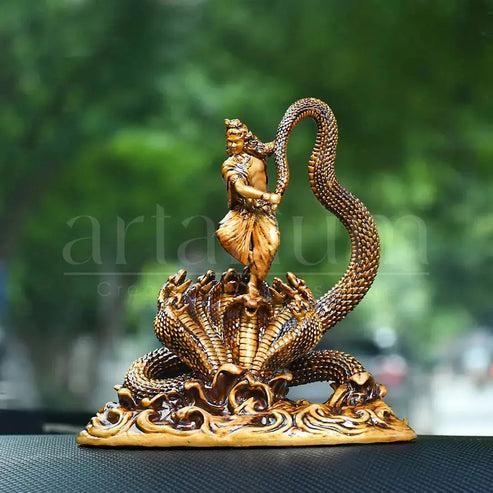
Radha Krishna are among the most beloved and worshipped figures in Hinduism. Their divine relationship represents the purest form of love, devotion, and spiritual connection. For centuries, devotees have looked to Radha Krishna as symbols of unconditional affection, unwavering faith, and the eternal bond between the human soul and the Divine. Their stories, teachings, and sacred presence continue to inspire millions of people around the world.
Lord Krishna, the eighth incarnation of Lord Vishnu, is known as the protector of righteousness and the guide of humanity. His life is filled with wisdom, compassion, and miraculous deeds. Radha, on the other hand, is regarded as the embodiment of devotion and divine love. Together, Radha and Krishna illustrate a spiritual relationship that goes beyond worldly limitations and material desires.
The Meaning Behind Radha Krishna
The relationship between Radha and Krishna is not merely a romantic tale; it carries deep spiritual significance. In Hindu philosophy, Krishna represents the Supreme Consciousness, while Radha symbolizes the individual soul seeking union with God. Their divine connection reflects the journey of every devotee who strives to attain spiritual enlightenment through love and devotion.
Radha’s complete surrender to Krishna demonstrates the importance of faith and dedication on the spiritual path. Her love is selfless, pure, and unwavering, making her an ideal example of devotion. Krishna’s affection for Radha shows that the Divine responds to sincere love and devotion with infinite grace and compassion.
Radha Krishna in Sacred Traditions
The stories of Radha and Krishna are celebrated in numerous Hindu scriptures, devotional songs, and cultural traditions. Their divine pastimes in Vrindavan are remembered as expressions of joy, love, and spiritual bliss. These stories are not only entertaining narratives but also valuable lessons that teach the importance of humility, devotion, and faith.
Devotional movements across India have emphasized the worship of Radha Krishna as a means of attaining spiritual fulfillment. Saints, poets, and spiritual leaders have composed countless hymns and poems praising their divine love. Their influence can be seen in classical music, dance performances, paintings, and religious festivals that continue to thrive today.
Symbolism of Radha Krishna’s Divine Love
The imagery of Radha Krishna carries profound symbolic meaning. Krishna is often shown playing a flute, which represents the divine call that attracts souls toward spiritual awakening. The sweet melody of the flute symbolizes God's invitation to experience higher consciousness and inner peace.
Radha standing beside Krishna signifies perfect devotion and spiritual harmony. She represents the soul that is completely absorbed in divine love. Together, they teach that true happiness comes not from material possessions but from a loving relationship with the Divine.
Their presence also symbolizes balance. Krishna represents wisdom and divine power, while Radha embodies love and devotion. This union demonstrates that spiritual growth requires both knowledge and heartfelt faith.
Worship and Devotional Practices
Millions of devotees worship Radha Krishna daily through prayers, meditation, and devotional singing. Temples dedicated to Radha Krishna are found throughout India and many parts of the world. Devotees offer flowers, incense, fruits, and sweets as expressions of gratitude and love.
Chanting Krishna’s holy names and singing bhajans are common practices among followers. These devotional activities help calm the mind, strengthen faith, and create a deeper spiritual connection. Many people believe that remembering Radha Krishna brings peace, prosperity, and happiness into their lives.
The presence of Radha Krishna idols or pictures in homes is also considered auspicious. Their divine image creates a positive atmosphere and encourages family members to cultivate love, respect, and harmony in their relationships.
Festivals Celebrating Radha Krishna
Several important Hindu festivals are dedicated to Radha Krishna. Janmashtami, the celebration of Lord Krishna’s birth, is observed with great devotion and enthusiasm. Temples are beautifully decorated, devotional songs are sung, and devotees participate in fasting and prayers.
Radhashtami, the appearance day of Radha, is another significant festival. It honors Radha’s divine qualities of love, devotion, and purity. During these celebrations, devotees gather to remember the sacred pastimes of Radha Krishna and seek their blessings.
These festivals serve as opportunities for spiritual reflection and strengthen the sense of community among devotees.
Lessons for Modern Life
The teachings associated with Radha Krishna remain relevant in today’s fast-paced world. Their story encourages people to develop qualities such as kindness, patience, forgiveness, and compassion. It reminds individuals that true fulfillment comes from meaningful relationships and spiritual values rather than material success alone.
Radha’s unwavering devotion teaches the importance of faith during challenging times. Krishna’s wisdom inspires people to perform their duties with sincerity while maintaining inner balance and peace. Together, they offer a timeless message of love, harmony, and spiritual growth.
In a world often filled with stress and distractions, the example of Radha Krishna provides guidance for living a life rooted in positivity, devotion, and purpose.
Conclusion
Radha Krishna represent the eternal union of divine love and devotion. Their sacred relationship continues to inspire millions of people to seek spiritual growth, cultivate selfless love, and strengthen their connection with God. Through worship, prayer, and reflection on their teachings, devotees experience inner peace, happiness, and spiritual fulfillment. The timeless message of Radha Krishna reminds humanity that love, faith, and devotion are among the greatest forces in life and the true path to lasting joy.(Read more)

 English
 Arabic
 French
 Spanish
 Portuguese
 Deutsch
 Turkish
 Dutch
Dutch
 Italiano
 Russian
 Romaian