
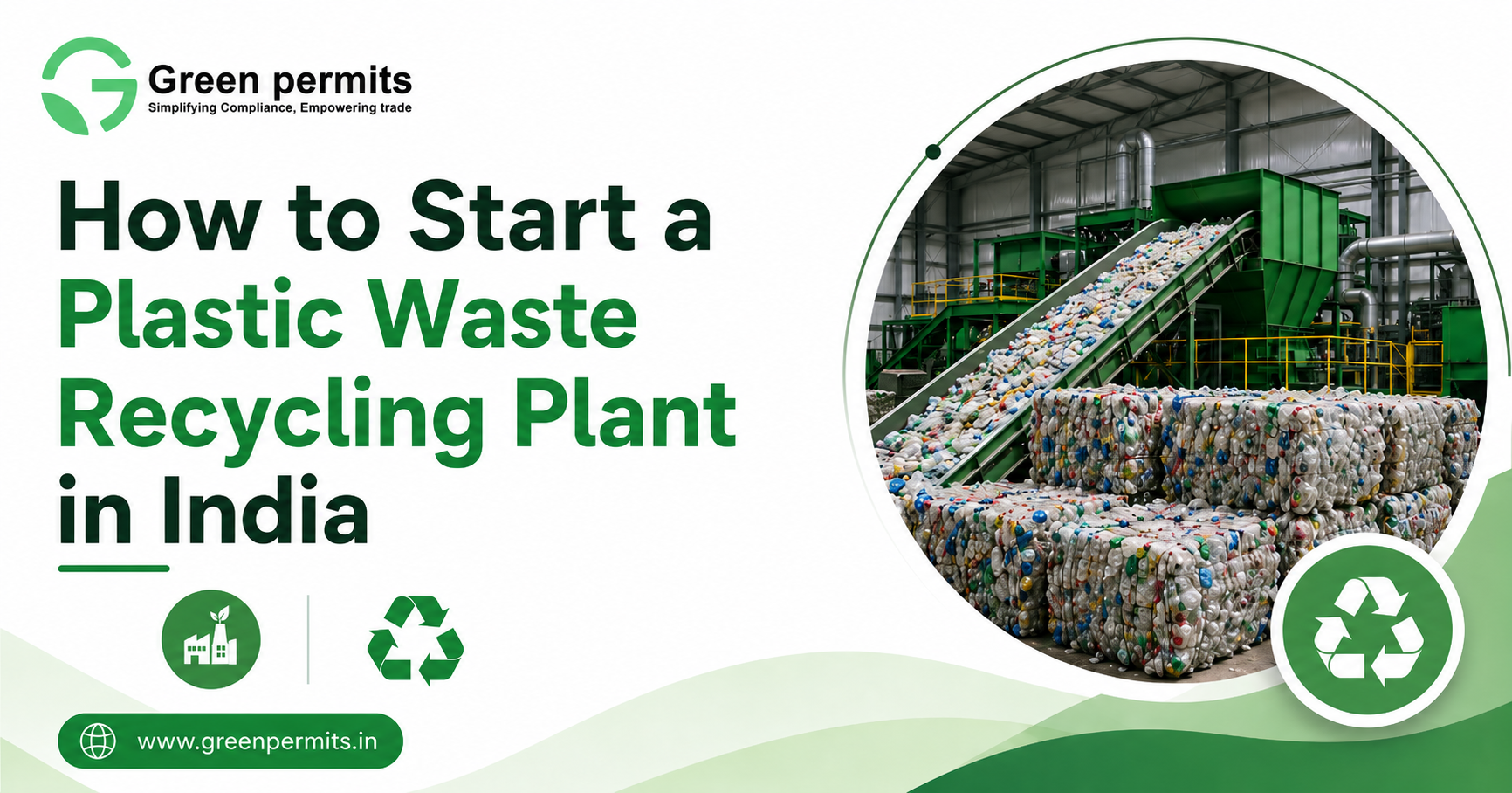
Plastic waste management has become one of the biggest environmental and industrial challenges due to the increasing use of plastic packaging, disposable products, industrial materials, and consumer goods across various sectors. Every year, a large quantity of plastic waste is generated from households, industries, commercial establishments, and packaging operations. Improper disposal of plastic waste creates serious environmental pollution and impacts land, water, and public health.
To address this issue, the government is encouraging organized plastic waste recycling systems through stricter environmental regulations, EPR compliance frameworks, and recycling initiatives. This has created strong business opportunities for entrepreneurs and industries planning to establish plastic waste recycling plants in India.
The plastic recycling industry is becoming one of the fastest-growing sectors because recycled plastic materials are widely used in manufacturing, packaging, construction, automotive, textile, and infrastructure industries. Setting up a plastic waste recycling plant not only helps generate long-term business profits but also supports sustainable waste management and circular economy development.
Understanding the Plastic Recycling Business
Plastic recycling involves collection, segregation, washing, shredding, processing, and conversion of plastic waste into reusable raw materials or finished products.
The recycling process helps recover useful materials from waste plastic that can be reused for manufacturing new products. Depending on the type of plastic waste, recycling plants may process:
- PET bottles
- HDPE containers
- LDPE plastic waste
- PP materials
- Industrial plastic scrap
- Multilayer plastic waste
The recycled output may include plastic granules, flakes, pellets, or reusable raw materials supplied to manufacturing industries.
With increasing demand for recycled plastic products, the recycling business is becoming a scalable and profitable industrial opportunity.
Planning and Land Requirements for Plastic Recycling Plant
Starting a plastic recycling plant requires proper project planning, industrial land selection, and infrastructure development according to environmental and operational requirements.
The facility generally includes:
- Plastic waste collection and segregation area
- Washing and cleaning section
- Drying and processing units
- Shredding and granulation systems
- Extrusion and pelletizing section
- Finished material storage area
- Pollution control and wastewater systems
The land requirement depends on plant capacity, type of plastic waste processed, machinery setup, and storage infrastructure.
Businesses should select industrial land that complies with zoning regulations, environmental norms, and operational connectivity requirements.
Proper infrastructure planning helps improve operational efficiency and long-term plant performance.
Machinery Required for Plastic Recycling Plant
A plastic recycling facility requires specialized machinery and equipment for handling and processing plastic waste materials safely and efficiently.
The setup generally includes:
- Plastic shredding machines
- Washing and drying systems
- Agglomerator machines
- Extruders and pelletizers
- Conveyor systems
- Granule cutting units
- Material handling equipment
- Pollution control systems
The machinery requirement varies depending on the recycling process, automation level, plant capacity, and type of plastic waste handled at the facility.
Businesses planning high-capacity operations may also require automated sorting systems and advanced recycling technologies.
Proper machinery planning helps improve recycling efficiency, production quality, and operational profitability.
Licenses and Approvals Required
Plastic recycling plants are required to obtain several environmental and industrial approvals before starting operations.
Businesses generally require:
- Consent to Establish (CTE)
- Consent to Operate (CTO)
- Plastic Waste Authorization
- Factory license
- Fire safety approvals
- Local authority permissions
Depending on plant operations and waste categories, additional approvals related to hazardous waste management or environmental compliance may also be required.
Pollution control authorities verify whether the facility has proper systems for:
- Wastewater treatment
- Air pollution control
- Plastic waste storage
- Environmental safety management
- Solid waste handling
Following proper compliance procedures helps businesses avoid legal risks and maintain smooth operational management.
Investment and Operational Cost
The total investment required for a plastic waste recycling plant depends on multiple factors including land area, machinery selection, automation level, plant capacity, and operational infrastructure.
Major investment areas generally include:
- Industrial land and civil construction
- Recycling machinery and equipment
- Utility and electrical infrastructure
- Pollution control systems
- Labor and operational setup
- Storage and transportation systems
Businesses also need to plan for recurring operational expenses such as electricity consumption, water supply, transportation, manpower, machinery maintenance, and raw material procurement.
The project cost may vary depending on whether the plant is designed for small-scale, medium-scale, or fully automated industrial recycling operations.
With proper planning and operational management, plastic recycling plants can generate strong long-term returns and sustainable business growth.
Market Opportunities in Plastic Recycling
The demand for recycled plastic materials is increasing rapidly due to environmental regulations and sustainability initiatives across industries.
Recycled plastic products are widely used in:
- Packaging industries
- Plastic manufacturing units
- Textile and fiber industries
- Construction materials
- Automotive applications
- Household product manufacturing
Many industries are now focusing on recycled plastic raw materials to meet sustainability targets and reduce dependence on virgin plastic.
Government policies related to plastic waste management and EPR compliance are also encouraging industries to use recycled materials in manufacturing processes.
Businesses entering the recycling sector at the right stage can establish scalable and profitable operations with strong future demand.
Importance of Plastic Waste Recycling
Plastic recycling plays a major role in environmental protection and sustainable waste management.
Scientific recycling systems help:
- Reduce landfill waste
- Recover reusable plastic materials
- Minimize environmental pollution
- Support circular economy systems
- Reduce dependence on virgin plastic production
- Improve resource efficiency
Organized recycling infrastructure also helps reduce plastic pollution in rivers, oceans, and urban environments.
As sustainability and environmental compliance become more important globally, plastic recycling businesses are expected to play a critical role in future industrial development.
Learn the Complete Plastic Recycling Plant Setup Process
If you are planning to start a plastic waste recycling plant in India, understanding the machinery requirements, investment planning, environmental approvals, recycling process, and operational setup is essential before starting operations.
Read the complete guide here:
👉 https://www.greenpermits.in/plastic-waste-recycling-plant-setups/
📞 Get Expert Assistance for Plastic Recycling Plant Setup
If you need assistance with plastic recycling plant setup, machinery planning, environmental approvals, EPR compliance, or pollution control documentation, the experts at Green Permits Consulting can guide you throughout the complete process.
🌐 Website: https://www.greenpermits.in
📞 Phone: +91 78350 06182
📧 Email: wecare@greenpermits.in

 Arabic
 French
 Spanish
 Portuguese
 Deutsch
 Turkish
 Dutch
Dutch
 Italiano
 Russian
 Romaian
 Portuguese (Brazil)