
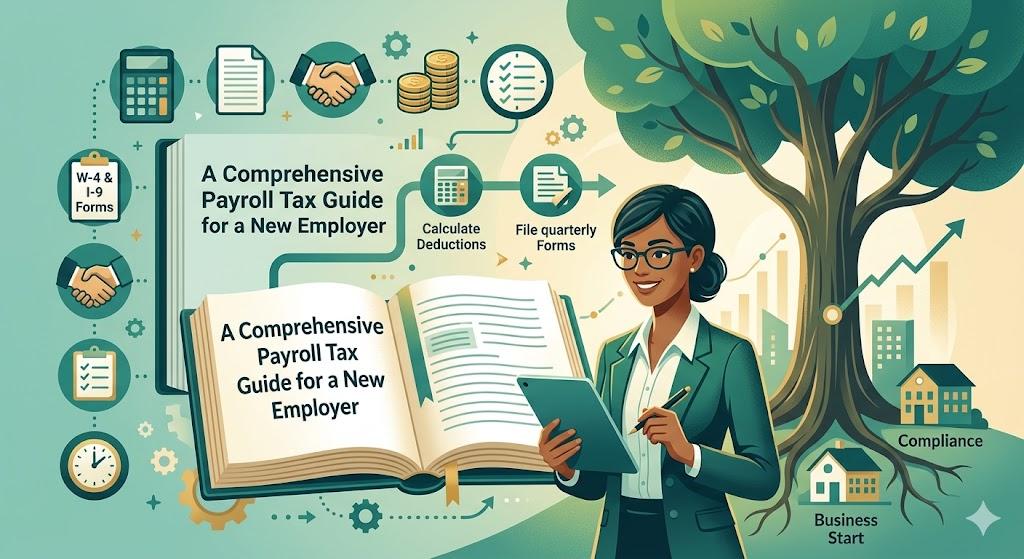
If you have recently started a new business, then there are a number of different things that you need to learn. Managing a business comes with a lot of new responsibilities, and one such important responsibility that you need to keep in mind is managing payroll taxes.
Managing your payroll taxes is on the more complex side of business, but it is imperative for you to get it right, and to ensure that we are here to provide you with some of the basic information that you need to know about payroll taxes and what is in payroll tax.
Understanding the meaning of Payroll Tax
The first thing that you need to know is what is payroll tax. In simple terms, these taxes are levied by the state and the federal government on an employee’s taxable compensation. This means that an employer pays this tax to fund insurance programs for their employees, such as Social Security and Medicare, and it is only applied to the wages and salaries of the employees.
Now that you have understood taxable payroll, take a look at the components of this tax:
-
Income Tax Withholding: Employers take this tax out of your paycheck, using details from your Form W-4. You’re the one paying it, but it doesn’t cost your employer anything.
-
FICA (Social Security and Medicare): This one’s split between you and your boss. Social Security, officially OASDI, helps pay for benefits to retirees, some family members, and people with disabilities. Medicare taxes kick in to cover Part A for folks 65 and up (or those who qualify) without extra charges.
-
FUTA (Federal Unemployment Tax Act): Only employers pay FUTA. The money goes straight into unemployment compensation programs.
-
State Unemployment Tax: Usually, employers handle these payroll taxes, but a handful of states make employees pitch in, too.
Well, this is exactly what you need to be familiar with when you are wondering what are payroll taxes.

 Arabic
 French
 Spanish
 Portuguese
 Deutsch
 Turkish
 Dutch
Dutch
 Italiano
 Russian
 Romaian
 Portuguese (Brazil)