
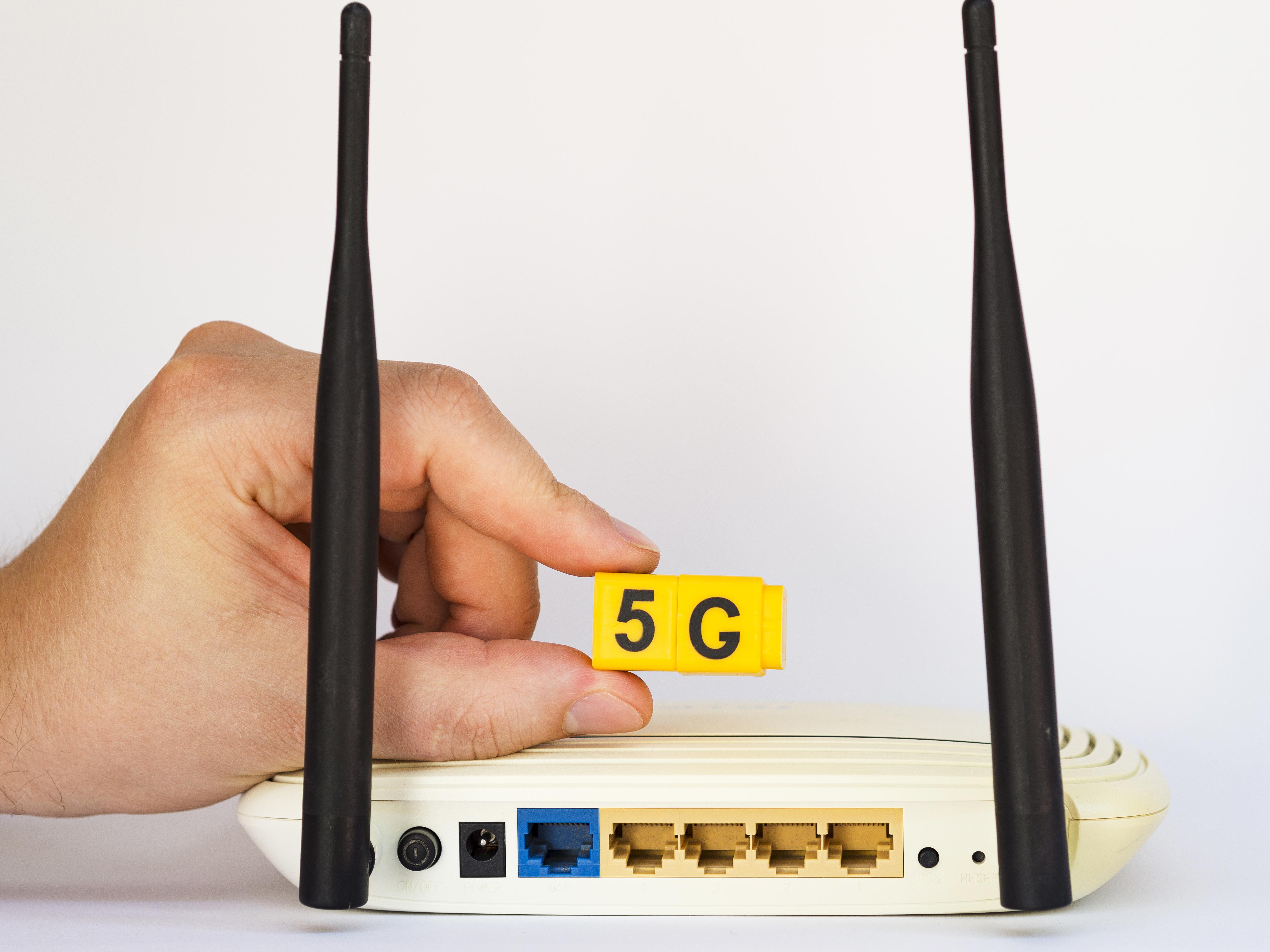
As internet usage continues to surge especially in urban areas, offices, and event environments network congestion has become a common challenge. Slow speeds, buffering, dropped video calls, and delayed uploads are often the result of overloaded networks. Relying on a single connection is no longer enough when multiple users and devices are competing for bandwidth.
A 5 SIM cellular bonding router offers a practical and powerful way to handle this problem. By combining multiple cellular networks into a single, high-performance connection, it ensures smoother, faster, and more reliable internet—even during peak usage hours.
Understanding Network Congestion
Network congestion occurs when too many users are connected to the same network at the same time. This leads to reduced speed, increased latency, and poor overall performance.
Common causes include:
- Peak-hour internet usage in residential and commercial areas
- High device density in offices or events
- Limited bandwidth from a single ISP
- Heavy data activities like streaming, downloads, and cloud usage
When congestion hits, traditional routers struggle because they rely on just one network source.
What is a 5 SIM Cellular Bonding Router?
A 5 SIM cellular bonding router is a multi-network device that uses five SIM cards simultaneously—often from different telecom providers—and merges them into one unified internet connection.
Instead of sending all data through one congested network, it distributes traffic across multiple networks. This not only increases total bandwidth but also reduces the load on any single connection.
How It Handles Network Congestion Efficiently
1. Multi-Network Data Distribution
One of the biggest advantages of a 5 SIM bonding router is its ability to spread data across multiple networks. When one network is congested, the router automatically shifts more traffic to other available networks, maintaining consistent performance.
2. Increased Total Bandwidth
By combining five connections, the router significantly increases available bandwidth. This ensures that even during high-demand periods, users experience faster speeds and smoother browsing.
3. Intelligent Traffic Management
Advanced bonding routers use smart algorithms to monitor network conditions in real time. They automatically route data through the fastest and least congested network at any given moment.
4. Seamless Failover Support
If a network becomes too slow or completely unavailable, the router instantly reroutes traffic to other active SIMs. This ensures uninterrupted connectivity without manual intervention.
5. Reduced Latency During Peak Hours
High congestion often leads to delays. With multiple active connections, the router minimizes latency, improving performance for real-time applications like video calls and online collaboration.
Ideal Use Cases for Congestion Management
A 5 SIM cellular bonding router is especially useful in environments where network congestion is frequent:
Offices with High Device Usage
Businesses with multiple employees using cloud tools, video calls, and shared networks can maintain smooth operations without slowdowns.
Events and Exhibitions
Large gatherings often overload nearby mobile networks. A bonding router ensures stable connectivity for ticketing systems, live streaming, and communication.
Retail Stores and POS Systems
Congestion can disrupt payment processing. A stable connection ensures seamless transactions and better customer experience.
Urban Residential Areas
In densely populated locations, network congestion is common during evenings. A bonding router helps maintain consistent speeds.
Remote Work Setups
Professionals working from home can avoid slow connections during peak hours, ensuring productivity remains unaffected.
Key Features to Look For
When choosing a 5 SIM bonding router for congestion handling, focus on these features:
True Bonding Technology
Ensure the device combines bandwidth rather than just switching between networks.
Real-Time Network Monitoring
Smart routers continuously analyze network performance and adjust traffic distribution accordingly.
Multi-Operator Compatibility
Support for multiple telecom providers increases flexibility and efficiency.
Advanced Load Optimization
Look for features that dynamically balance traffic based on network conditions.
Strong Security Measures
Built-in VPN, firewall, and encryption keep your data safe while using multiple networks.
Advantages Over Traditional Routers
Traditional routers depend on a single internet connection, making them highly vulnerable to congestion. In contrast, a 5 SIM bonding router provides:
- More stable and consistent internet performance
- Better handling of multiple users and devices
- Reduced chances of downtime or slow speeds
- Improved efficiency during peak usage periods
This makes it a superior choice for modern connectivity needs.
Practical Considerations
While the benefits are clear, there are a few factors to consider:
- Initial investment may be higher than standard routers
- Requires multiple active SIM data plans
- Performance depends on the quality of available networks
However, for users who regularly face congestion issues, the improved reliability and speed justify the investment.
The Future of Congestion-Free Connectivity
With the growing adoption of smart devices, cloud computing, and remote work, network congestion will continue to be a challenge. Solutions like 5 SIM cellular bonding routers are becoming essential for maintaining performance and reliability.
As telecom infrastructure improves and 5G expands, these routers will become even more powerful, offering faster speeds and smarter traffic management.
Conclusion
A 5 SIM cellular bonding router is an effective solution for handling network congestion efficiently. By distributing data across multiple networks, increasing bandwidth, and intelligently managing traffic, it ensures smooth and uninterrupted internet performance—even during peak usage.
For businesses, professionals, and heavy internet users, investing in this technology can significantly improve connectivity and eliminate the frustration caused by slow or unstable networks.

 Arabic
 French
 Spanish
 Portuguese
 Deutsch
 Turkish
 Dutch
Dutch
 Italiano
 Russian
 Romaian
 Portuguese (Brazil)