
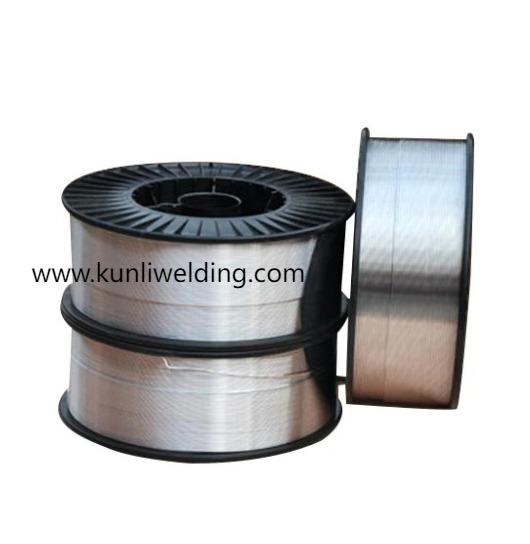
Modern engineering constantly searches for materials that balance weight reduction with structural endurance, particularly as global industries shift toward more sustainable transportation and energy storage solutions. When fabricators work with high magnesium alloys, finding a compatible filler metal becomes a critical priority to ensure that the finished structure can withstand harsh environmental stresses. One such material that has gained significant traction in specialized manufacturing sectors is Aluminum Welding Wire ER5183 , which serves as a vital link in creating robust joints for maritime and heavy industrial applications.
The shift toward lightweight materials is visible in the construction of modern high speed ferries, patrol boats, and luxury yachts. Aluminum is chosen for these vessels because it offers a high strength to weight ratio, which reduces fuel consumption and increases speed. However, welding aluminum in a marine environment presents unique challenges. Saltwater is a corrosive agent that can quickly degrade a weld if the chemical composition of the filler metal does not match the base alloy. This specific wire is designed with a high magnesium content to provide the necessary tensile strength and corrosion resistance required for these demanding conditions. By using a filler metal that mirrors the properties of the base material, engineers can prevent the joint from becoming the weakest point of the structure.
Beyond the maritime industry, the manufacturing of pressure vessels and storage tanks also relies heavily on these specialized materials. Whether for the transport of liquefied gases or the containment of industrial chemicals, these vessels must operate under significant internal pressure and varying temperatures. A weld failure in such a scenario would have serious consequences for safety and the environment. This is why manufacturers prioritize filler metals that offer high ductility and impact resistance. The ability of the weld to deform slightly under stress without cracking is a safety feature that protects the integrity of the vessel during its long service life.
The process of welding high magnesium alloys requires a steady hand and a deep understanding of thermal management. Aluminum conducts heat much faster than steel, which means that the welding arc must be controlled with precision to ensure proper penetration without burning through the metal. Fabricators value wire that feeds smoothly through the torch and produces a stable arc. This consistency reduces the likelihood of defects such as porosity or cold laps, which can compromise the structural integrity of the joint. In high volume production environments, the reliability of the consumable material is just as important as the skill of the welder.
As global infrastructure projects become more complex, the demand for high performance alloys continues to grow. From bridge components to railway carriages, the use of magnesium bearing aluminum is expanding into areas where durability and low maintenance are essential. The long term performance of these structures depends on the quality of the welds. Choosing the right filler metal is not just a technical detail; it is a strategic decision that affects the lifespan and safety of the entire project. By selecting materials that are specifically formulated for high stress applications, companies can ensure that their work meets the rigorous standards required by modern industry.
The versatility of Aluminum Welding Wire ER5183 allows it to be used across a variety of welding positions and equipment types. Whether using manual techniques or automated robotic systems, the material provides a consistent bead profile and minimal spatter. This ease of use contributes to higher productivity and lower cleanup costs on the shop floor. In an era where efficiency and quality are paramount, having a dependable material that performs across different platforms is a significant advantage for any fabrication business.
Innovation in material science continues to drive the evolution of welding consumables. Researchers are constantly looking for ways to improve the grain structure of the weld deposit to enhance its fatigue resistance. For structures that are subject to cyclic loading, such as transportation vehicles, the ability to resist the formation of microscopic cracks over time is vital. High magnesium filler wires are at the forefront of this development, providing a robust solution for the next generation of industrial design.
When embarking on complex projects involving magnesium bearing aluminum, having a reliable source for high quality consumables is essential for success. The integrity of your welds defines the safety and durability of the final product, especially when dealing with marine environments or high pressure storage systems. Professionals who demand consistency and performance in their materials often look for specialized suppliers who understand these technical nuances. For a wide range of reliable options and to find the right materials for your specific industrial needs, visit the resource available at https://kunliwelding.psce.pw/8p6qdv . Using the right tools ensures that every joint contributes to a structure that is built to last.

 Arabic
 French
 Spanish
 Portuguese
 Deutsch
 Turkish
 Dutch
Dutch
 Italiano
 Russian
 Romaian
 Portuguese (Brazil)