
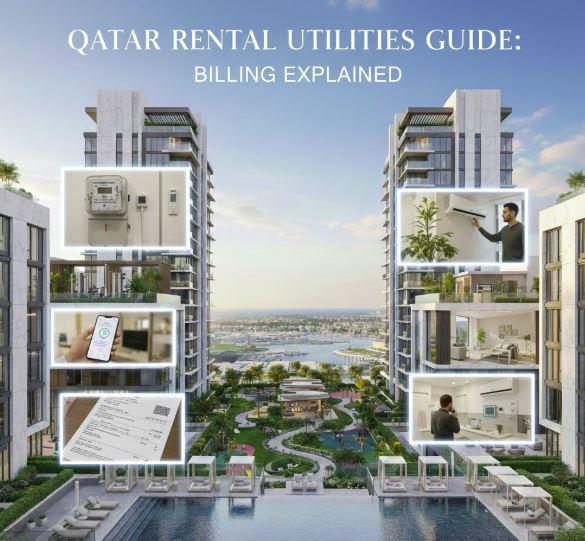
Learn how are utilities billed for rent flats in Qatar, including utility charges in Qatar, tenant rules, and costs. Read before signing your lease today.
Renting a flat in Qatar involves more than paying monthly rent alone. Many tenants ask, how are utilities billed for rent flats in Qatar, especially when reviewing contracts. Billing methods vary by property type, landlord policy, and included services. Understanding these basics helps tenants avoid confusion, budget accurately, and prevent billing disputes later.
Utility billing often depends on whether a property is furnished, serviced, or privately managed. Some landlords include utilities within rent, while others separate charges monthly. Knowing the difference matters when comparing flats, negotiating leases, or planning long term living costs in Qatar.
Before signing any lease, it helps to explore trusted platforms focused on qatar real estate. Reliable property listings often clarify utility responsibilities upfront, saving tenants time, stress, and unexpected monthly expenses.
How Utility Billing Works in Rental Flats
Utility billing in Qatar rental flats follows clear patterns shaped by building management and rental agreements. Most tenants encounter either inclusive rent models or separate metered billing systems. Understanding each option helps renters choose flats aligned with their budgets and lifestyle needs.
Electricity and Water Billing Through Kahramaa
Electricity and water services in Qatar are provided by Kahramaa. In many rented flats, bills are issued directly to tenants based on meter readings. Some landlords keep accounts in their name and recharge tenants monthly.
Common billing arrangements include:
-
Individual meters registered under tenant names
-
Shared meters with proportional cost division
-
Fixed monthly charges estimated by landlords
Tenants should confirm meter registration before moving in. Clear agreement wording helps avoid disputes over late fees, unpaid balances, or unexpected high seasonal usage.
Cooling Charges and District Cooling Systems
Many modern residential buildings use district cooling instead of individual air conditioning units. Cooling charges are usually billed separately from electricity. These costs vary based on usage, building size, and cooling provider agreements.
District cooling bills may be:
-
Paid directly to the cooling company
-
Included within rent for serviced apartments
-
Charged monthly by building management
Tenants should request past cooling bills to understand average costs. Cooling expenses can increase significantly during summer months, affecting overall rental affordability.
Internet, TV, and Communication Services
Internet and television services are not typically included in rent for standard flats. Tenants usually arrange these services independently through local providers. Monthly charges depend on package selection and contract duration.
In serviced or short term rentals, internet and cable television are often included. Tenants should confirm service speed, router availability, and installation fees before signing contracts. Understanding these details prevents setup delays and unexpected initial costs after moving in.
Utility Inclusion in Furnished and Serviced Apartments
Furnished and serviced apartments often include utilities within the rental price. This setup appeals to professionals, families, and short term residents seeking predictable expenses. However, included utilities may have fair usage limits.
Utility inclusive rentals usually cover:
-
Electricity and water up to a capped limit
-
Cooling charges within reasonable usage
-
Internet and basic television services
Exceeding usage limits may result in additional charges. Tenants should request written clarification of caps and billing adjustments to avoid confusion later.
Billing Differences in Private Villas and Compounds
Private villas and residential compounds often follow separate utility billing structures. Villas usually have individual meters, making tenants fully responsible for electricity, water, and cooling costs. Compounds may bundle certain services into rent.
Compound fees sometimes include shared amenities, security, and maintenance. Tenants should separate utility costs from service charges when budgeting. Understanding this distinction ensures accurate monthly expense planning across different property types.
How Utility Costs Impact Rental Comparisons
Comparing flats without reviewing utility structures can lead to misleading affordability assumptions. Lower rent may hide higher monthly utility bills. Inclusive rent may seem expensive but offers stable monthly costs.
When reviewing apartments for rent in Qatar, tenants should calculate total monthly expenses. Adding estimated utilities provides a realistic cost comparison across neighborhoods, property sizes, and building types.
Lease Agreements and Utility Responsibility Clauses
Utility responsibilities must be clearly stated within lease agreements. Well drafted contracts specify who registers meters, payment timelines, and penalties for unpaid bills. Verbal promises should never replace written clauses.
Tenants should review clauses covering:
-
Utility inclusion or exclusion details
-
Meter registration responsibilities
-
Dispute resolution processes
Clear agreements protect both landlords and tenants. Reviewing these sections carefully helps avoid misunderstandings throughout the tenancy period.
Common Utility Billing Challenges for Tenants
Many tenants underestimate seasonal utility cost fluctuations, especially electricity and cooling expenses during summer. Lack of billing transparency may cause confusion when landlords manage utility accounts.
Short term renters sometimes face higher fixed utility charges. Understanding billing cycles and requesting previous bills helps tenants anticipate realistic monthly costs before committing.
Frequently Asked Questions
Are utilities usually included in rent flats in Qatar?
Utilities may or may not be included, depending on property type. Serviced apartments often include utilities, while standard flats usually charge separately.
Who pays Kahramaa bills in rental apartments?
Tenants typically pay Kahramaa bills directly if meters are registered under their names. Some landlords recharge tenants if accounts remain registered to owners.
Are cooling charges separate from electricity bills?
Yes, district cooling charges are usually billed separately. These charges depend on building systems and cooling providers.
Can landlords charge fixed utility fees monthly?
Some landlords charge estimated fixed fees. Tenants should request meter readings or billing breakdowns for transparency.
Conclusion
Understanding how are utilities billed for rent flats in Qatar helps tenants make informed rental decisions. Utility structures vary across property types, locations, and lease agreements. Some flats offer inclusive pricing, while others require separate payments for electricity, water, cooling, and internet. Reviewing contracts carefully, requesting previous bills, and clarifying meter registration protect tenants from unexpected expenses. Accurate budgeting depends on knowing total monthly costs, not just rent alone. By asking the right questions early, renters can secure comfortable housing while maintaining financial stability throughout their stay in Qatar.

 Arabic
 French
 Spanish
 Portuguese
 Deutsch
 Turkish
 Dutch
Dutch
 Italiano
 Russian
 Romaian
 Portuguese (Brazil)