
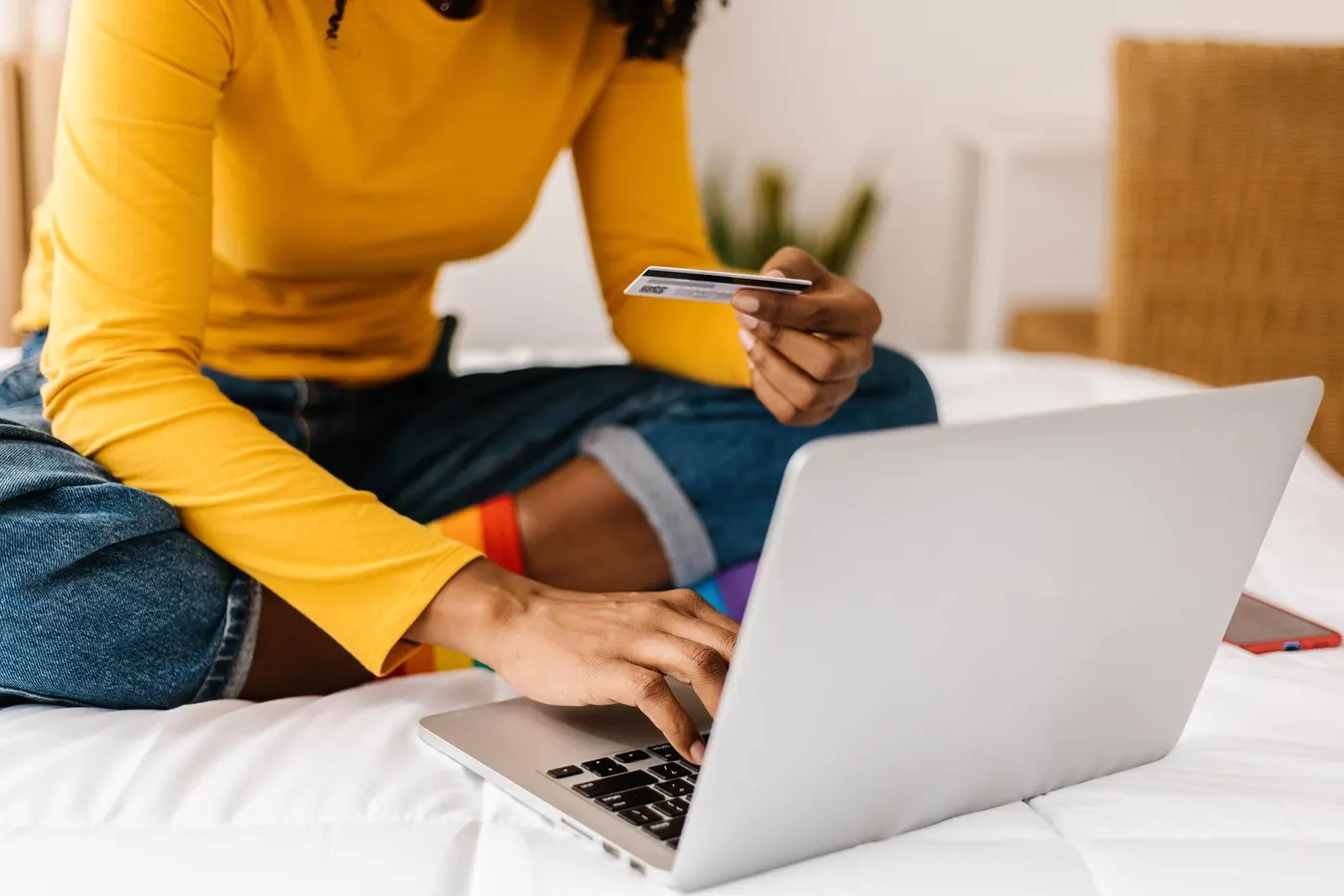
The global narrative around Dropshipping usually focuses on the "US/UK Model": source from China, sell to America, and pocket the difference in dollars. While this remains a lucrative path, a quiet revolution is brewing closer to home. The South Asian e-commerce market comprising Pakistan, India, and Bangladesh is experiencing explosive growth.
With internet penetration reaching rural areas and the proliferation of 4G/5G networks, millions of new customers are coming online every month. For digital entrepreneurs, this represents a "Blue Ocean" opportunity. However, copying the Western dropshipping model blindly in South Asia is a recipe for disaster. The dynamics here are different. The customer behavior is different. And most importantly, the logistics are different.
In this comprehensive guide, we will dissect the realities of running a dropshipping or White Label business in South Asia, tackling the biggest hurdles and offering proven strategies for success.
The "Cash on Delivery" (COD) Dilemma
If you are selling in the USA, you get paid before you ship the product via Stripe or PayPal. In South Asia, the game is entirely different. Cash on Delivery (COD) is king.
Approximately 85% to 90% of e-commerce transactions in this region are COD. This poses a significant challenge for new dropshippers: Cash Flow.
The Problem with COD
-
Capital Lock: You have to buy the product, pay for shipping, and then wait 10 to 15 days for the courier company to remit the cash back to you.
-
RTO (Return to Origin): This is the silent killer of South Asian e-commerce. A customer orders a product, but when the rider arrives, the customer refuses to pay, or they are not home. The product comes back to you, and you lose the shipping cost twice (sending and returning).
The Strategic Solution
Successful local dropshippers do not just accept RTO as fate; they fight it with systems.
-
Confirmation Calls: Before dispatching an order, successful brands use automated or manual calls to confirm the order with the customer.
-
WhatsApp Integration: South Asians love WhatsApp. Sending a tracking link and a friendly message via WhatsApp significantly increases the delivery success rate.
-
Address Validation: Using tools to ensure the address provided is complete helps couriers find the location faster.
To master these operational workflows, many beginners seek professional e-commerce guidance, as managing cash flow cycles is often more important than the product itself.
Sourcing: China vs. Local Wholesalers
The classic dropshipping model involves shipping from AliExpress (China) directly to the customer. In South Asia, this is rarely feasible due to long shipping times (20-30 days) and customs issues. A customer in Lahore or Mumbai expects delivery in 3-5 days, not 3 weeks.
The Shift to Local Dropshipping (White Labeling)
The winning strategy in 2026 is Local Sourcing. Instead of shipping from China, entrepreneurs are connecting with local wholesalers in major market hubs (like Shah Alam Market in Lahore or Sadar Bazaar in Delhi).
-
Inventory-Less Model: You list the wholesaler's products on your website.
-
Fast Shipping: When an order comes, the wholesaler ships it, or you use a local 3PL (Third Party Logistics) provider to pick, pack, and ship within 48 hours.
-
Quality Control: Local sourcing allows you to physically inspect the product, ensuring you aren't selling junk.
This hybrid model bridges the gap between traditional retail and modern dropshipping. It requires building relationships with suppliers, a skill that is often emphasized in advanced business mentorship programs designed for the local market.
The Marketing Advantage: Low CPMs
While the logistics in South Asia are tough, the marketing landscape is a goldmine. In the USA, showing your Facebook ad to 1,000 people (CPM) might cost $20 to $50. In Pakistan or India, that same reach might cost less than $1 to $2.
Volume vs. Margin
Because ad costs are so low, you can afford to sell cheaper products and still be profitable.
-
High Volume Strategy: You might make a smaller profit per sale compared to the US market, but you can generate a much higher volume of sales because the competition on ad platforms is lower.
-
Viral Content: TikTok and Instagram Reels are incredibly powerful in this region. A creative video ad can go viral organically, bringing in sales with zero ad spend.
However, "cheap traffic" does not always mean "good traffic." The challenge lies in targeting the right audience—people with purchasing power—rather than just getting clicks from window shoppers.
Tech Stack: Shopify or WooCommerce?
For the South Asian market, your technology choice matters.
-
Shopify: It is the industry standard. It is easy to use, secure, and has great apps for COD verification. However, the monthly subscription fee is in Dollars, which can be a pinch for beginners.
-
WooCommerce (WordPress): This is open-source and free (you only pay for hosting). It offers more customization for local payment gateways and courier integrations.
For beginners who are serious about scaling, Shopify is usually recommended because it removes the technical headache of server management, allowing you to focus on marketing and sourcing.
Scaling: From One Store to a Brand
The ultimate goal of dropshipping shouldn't be to remain a dropshipper forever. The goal is to build a Brand. Once you find a winning product—say, a specific beauty serum or a car accessory you should move to "Private Labeling." This means putting your own logo on the product and packaging.
Branding builds trust. Trust reduces RTOs. When customers trust your brand, they are less likely to refuse the parcel at the door. They become repeat customers.
Conclusion: Is it Worth the Hustle?
Dropshipping in South Asia is not "passive income." It is an active, demanding business that requires attention to detail. You are managing logistics, handling cash flow, and dealing with customer support in a high-touch market.
But is it worth it? Absolutely. The sheer size of the population means that even a tiny slice of the market can result in life-changing revenue. You are not competing with Amazon in the US; you are competing with unorganized local retailers.
If you are willing to learn the ropes, manage the logistics, and invest in your own education regarding digital business strategies, the South Asian e-commerce market is wide open for the taking. The challenges are real, but the rewards for those who solve them are massive.

 English
 Arabic
 French
 Spanish
 Portuguese
 Deutsch
 Turkish
 Dutch
Dutch
 Italiano
 Romaian
 Portuguese (Brazil)