
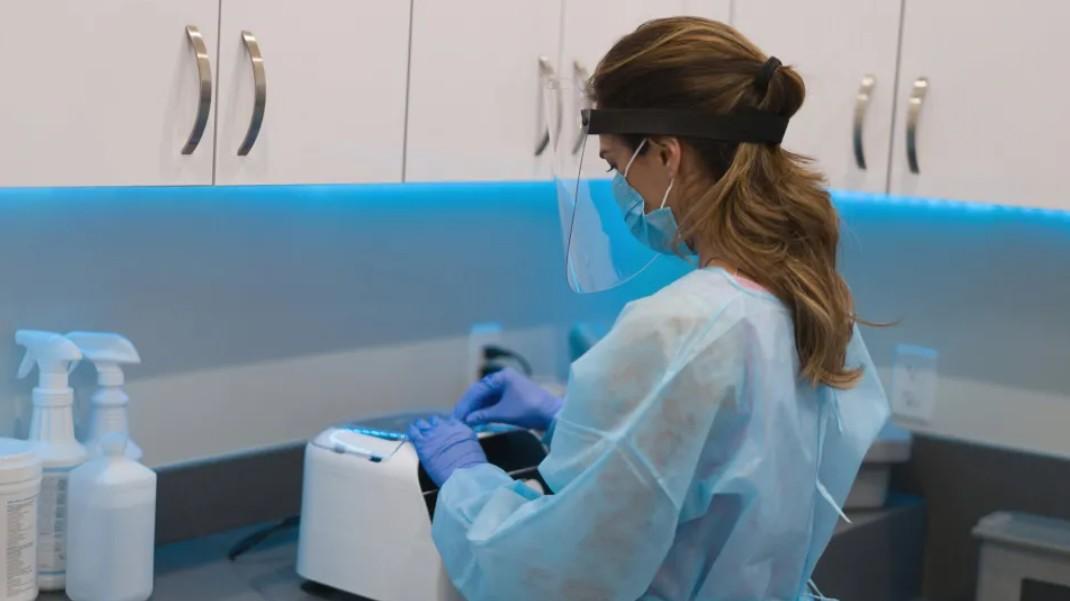
Automation is rapidly reshaping healthcare support services, and sterile processing departments are no exception. Robotic tray-assembly systems are increasingly used to improve accuracy, efficiency, and consistency in surgical instrument preparation. While these systems rely on advanced technology, they do not operate independently. Sterile Processing Department (SPD) technicians play a critical supervisory role in ensuring that automation supports, rather than replaces, safe and compliant practices.
As technology becomes more embedded in sterile services, the responsibilities of SPD technicians expand beyond manual assembly. Training pathways such as the Sterile Processing Technician Course prepare professionals to work confidently alongside automation, combining technical knowledge with clinical awareness and quality control.
Understanding Robotic Tray-Assembly Systems in SPD
Robotic tray-assembly systems are designed to automate the sorting, placement, and verification of surgical instruments within procedure-specific trays. Using barcodes, RFID tags, and programmed logic, these systems aim to reduce human error and speed up repetitive tasks. However, automation does not eliminate the need for skilled oversight.
SPD technicians must understand how these systems function, including their limitations. Robots follow programmed rules but cannot interpret clinical context or adapt judgment in unexpected situations. This makes human supervision essential. SPD techs ensure that robotic systems are loaded correctly, configured for the right procedures, and operating within validated parameters.
Education through the Sterile Processing Technician supports this understanding by grounding learners in both traditional sterile processing principles and emerging technologies, enabling them to supervise automation with confidence rather than uncertainty.
Supervising Accuracy and Instrument Integrity
One of the most important roles of an SPD tech in robotic tray assembly is overseeing accuracy and instrument integrity. While robots can place instruments quickly, they rely on correct data input and proper instrument recognition. SPD technicians verify that instruments are correctly identified, free from defects, and suitable for use.
SPD techs are responsible for intervening when systems flag inconsistencies or when visual inspections reveal issues that automation may miss. This includes detecting subtle damage, corrosion, or assembly errors that could compromise patient safety. Human judgment remains essential in these quality checks.
Managing Workflow and System Configuration
Robotic tray-assembly systems must be aligned with daily surgical schedules and case demands. SPD technicians play a central role in managing workflow by ensuring systems are programmed for the correct procedures and tray configurations. This requires close coordination with surgical services and accurate interpretation of preference cards.
When schedules change or urgent cases arise, SPD techs must adapt system workflows quickly. They decide when automation is appropriate and when manual intervention is required. This flexibility ensures that technology supports patient care rather than causing delays.
The Sterile Processing Technician Course equips learners with workflow management skills that translate directly into supervising automated systems. Understanding both operational priorities and technical constraints allows SPD techs to keep departments running smoothly in high-pressure environments.
Ensuring Compliance and Documentation
Regulatory compliance remains a core responsibility of SPD technicians, even in automated environments. Robotic systems generate data logs, but technicians must ensure that documentation meets accreditation and audit requirements. This includes validating that trays were assembled correctly, instruments were processed appropriately, and systems were functioning as intended.
SPD techs are responsible for reviewing system reports, addressing discrepancies, and maintaining traceability. Automation can improve documentation accuracy, but only when monitored by trained professionals who understand regulatory expectations.
Troubleshooting and Collaboration with Technical Teams
Robotic tray-assembly systems are complex, and technical issues are inevitable. SPD technicians serve as the first line of response when systems malfunction or produce errors. They identify whether issues stem from software, hardware, instrument input, or workflow configuration.
Effective supervision also involves collaboration with biomedical engineers, IT staff, and vendors. SPD techs must communicate clearly about operational needs and safety concerns, translating clinical requirements into technical solutions.
Supporting Training and Change Management
As robotic systems are introduced, SPD technicians often help train colleagues and support change management. They demonstrate correct system use, reinforce quality standards, and address concerns about automation replacing human roles. This leadership helps teams adapt smoothly to new technologies.
SPD techs also contribute feedback on system performance, helping departments refine processes over time. Their frontline experience ensures that automation aligns with real-world sterile processing demands rather than theoretical efficiency gains.
Professional development through the Sterile Processing Technician Course supports this leadership role. It prepares technicians to embrace innovation while safeguarding patient safety, reinforcing their position as essential professionals in modern healthcare environments.
The Evolving Role of SPD Technicians in Automated Environments
The integration of robotic tray-assembly systems does not diminish the importance of SPD technicians; it elevates it. Supervising automation requires deeper technical understanding, stronger quality oversight, and enhanced communication skills. SPD techs become stewards of both technology and patient safety.

 Arabic
 French
 Spanish
 Portuguese
 Deutsch
 Turkish
 Dutch
Dutch
 Italiano
 Russian
 Romaian
 Portuguese (Brazil)