
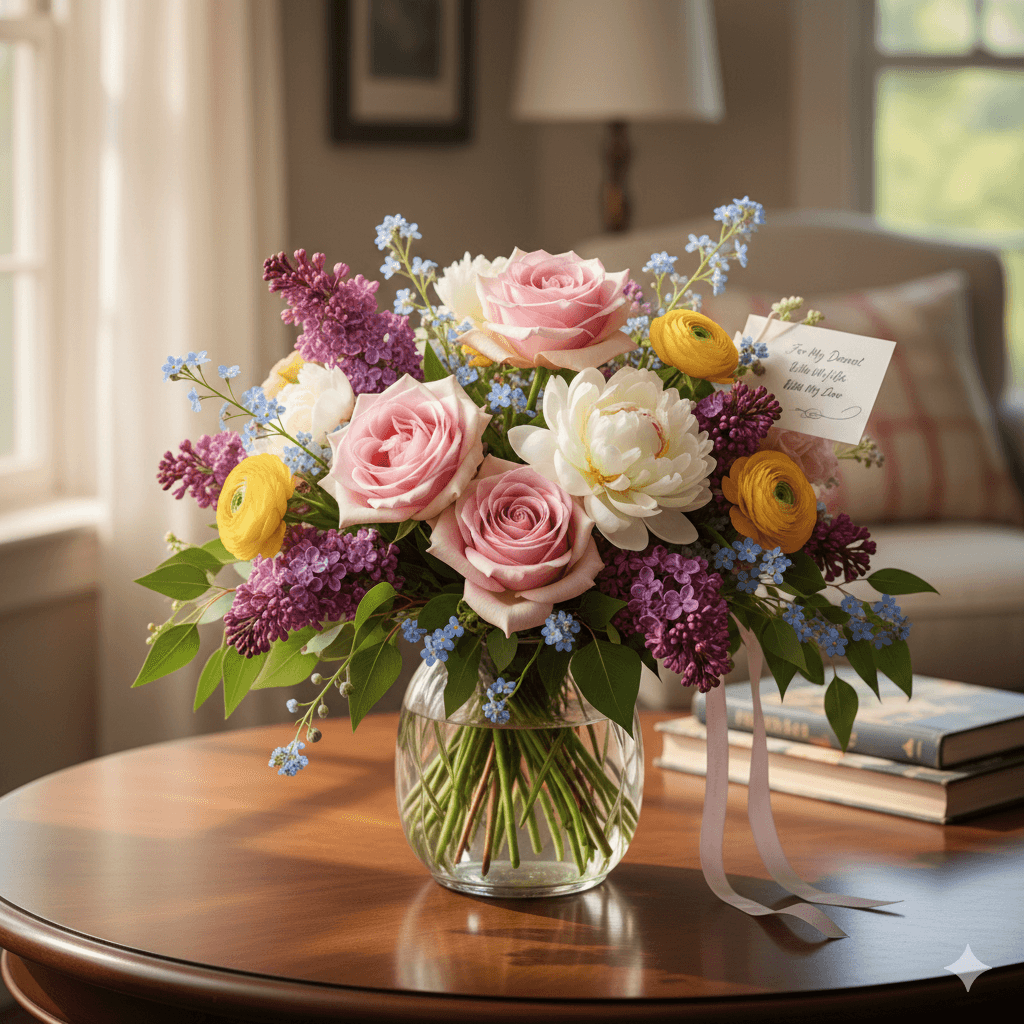
A wedding is a tapestry of traditions, rituals, and symbols that have been refined over centuries. Among these, Bridal Bouquets carry a unique blend of aesthetic charm and meaningful symbolism. They are not merely decorative; they tell a story about love, commitment, and personal values. From the type of flowers chosen to the way the bouquet is held, each detail holds significance that contributes to the deeper narrative of a wedding.
Understanding the traditions and meanings behind bridal bouquets allows couples to make informed choices, blending historical symbolism with personal expression. This connection between beauty and meaning is what gives the bouquet its enduring role in weddings.
The Historical Significance of Bridal Bouquets
The practice of carrying flowers in weddings dates back centuries, with roots in various cultures.
Ancient Traditions
In ancient Rome, brides carried bouquets of herbs and flowers believed to ward off evil spirits. These early bouquets symbolized fertility, protection, and happiness.
Medieval Influences
During the Middle Ages, bridal bouquets incorporated fragrant flowers and herbs, reflecting wealth and status. Flowers were also chosen for their symbolic meanings, often representing love, purity, or fidelity.
Symbolism in Modern Bridal Bouquets
Even today, the choice of flowers can carry deep meaning.
Flowers Representing Love and Commitment
Roses are a classic symbol of love, while lilies often signify purity and devotion. By choosing specific blooms, brides express emotions that transcend words.
Personal Expression Through Blooms
Modern brides often select flowers that hold personal significance—perhaps a favorite bloom, a family tradition, or a color that reflects personality.
Cultural Variations and Regional Traditions
Different cultures bring their own interpretations to bridal bouquets.
Western Traditions
In Western weddings, bouquets are often tied with ribbons and carried down the aisle. The style and shape may vary, but the bouquet is a central element of the ceremony.
Eastern Influences
In some Eastern cultures, bouquets may include specific flowers associated with prosperity, happiness, or longevity. Each choice enhances the cultural resonance of the ceremony.
Popular Bouquet Styles and Their Meanings
Bouquet design itself can communicate meaning beyond the flowers themselves.
Round Bouquets
Traditional and balanced, round bouquets convey harmony and unity, reflecting the bond between the couple.
Cascading Bouquets
These flowing designs symbolize abundance, growth, and the blossoming of a new life together.
Hand-Tied Bouquets
A more casual yet elegant style, hand-tied bouquets suggest natural beauty, personal freedom, and intimacy.
Color Symbolism in Bridal Bouquets
Colors carry emotional and symbolic weight, influencing the meaning of the bouquet.
White and Ivory for Purity
Classic choices represent innocence, fidelity, and new beginnings.
Red and Pink for Romance
Deep reds convey passion, while softer pinks suggest gentle love and admiration.
Pastels for Subtle Emotion
Muted tones reflect calmness, serenity, and timeless elegance.
Greenery for Balance and Renewal
Green leaves symbolize growth, fertility, and harmony, grounding the floral arrangement with a natural feel.
The Role of the Bouquet in Wedding Rituals
Bridal bouquets are involved in several ceremonial traditions that reinforce their symbolic power.
The Bouquet Toss
Originating in Europe, this ritual involves the bride tossing her bouquet to single guests, with the belief that the catcher will be the next to marry. It symbolizes luck and the sharing of happiness.
Incorporating Family Heirlooms
Some brides include flowers or trinkets from family members, linking generations and honoring heritage within the bouquet.
Ceremonial Placement
In certain ceremonies, bouquets are laid on altars or incorporated into wedding arches, reinforcing themes of love, unity, and celebration.
Choosing Meaningful Flowers for Your Bouquet
Selecting flowers with intention adds depth to the bridal look.
Researching Traditional Meanings
Understanding the historical or cultural symbolism of flowers allows brides to communicate messages subtly through their bouquet.
Combining Modern Preferences with Tradition
Blending favorite blooms with symbolic choices creates a bouquet that feels both personal and meaningful.
Bouquet Size, Shape, and Their Impact
The physical presence of a bouquet contributes to its overall meaning.
Proportional and Balanced Designs
Bouquets that complement the bride’s frame and dress convey harmony and poise.
Movement and Flow
Flowing or cascading bouquets suggest growth and continuity, while compact designs convey order and stability.
Integrating Bouquets Into the Wedding Aesthetic
A bouquet should feel cohesive within the overall theme.
Color Coordination
Matching or harmonizing bouquet colors with bridesmaids’ dresses, décor, or venue enhances visual unity.
Style Alignment
A rustic garden wedding may favor wildflower arrangements, while a formal ballroom event might require structured and symmetrical bouquets.
Bouquets as Personal Storytelling
Beyond traditions, bouquets tell personal stories.
Memories and Sentiment
Including flowers from meaningful places or seasons can reflect shared experiences or family connections.
Reflection of Personality
Bouquet design, color, and style offer insight into the bride’s character and taste.
Preservation and Lasting Significance
Bouquets often outlast the wedding day through preservation or photography.
Dried or Pressed Bouquets
Preserving blooms allows couples to keep a tangible piece of their wedding memories.
Photographic Legacy
Bouquets appear in countless photos, ensuring their significance and symbolism are remembered for years.
Contemporary Trends in Bridal Bouquets
While rooted in tradition, modern bridal bouquets embrace creativity.
Sustainable and Eco-Friendly Choices
Many brides choose locally sourced or seasonal flowers, reflecting environmental awareness and contemporary values.
Personalized Accents
Ribbons, charms, or sentimental tokens incorporated into bouquets enhance individuality and storytelling.
The Emotional Connection of Bridal Bouquets
Flowers evoke emotions beyond their beauty.
Comfort and Confidence
Carrying a bouquet that resonates emotionally gives the bride a sense of calm and confidence.
Connection With Guests
Symbolic floral choices subtly communicate values and emotions to attendees, enriching the communal experience.
Avoiding Common Mistakes
Selecting a bouquet requires careful thought.
Ignoring Meaning and Symbolism
Choosing flowers solely for appearance may miss an opportunity to add depth to the wedding story.
Clashing With Theme or Dress
Bouquet colors and styles should harmonize with other wedding elements to maintain elegance and coherence.
The Timeless Relevance of Bridal Bouquets
Even as weddings evolve, bouquets remain central.
A Link Between Past and Present
They bridge centuries of tradition with contemporary style, making the wedding feel both rooted and modern.
Completing the Bridal Experience
Without a bouquet, a bridal look can feel incomplete, lacking the symbolic and visual anchor that flowers provide.
Conclusion
Bridal bouquets are far more than decorative elements. They carry historical significance, cultural symbolism, and personal meaning. Every choice—from flower type and color to shape and size—contributes to the story the bride wishes to tell. By understanding the traditions and meanings behind bridal bouquets, couples can create arrangements that are not only beautiful but also deeply meaningful, blending elegance, emotion, and personal expression in one perfect touch.

 Arabic
 French
 Spanish
 Portuguese
 Deutsch
 Turkish
 Dutch
Dutch
 Italiano
 Russian
 Romaian
 Portuguese (Brazil)