
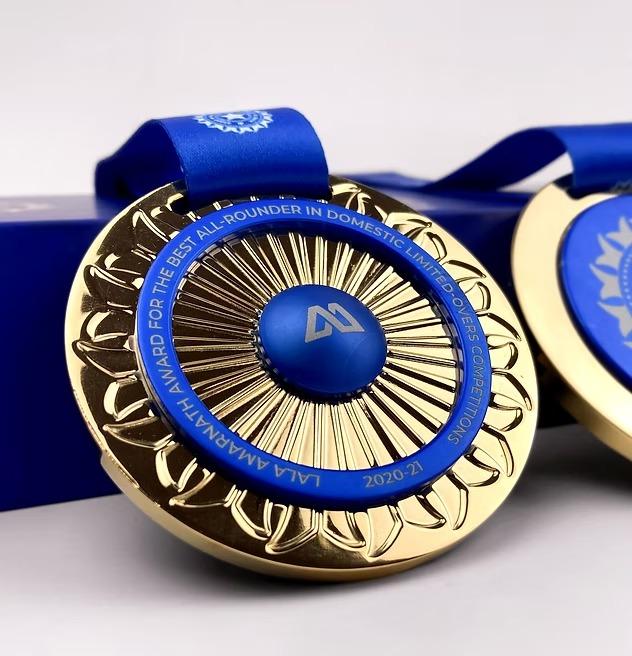
Recognition plays a central role in professional, academic, and cultural settings by validating effort and marking important milestones. While verbal appreciation matters, tangible recognition often leaves a deeper impact. Through creative trophy design, trophies become lasting reminders of achievement rather than momentary gestures.
However, not all trophies carry the same significance. Many follow standard formats that lack emotional relevance. Understanding what distinguishes a meaningful trophy from a generic one requires attention to design intention, symbolism, and execution.
Purpose as the Starting Point
Every meaningful trophy begins with a clear purpose. Before any design elements are introduced, it is essential to understand what the award is intended to recognize. Is it celebrating long-term dedication, leadership, innovation, teamwork, or a specific accomplishment?
Generic trophies often apply the same visual language to all forms of recognition, which can overlook the individuality of each achievement. Purpose-driven trophies are shaped by the nature of the recognition itself, allowing creative trophy design to reflect meaning and intent. When the purpose is clearly defined, the final design feels relevant and sincere rather than symbolic in name only.
Conceptual Thinking Over Surface Decoration
A visually appealing trophy does not automatically carry meaning. Meaningful trophies are guided by ideas rather than ornamentation. Conceptual thinking allows designers to translate abstract achievements into tangible forms.
For example, an award recognizing progress may feature upward movement or layered forms, while one honoring consistency may rely on balanced, grounded structures. These conceptual choices help recipients see their effort reflected in the design, strengthening emotional connection and long-term value.
Material Selection and Symbolism
Materials significantly influence how a trophy is perceived. Each material carries symbolic associations that contribute to meaning. Metal often conveys strength and permanence, glass suggests clarity and precision, wood reflects craftsmanship, and stone represents endurance.
Generic trophies frequently use materials based on availability rather than intention. Meaningful trophies select materials that align with the nature of the achievement and the values behind the recognition. Durability is also critical, as a trophy should remain visually and structurally intact over time.
Balance, Proportion, and Visual Integrity
A meaningful trophy demonstrates balance and proportion. Its form should feel stable, intentional, and visually complete. Proper proportions ensure the trophy appears refined rather than excessive or fragile.
Generic designs often rely on exaggerated shapes or excessive detailing. While attention-grabbing, such designs may feel dated quickly. Balanced designs prioritize clarity, allowing form and structure to support recognition rather than overshadow it.
Thoughtful Personalization
Personalization elevates a trophy from generic to meaningful. While names and dates are expected, deeper personalization can include subtle symbols, brief messages, or design elements tied to the recipient’s contribution.
These details signal that recognition was intentional. When personalization is handled with care, recipients are more likely to value and display the award with pride.
Cultural and Contextual Awareness
Trophy design should always consider context. Corporate recognitions often call for refined, understated designs, while cultural or creative ceremonies may allow greater expression. Academic awards may prioritize tradition, whereas industry-specific events might embrace contemporary forms.
Ignoring context can result in trophies that feel misplaced. Meaningful trophies respect the setting in which they are presented, ensuring recognition feels appropriate and well considered.
Craftsmanship and Attention to Detail
Craftsmanship plays a defining role in how trophies are perceived. Precision in engraving, finishing, and assembly reflects care in the recognition process. Small details such as smooth edges and consistent textures contribute significantly to overall quality.
Mass-produced trophies often lack this level of refinement. Thoughtfully crafted pieces communicate respect and intention. These details influence whether a trophy is proudly displayed or quietly set aside.
Longevity as a Design Principle
Meaningful trophies are designed with longevity in mind. While trends may shape short-term appeal, lasting recognition relies on timeless design principles. Neutral finishes, restrained detailing, and classic proportions help trophies maintain relevance over time.
Awards that age gracefully continue to hold emotional value. They serve as reminders of meaningful milestones rather than temporary acknowledgments tied to a specific moment.
Reflecting Values Through Strategic Choices
Trophies often act as subtle reflections of organizational values. Material choices, sourcing considerations, and design direction can communicate commitments such as responsibility, craftsmanship, or cultural respect.
Partnering with thoughtful curators can help organizations make these choices intentionally. Working with specialists who understand both aesthetic quality and symbolic meaning allows recognition pieces to feel authentic and relevant. Curated platforms such as ABDXclusiv support organizations in selecting or creating awards that align with the achievement being recognized and the values the organization seeks to represent.
The Role of Thoughtful Design
The distinction between a meaningful trophy and a generic one lies in intention. When recognition is approached deliberately, design becomes a language that communicates respect and appreciation. This is where creative trophy design plays an important role, transforming awards into lasting symbols rather than routine objects.
When approached thoughtfully, design ensures that recognition resonates beyond the ceremony, leaving recipients with a lasting sense of pride and acknowledgment.
Conclusion
A meaningful trophy is shaped not by size or decoration alone, but by intention, clarity of purpose, and design coherence. Purpose-driven concepts, symbolic material choices, balanced form, and thoughtful personalization all contribute to recognition that resonates. By considering craftsmanship, context, and longevity, organizations and events can move beyond generic awards to create trophies that truly honor achievement.
When design reflects meaning, recognition becomes an experience that endures long after the ceremony ends, embedding pride and respect into the narrative of success.
FAQs
Q1: What separates a meaningful trophy from a generic one?
Meaningful trophies reflect the purpose of the achievement through intentional design, symbolism, and personalization.
Q2: Why is material selection important?
Materials influence durability and carry symbolic meaning that reinforces the value of recognition.
Q3: Does personalization improve a trophy’s impact?
When done thoughtfully, personalization strengthens emotional connection and demonstrates genuine appreciation.
Q4: Should trophies follow current design trends?
Timeless design principles generally ensure longer relevance than trend-based approaches.
Q5: How does design shape recognition?
Well-considered design communicates respect, care, and significance, enhancing the overall recognition experience.

 Arabic
 French
 Spanish
 Portuguese
 Deutsch
 Turkish
 Dutch
Dutch
 Italiano
 Russian
 Romaian
 Portuguese (Brazil)